

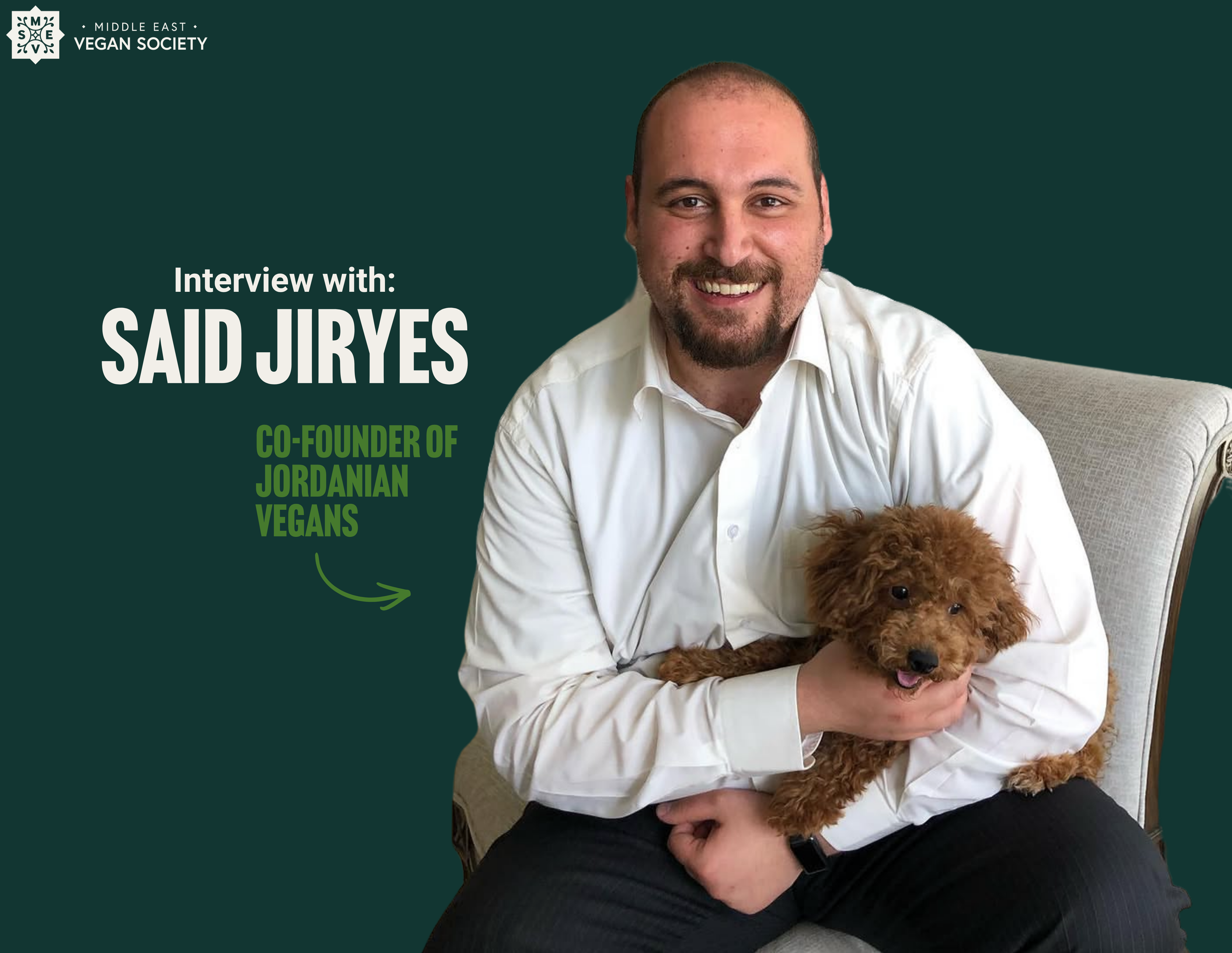
Interview With Said Jiryes, Co‑Founder of Jordanian Vegans
We had the chance to interview Said Jiryes, co‑founder of Jordanian Vegans, about the journey of building Jordan’s first dedicated vegan activist community. Alongside Dana Sawalha and Dalia Odeh, Said helped establish Jordanian Vegans in 2021, creating a platform for documentary screenings, protests, street outreach, and social media campaigns. Since then, their activism has expanded to initiatives such as Vegans for Palestine, participation in the Amman Vegan Festival 2024, and solidarity projects like the Flavours of Freedom e‑book fundraiser.
The Middle East's Plant-Based Heritage: A Culinary Legacy That Can Inspire the World
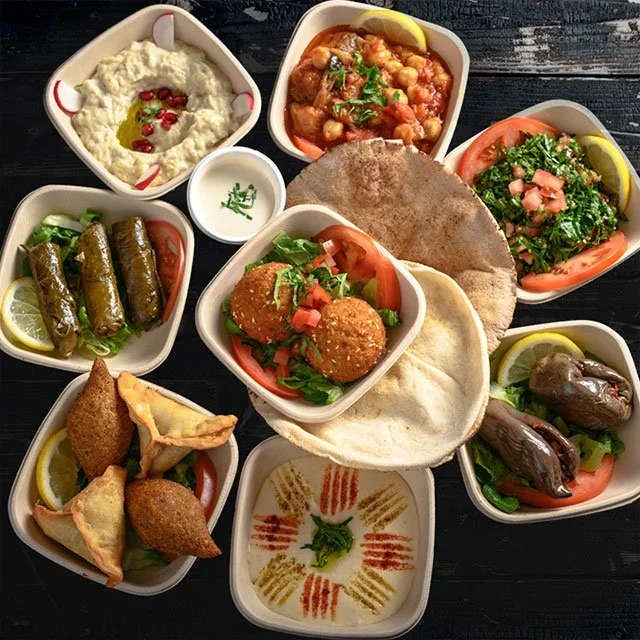
Plant-based meals are often presented as a modern response to today's environmental, health, and ethical challenges. Yet in countries such as Lebanon, Syria, Palestine, Jordan, Egypt, Iraq, and across North Africa, plant-based meals have been part of everyday life for generations. Long before terms such as "vegan" and "plant-based" entered mainstream conversations, families gathered around dishes such as Hummus, Tabbouleh, Baba Ghanoush, Falafel, Fattoush, Muhammara, Yalanji, Mujadara, Ful Medames, Koshari, Maqluba, Mahshi, Malfouf, Adas bi Hamod, Bamia, and Molokhia. Celebrations and festive occasions were also enriched by traditional sweets such as Meghli, Qamhiyeh, Maamoul, Maakaron, and Zlabia, demonstrating that plant-based traditions have long extended beyond the main course.

Animetrics Research: Different Messages? Evidence from 15 Countries on Muslim Consumer Perceptions of Halal, Animal Welfare, and Advocacy Strategies
Muslim consumers across fifteen countries share a commitment to halal and faith‑based food choices, yet their perceptions of animal welfare and plant‑forward diets vary widely. Animetrics’ 2026 study, “Different Messages? Evidence from 15 Countries”, explores these differences, offering evidence on how advocacy can be tailored to diverse cultural and religious contexts. By comparing responses across multiple regions, the research highlights both common ground and striking contrasts in how consumers interpret halal, ethics, and sustainability.

Exploring Morocco as a Vegan Traveler: What to Expect and How to Embrace Plant‑Based Flavors
Traveling with a vegan lifestyle often raises questions about what food will be available, how easy it will be to communicate dietary needs, and whether local traditions will align with plant‑based living. Morocco presents its own unique answers to these questions. What can vegan travelers expect when visiting the country, and how can they make the most of the journey while staying true to their values?

Lebanon’s Forgotten Victims: Wildlife and Companion Animals Facing Aggression and the Annihilation of Habitats
Aggression is often described in numbers: civilian deaths, casualties, destroyed homes, and displaced families. Yet behind these statistics lies another tragedy that rarely makes headlines: the suffering of animals. From forests burned to rubble to villages reduced to ruins, the toll of Israeli forces’ aggression in South Lebanon extends far beyond human communities. As WIRED Middle East reported this year, animals and habitats become casualties, damaged first, restored last, and almost never counted in the official record. In South Lebanon, the reality of aggression is visible in the annihilation of habitats and in the daily work of rescuers such as Kassem Haidar and Houssein Hamze, who risk their lives to save companion animals left behind, feed strays wandering ruined streets, and transport wounded beings to safety.
From Australia to the Middle East and North Africa: The Collapse and Cruelty of Live Sheep Exports
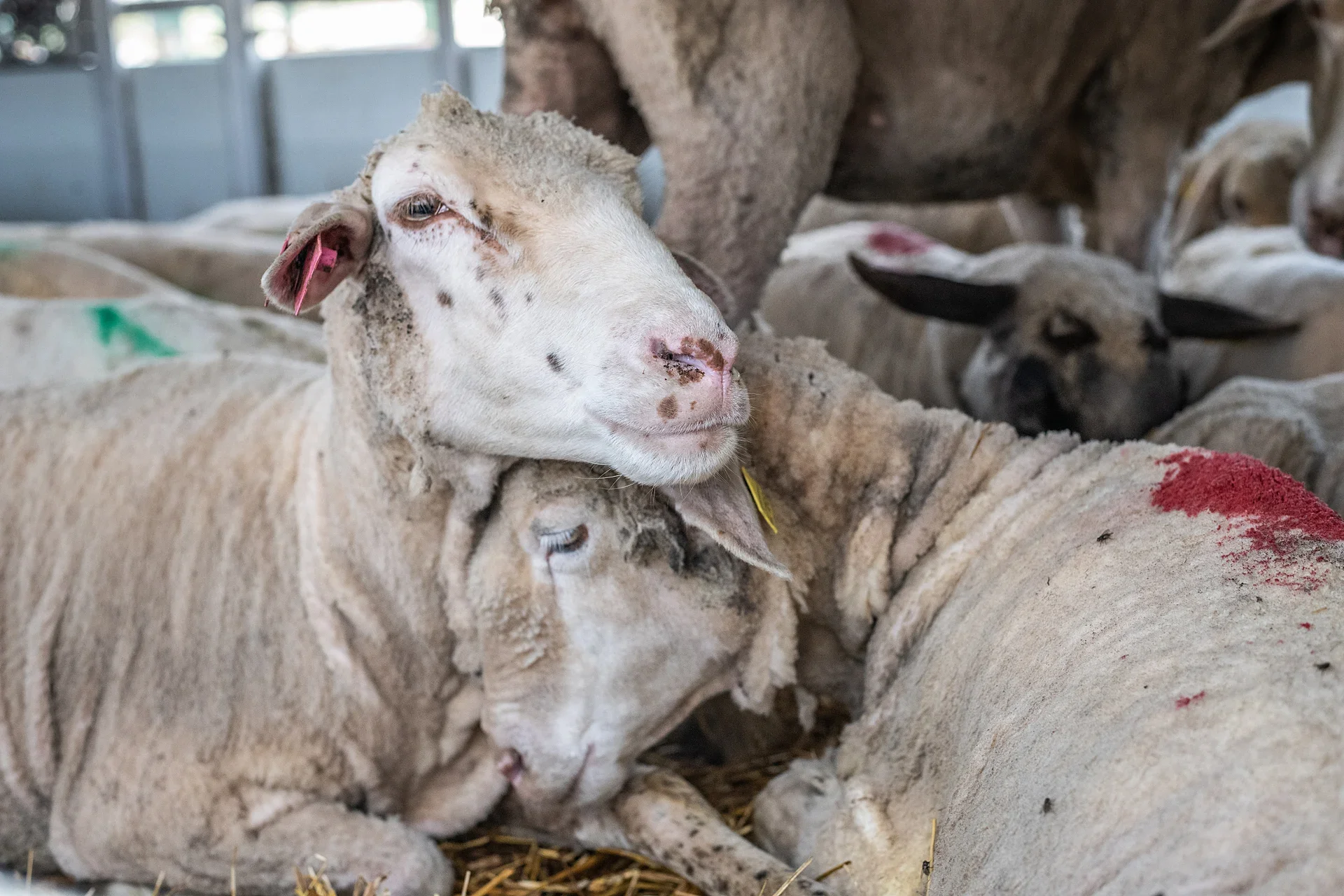
Over the years, numerous incidents have been recorded in the trade of live sheep from Australia to the Middle East and North Africa. Ships have sunk, animals have suffocated in extreme heat, and entire consignments have been rejected at ports only to face brutal slaughter. Together, these incidents expose a system in crisis, where animals continue to be crammed into ships, enduring fear, heat, and neglect, only for many to perish before reaching port. The collapse reflects both the instability of the trade and the mounting evidence of its cruelty.

Turkish Study Reveals How Men Justify Meat-Eating Through Psychological Defense Mechanisms
Recent research has examined why people continue to justify meat consumption despite its ethical, health, and environmental consequences. A Turkish study found that men are more likely than women to endorse meat-eating rationalizations, with cultural and religious traditions playing a significant role. These insights come amid a global push for alternative protein sources to support food security, highlighting how persistent psychological defenses stand in tension with broader efforts to reshape food systems. The report repeatedly references veganism as the contrasting position, showing how the visibility of plant-based alternatives intensifies cognitive dissonance by challenging these justifications directly.
No Moo: Saudi Arabia’s Plant-Based Milk Brand Making Waves
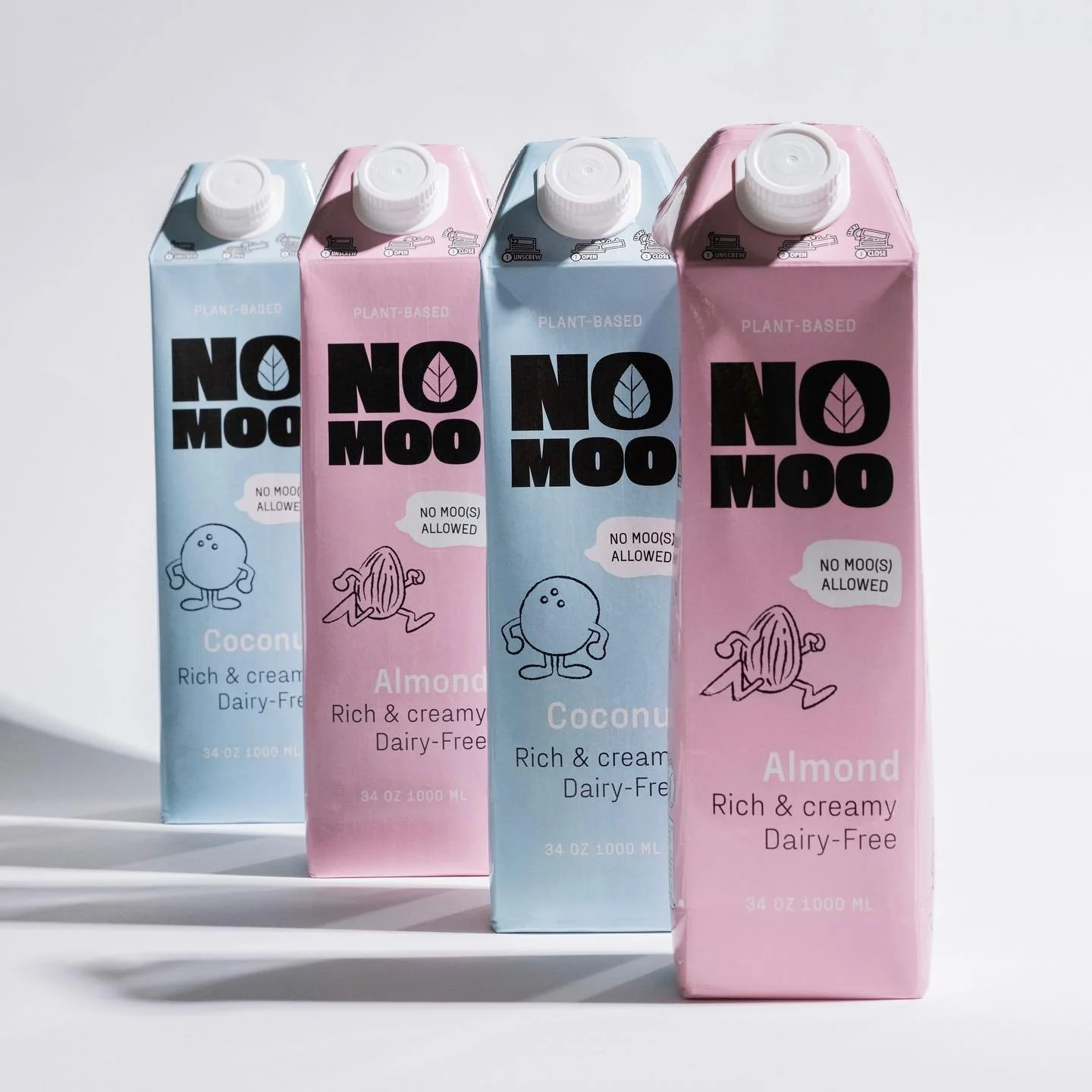
No Moo, a Saudi plant‑based milk brand founded in Alkhobar in 2022, has established a visible presence in cafés and supermarkets across the Kingdom. With its colorful cartons, eco‑friendly packaging, and barista‑quality texture, the brand is steadily expanding its reach. Its pistachio milk, in particular, offers a distinctive regional flavor that sets it apart from international competitors while appealing to health‑conscious consumers.
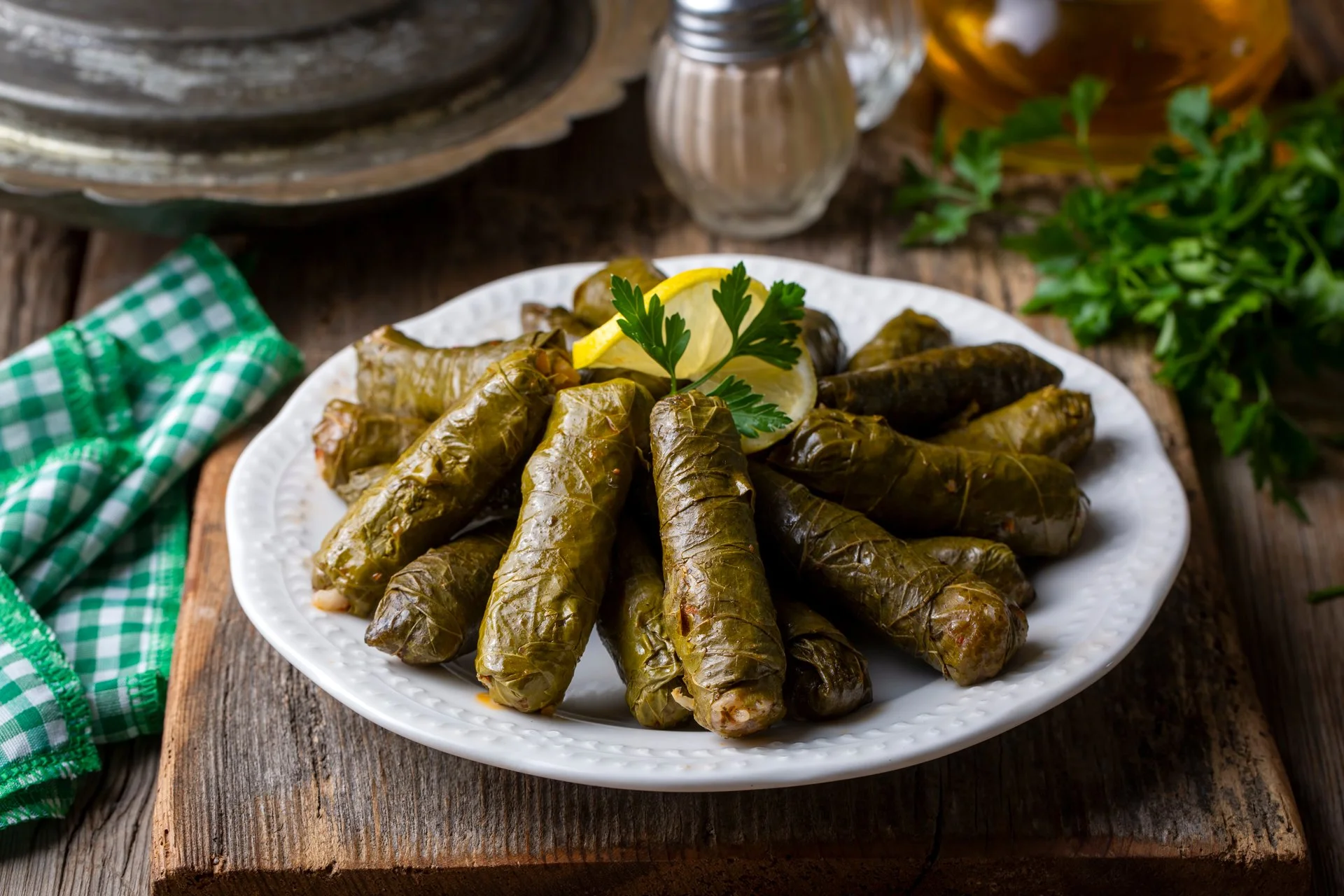
From the Levant to the World: The Story of Stuffed Grape Leaves
Stuffed grape leaves are more than a dish; they are a story of migration, tradition, and shared heritage. The practice of wrapping grains in vine leaves dates back to ancient Mediterranean communities, where leaves were used to protect food and add flavor. By the fifteenth century, Ottoman palace kitchens had refined this tradition into delicate rolls of rice and herbs wrapped in tender grape leaves, simmered gently with olive oil and lemon.
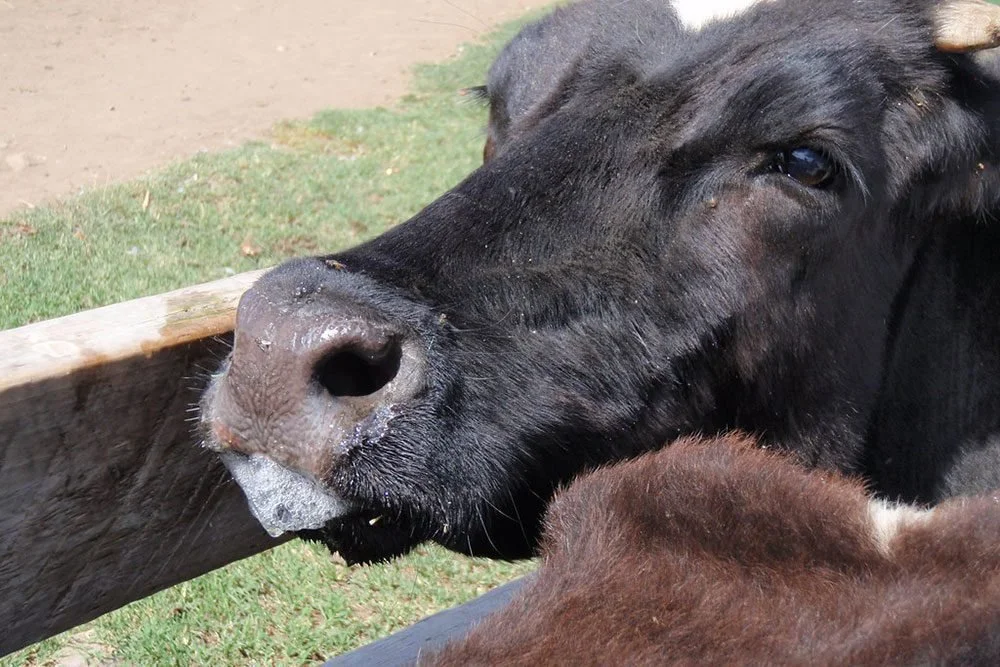
Foot and Mouth Disease in the Middle East: Governments Report Billions in Economic Losses, Cattle and Sheep Bear the Suffering
In 2025 and 2026, the Middle East experienced a significant rise in foot and mouth disease outbreaks, particularly with the SAT1 serotype spreading across several countries. Governments often report billions in economic losses, trade bans, and vaccination campaigns. Behind these figures, however, are cattle and sheep enduring painful blisters, weakness, and mass culling, realities that are rarely reflected in official statements.
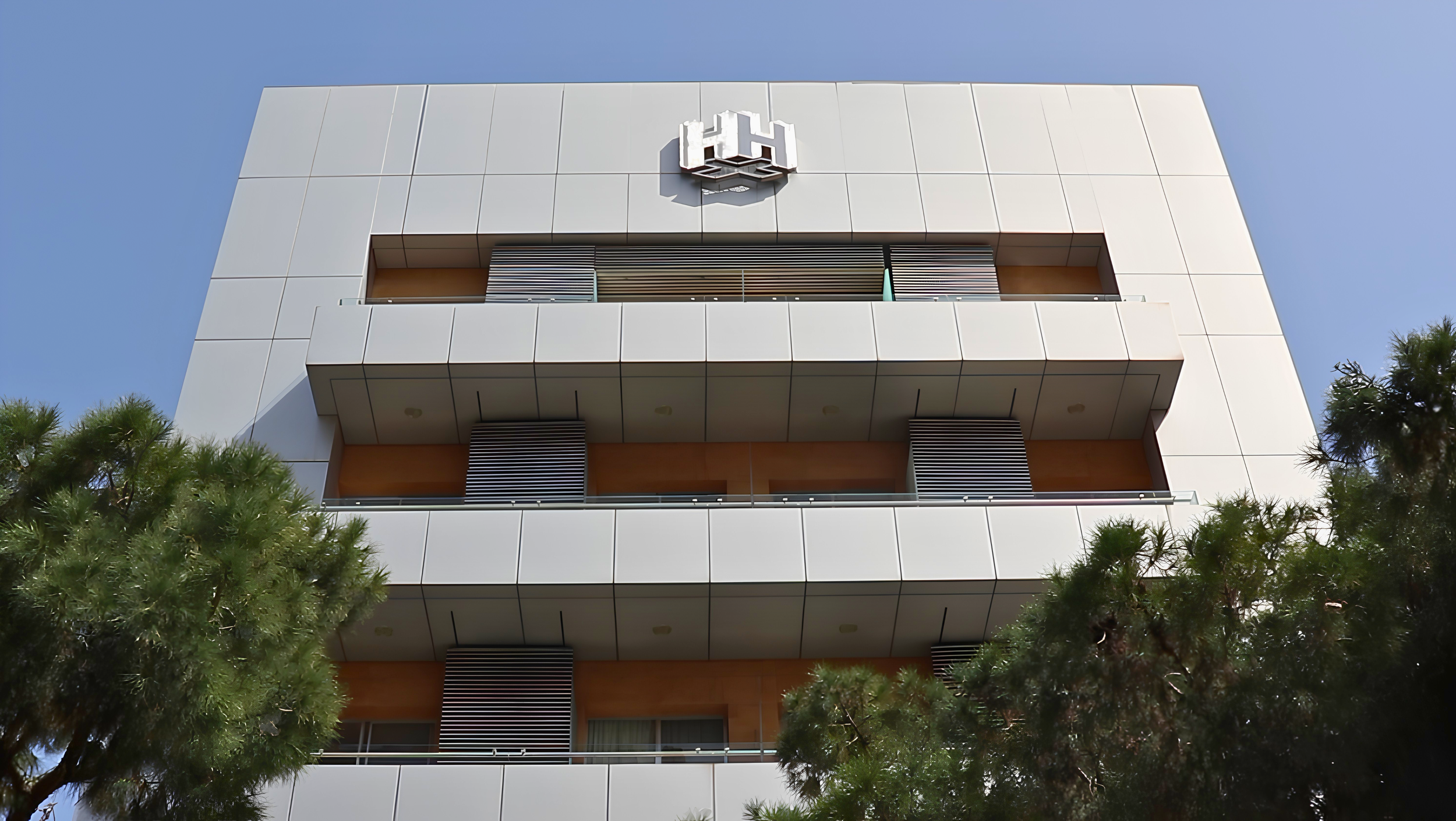
From Beirut, Hayek Hospital’s Vegan Vision Educates, Prevents, and Inspires the World
Hayek Hospital in Beirut, the world’s first fully vegan hospital, has become a hub for education and a living example of how healthcare can evolve beyond treating symptoms to tackling root causes. Within its walls, medicine and nutrition converge, offering not only care but also a vision of prevention and compassion. This commitment is reflected in initiatives that highlight the link between food and disease. On World Heart Day and World Day Of The Sick, the hospital reminds visitors and patients of the dangers of animal-based products. Such actions show that Hayek Hospital is not content with treating illness; it is determined to challenge its causes and inspire change.

Skinload, the UAE’s Homegrown Vegan Beauty Pioneer, Launches Inclusive Shades in Saudi Arabia
Skinload, the UAE-born vegan skincare and cosmetics brand, has announced its entry into Saudi Arabia along with the launch of five new BB cream shades designed to reflect the diverse complexions of Middle Eastern consumers. This milestone highlights the growing demand for ethical and inclusive beauty across the region. The new shades were shaped by customer feedback and represent a commitment to inclusivity, as highlighted in Skinload’s LinkedIn announcement, where the brand emphasized its mission to listen to its community and celebrate diversity in vegan beauty.

Saudi Arabia’s Non‑Dairy Ice Cream Industry: Growth Drivers and Future Potential
The non‑dairy ice cream industry in Saudi Arabia has developed into a distinct segment within the frozen dessert market. Once considered niche, it has now achieved measurable growth and continues to expand. According to the latest IndexBox report, the market has doubled its share since 2020 and is projected to maintain double‑digit growth rates over the next decade. This reflects rising consumer demand for dairy‑free alternatives, supported by demographic factors, health considerations, and evolving product innovation.

Animal‑Free and Vegan‑Labeled Supplements Gain Visibility in MENA Markets
Over the past five years, the dietary supplement market in the Middle East has undergone a noticeable transformation. According to Mintel, new product launches increasingly highlight “dietary‑compatible supplements,” those carrying vegan or no animal-ingredient claims. This steady rise reflects a broader shift in consumer expectations, where animal‑free and vegan‑labeled options are becoming more visible across the region’s pharmacies, e‑commerce platforms, and wellness stores.

Captivity Under Scrutiny: Reports of Neglect and Rescue in Zoos Across the Middle East and North Africa
Across the Middle East and North Africa, zoos and circuses have long been presented as places of leisure, education, or cultural tradition. From Gaza’s Rafah Zoo to Egypt’s Giza Zoo, from Lebanon’s roadside collections to Riyadh Zoo in Saudi Arabia, and from Al Ain Zoo in the UAE to Rabat Zoo in Morocco, these institutions are part of the region’s history. Yet recent rescues and investigations reveal a different reality: lions starving in Gaza, cubs like Sara suffering neglect in Lebanon, fatal attacks in Egyptian zoos and circuses, and disturbing reports during Giza Zoo’s 2026 reopening. These cases show that captivity itself creates harm, regardless of modernization or welfare claims, and that rescue remains the only meaningful response.
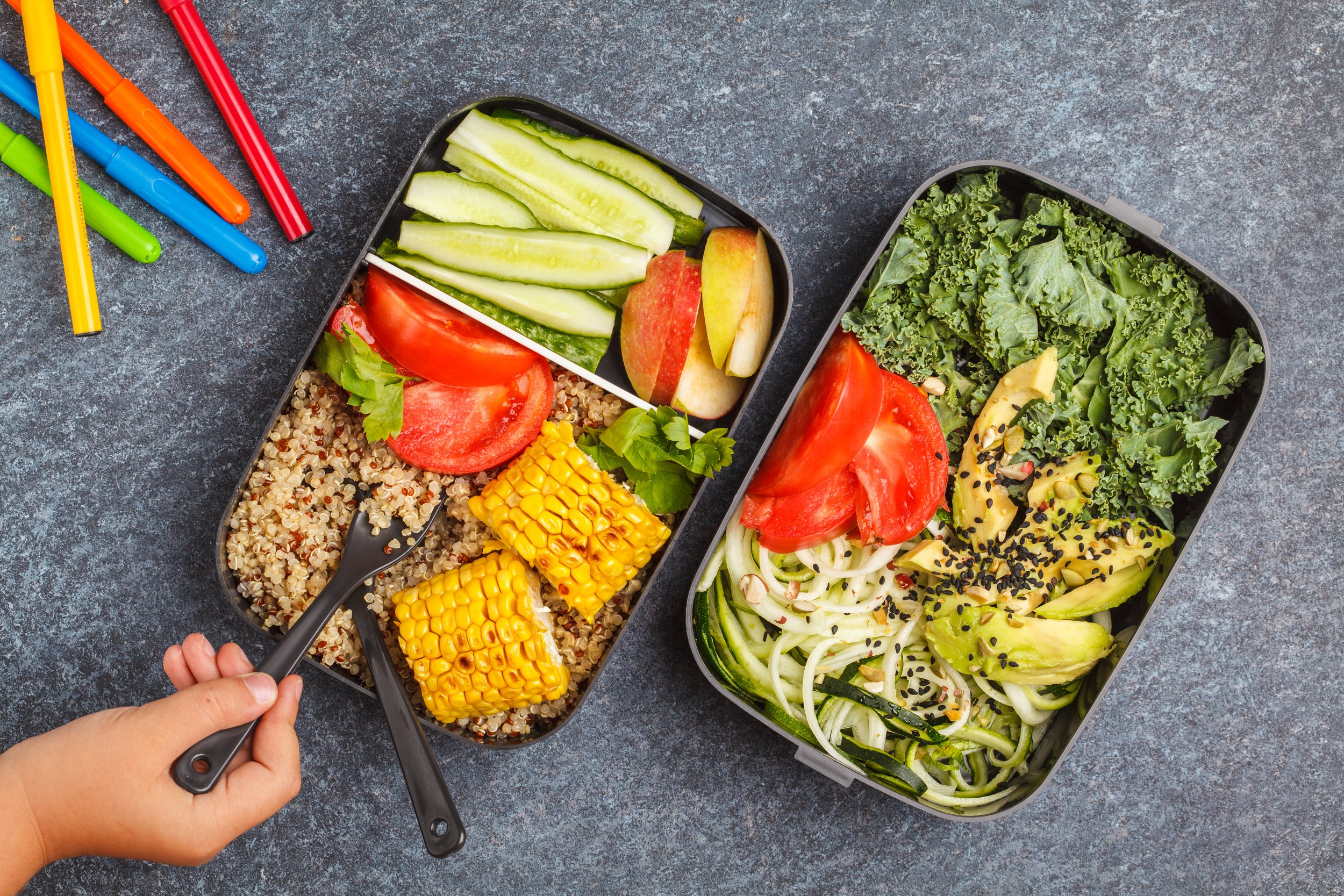
Plant‑Based Dining Normalized at Swiss International Scientific School Dubai
At the Swiss International Scientific School Dubai, one of the largest international schools in the UAE, plant‑based cuisine has become a normalized part of daily life. The catering provider, Swiss Canonica, operates a six‑week rotating international menu where vegan main dishes are featured every day, alongside starters, Chef’s Specials, and desserts.

Vegan Beauty Expands in the GCC: AXIS‑Y Introduces the “Climate of You” Philosophy
Vegan beauty is expanding across the Gulf, and AXIS‑Y’s arrival marks a defining moment in this movement. Certified as 100 percent vegan and cruelty‑free, the Korean skincare brand is bringing its signature “Climate of You” philosophy to Kuwait and Bahrain, two markets where demand for ethical cosmetics is rapidly growing. This philosophy, which emphasizes skincare tailored to environmental and lifestyle conditions, resonates strongly in the GCC’s unique climate and reflects a broader shift toward compassionate, plant‑based living in the region.

Saudi Arabia Vegan Sauces, Dressings and Spreads Market Outlook 2026–2035: A Taste of the Future
Saudi Arabia’s vegan sauces, dressings, and spreads market is entering a dynamic growth phase, with forecasts pointing to a high single‑digit to low double‑digit compound annual growth rate through 2035. Imports continue to dominate the sector, supplying between seventy and eighty‑five percent of consumption, while premium clean‑label products already capture a significant share of retail value, estimated at up to forty percent.
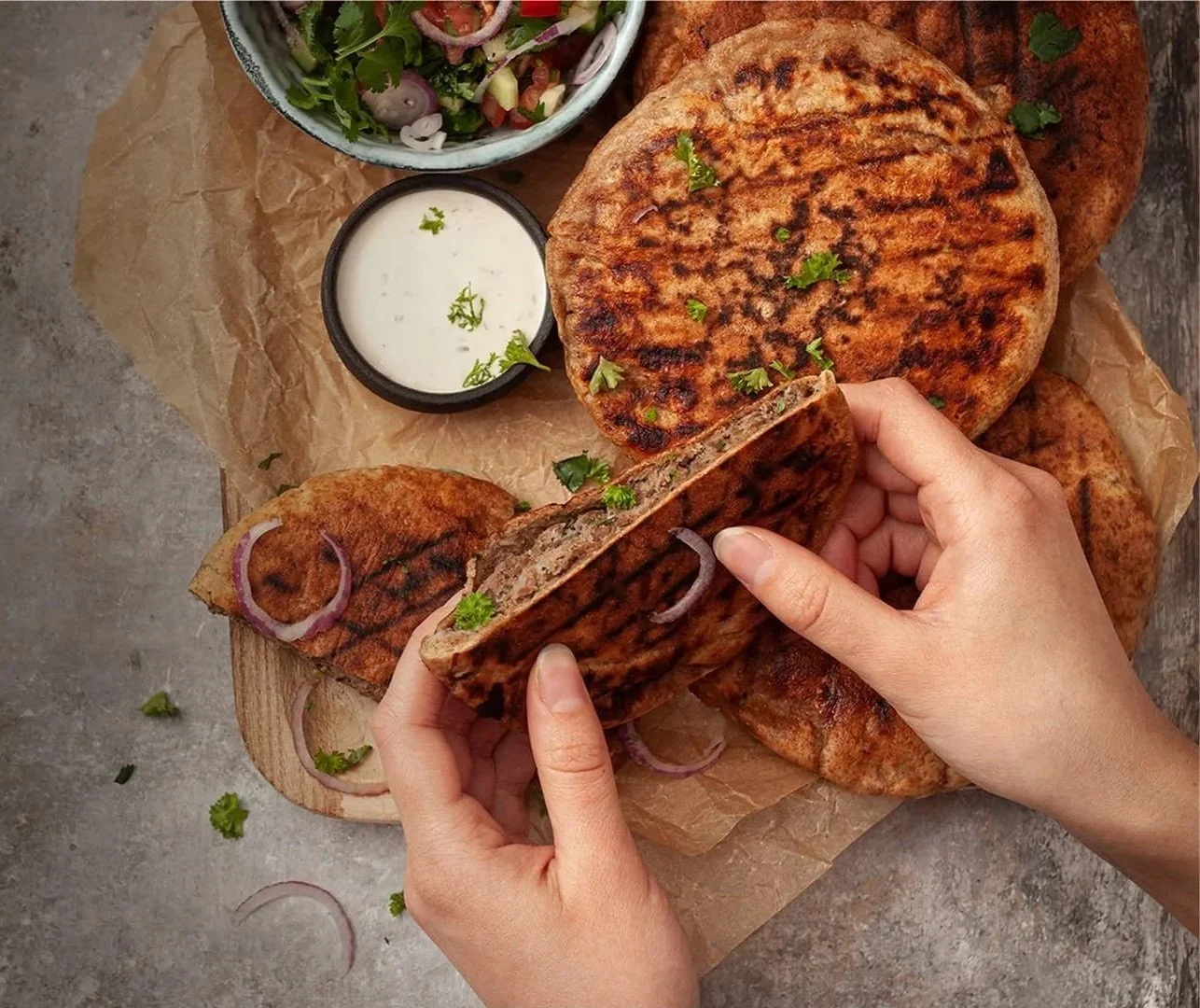
Growth Outlook 2026: Middle East & Africa Plant-Based Market at USD 390M, Rising to USD 560M by 2031
The Middle East and Africa market for plant-based meat and dairy alternatives is projected to reach USD 560.5 million by 2031, growing at a 6.21 percent CAGR. This trajectory reflects structural changes in food systems, government strategies, and rising health awareness across the region, with notable momentum in Saudi Arabia, the United Arab Emirates, and Egypt. Insights from the latest Mordor Intelligence report highlight how these dynamics are shaping the industry’s future.
Saudi Arabia’s Vegan Snack Market: Trends, Challenges, and Opportunities
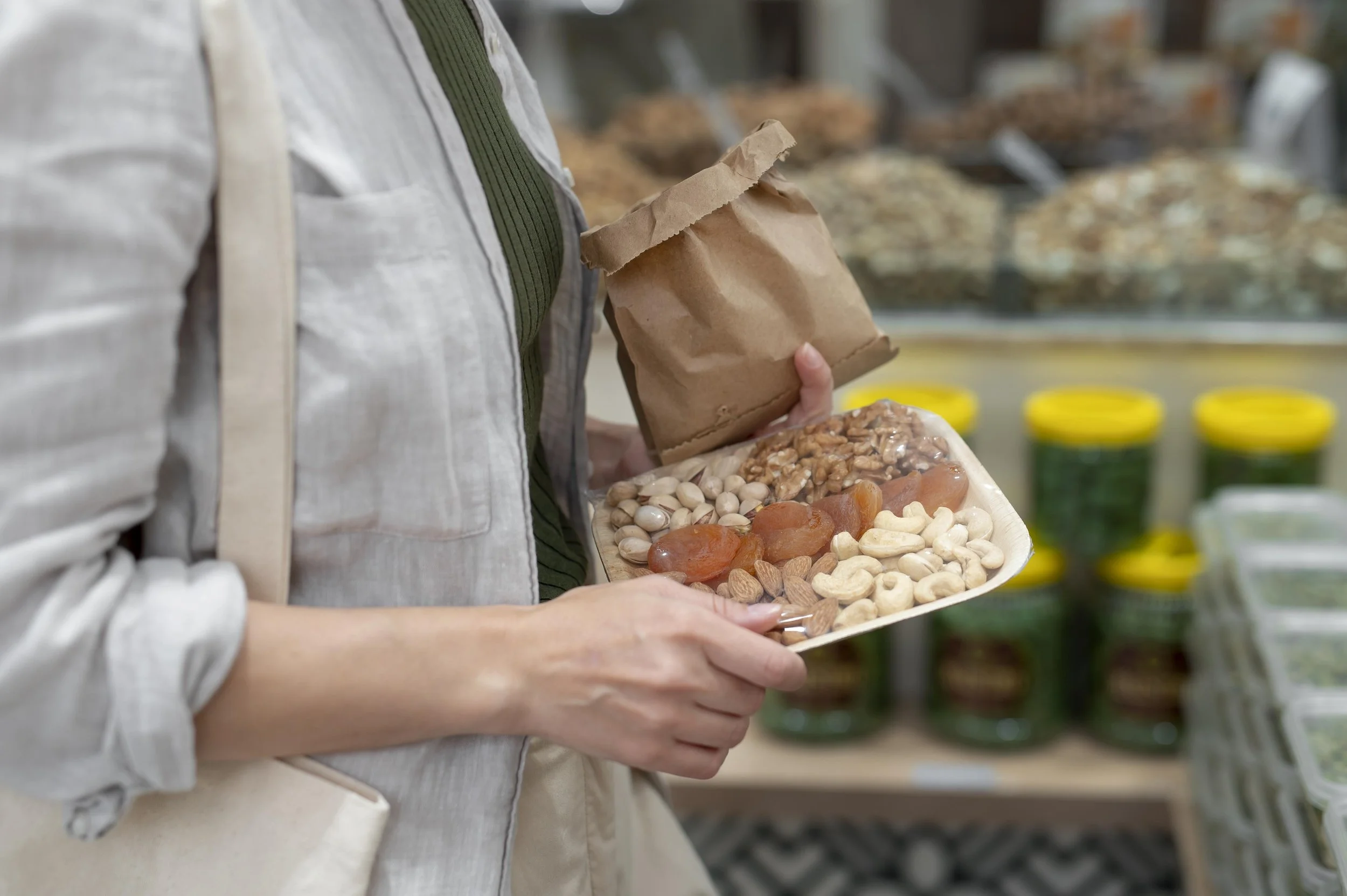
According to the latest market analysis by IndexBox, the Saudi Arabian vegan snack pack sector is expanding at an annual rate of 20 to 25 percent, making it one of the fastest‑growing categories in the region’s food industry. This growth is driven by a youthful population, increasing health awareness, and the rising demand for convenient plant‑based options. While imports currently account for the majority of market value, local producers are gradually establishing their presence and reshaping the competitive landscape.