


Animetrics Research: Different Messages? Evidence from 15 Countries on Muslim Consumer Perceptions of Halal, Animal Welfare, and Advocacy Strategies
Muslim consumers across fifteen countries share a commitment to halal and faith‑based food choices, yet their perceptions of animal welfare and plant‑forward diets vary widely. Animetrics’ 2026 study, “Different Messages? Evidence from 15 Countries”, explores these differences, offering evidence on how advocacy can be tailored to diverse cultural and religious contexts. By comparing responses across multiple regions, the research highlights both common ground and striking contrasts in how consumers interpret halal, ethics, and sustainability.

Turkish Study Reveals How Men Justify Meat-Eating Through Psychological Defense Mechanisms
Recent research has examined why people continue to justify meat consumption despite its ethical, health, and environmental consequences. A Turkish study found that men are more likely than women to endorse meat-eating rationalizations, with cultural and religious traditions playing a significant role. These insights come amid a global push for alternative protein sources to support food security, highlighting how persistent psychological defenses stand in tension with broader efforts to reshape food systems. The report repeatedly references veganism as the contrasting position, showing how the visibility of plant-based alternatives intensifies cognitive dissonance by challenging these justifications directly.

Saudi Arabia’s Non‑Dairy Ice Cream Industry: Growth Drivers and Future Potential
The non‑dairy ice cream industry in Saudi Arabia has developed into a distinct segment within the frozen dessert market. Once considered niche, it has now achieved measurable growth and continues to expand. According to the latest IndexBox report, the market has doubled its share since 2020 and is projected to maintain double‑digit growth rates over the next decade. This reflects rising consumer demand for dairy‑free alternatives, supported by demographic factors, health considerations, and evolving product innovation.

Animal‑Free and Vegan‑Labeled Supplements Gain Visibility in MENA Markets
Over the past five years, the dietary supplement market in the Middle East has undergone a noticeable transformation. According to Mintel, new product launches increasingly highlight “dietary‑compatible supplements,” those carrying vegan or no animal-ingredient claims. This steady rise reflects a broader shift in consumer expectations, where animal‑free and vegan‑labeled options are becoming more visible across the region’s pharmacies, e‑commerce platforms, and wellness stores.

Captivity Under Scrutiny: Reports of Neglect and Rescue in Zoos Across the Middle East and North Africa
Across the Middle East and North Africa, zoos and circuses have long been presented as places of leisure, education, or cultural tradition. From Gaza’s Rafah Zoo to Egypt’s Giza Zoo, from Lebanon’s roadside collections to Riyadh Zoo in Saudi Arabia, and from Al Ain Zoo in the UAE to Rabat Zoo in Morocco, these institutions are part of the region’s history. Yet recent rescues and investigations reveal a different reality: lions starving in Gaza, cubs like Sara suffering neglect in Lebanon, fatal attacks in Egyptian zoos and circuses, and disturbing reports during Giza Zoo’s 2026 reopening. These cases show that captivity itself creates harm, regardless of modernization or welfare claims, and that rescue remains the only meaningful response.

Saudi Arabia Vegan Sauces, Dressings and Spreads Market Outlook 2026–2035: A Taste of the Future
Saudi Arabia’s vegan sauces, dressings, and spreads market is entering a dynamic growth phase, with forecasts pointing to a high single‑digit to low double‑digit compound annual growth rate through 2035. Imports continue to dominate the sector, supplying between seventy and eighty‑five percent of consumption, while premium clean‑label products already capture a significant share of retail value, estimated at up to forty percent.
Growth Outlook 2026: Middle East & Africa Plant-Based Market at USD 390M, Rising to USD 560M by 2031
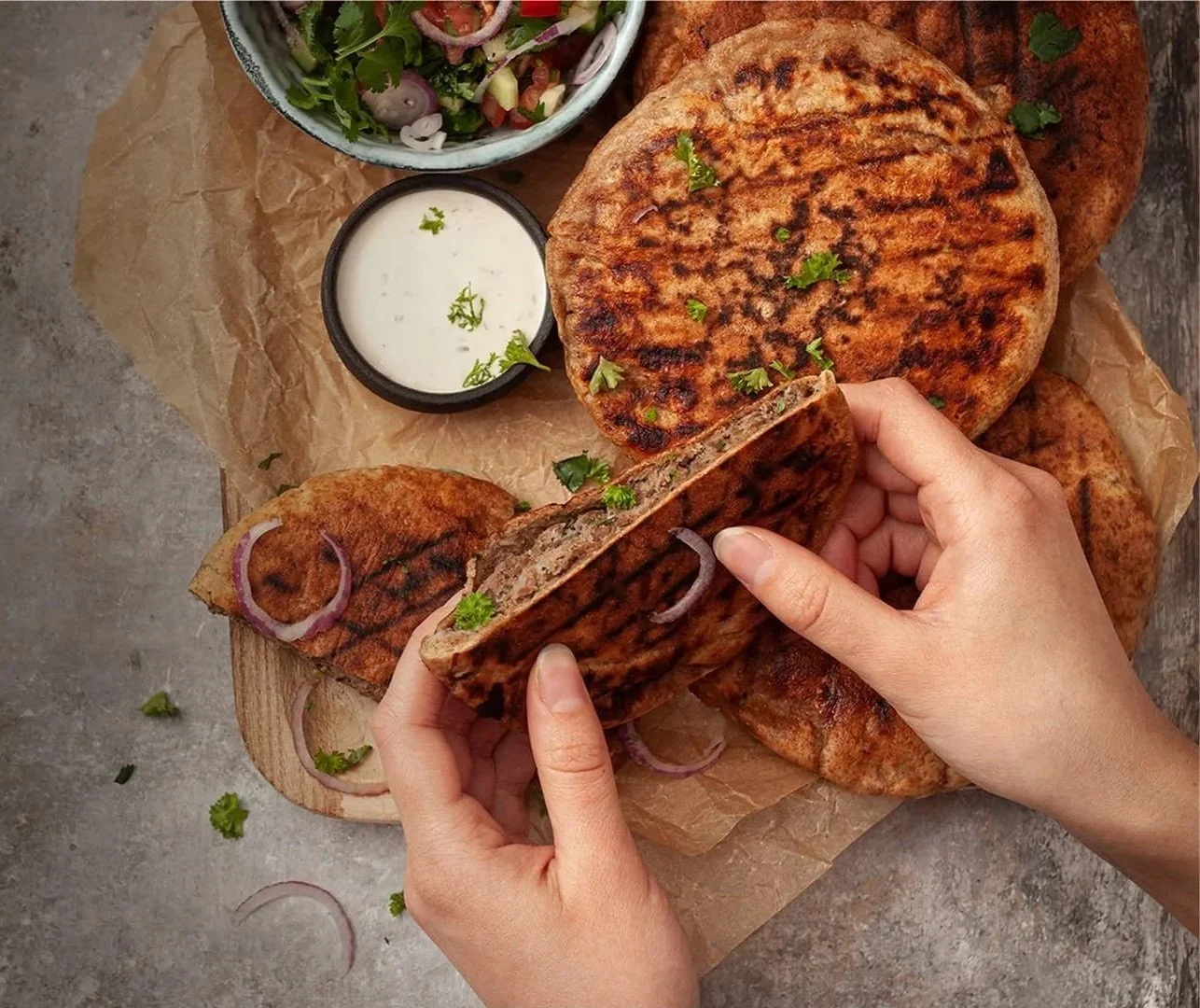
The Middle East and Africa market for plant-based meat and dairy alternatives is projected to reach USD 560.5 million by 2031, growing at a 6.21 percent CAGR. This trajectory reflects structural changes in food systems, government strategies, and rising health awareness across the region, with notable momentum in Saudi Arabia, the United Arab Emirates, and Egypt. Insights from the latest Mordor Intelligence report highlight how these dynamics are shaping the industry’s future.

Saudi Arabia’s Vegan Snack Market: Trends, Challenges, and Opportunities
According to the latest market analysis by IndexBox, the Saudi Arabian vegan snack pack sector is expanding at an annual rate of 20 to 25 percent, making it one of the fastest‑growing categories in the region’s food industry. This growth is driven by a youthful population, increasing health awareness, and the rising demand for convenient plant‑based options. While imports currently account for the majority of market value, local producers are gradually establishing their presence and reshaping the competitive landscape.

Saudi Arabia’s Vegan Collagen Sector: Navigating Demand and Barriers
The Saudi vegan collagen sector is entering a dynamic growth phase, with annual expansion projected at 15 to 20 percent through the early 2030s. This momentum is driven by the rise of plant‑based lifestyles and the growing influence of clean beauty trends, which have become central to consumer choices in the Kingdom. Young, health‑conscious consumers are shaping demand, particularly in urban centers such as Riyadh, Jeddah, and Dammam.

Lebanon’s Dairy Campaign, Health Risks, and the Rise of Plant‑Based Alternatives
The Lebanese Ministry of Agriculture has promoted local dairy production and encouraged its consumption through national campaigns. While these initiatives have sought to boost the sector, dairy consumption in Lebanon and across the wider region nevertheless raises serious health concerns. The realities of dairy production also raise ethical questions about animal treatment that contrast with the cheerful imagery used in promotional campaigns. In light of these implications, several Lebanese producers are now offering plant‑based cheese alternatives, some of which are V‑Label certified, providing consumers with safe, transparent options that directly address these concerns.
Fava Bean Protein Market for Falafel and Mezze Records 8.9% Growth, Signaling Global Opportunities for Plant‑Based Foods
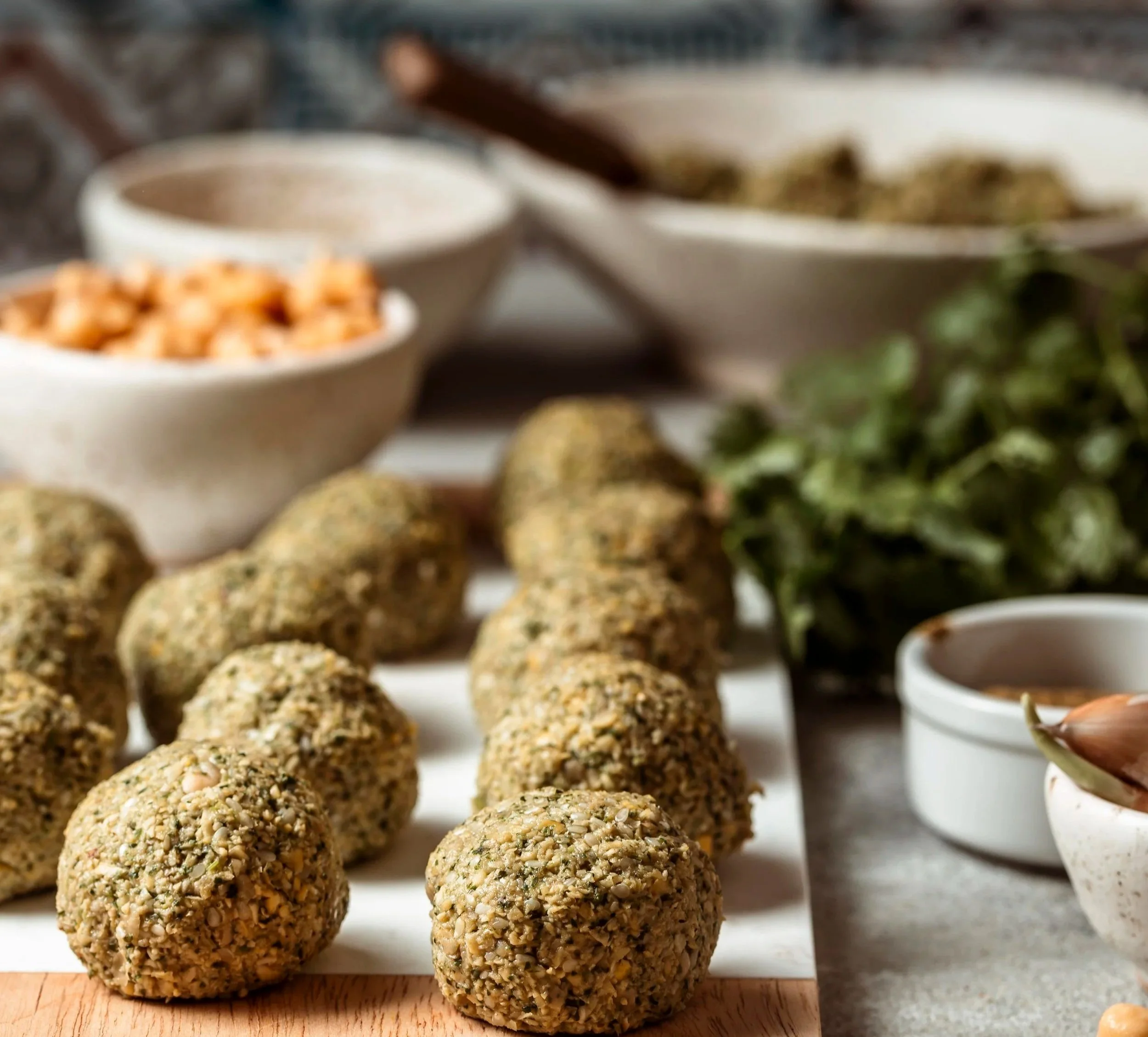
The global fava bean protein market for falafel and mezze is expanding rapidly. Industry reports project growth from USD 1.2 billion in 2026 to USD 2.8 billion by 2036, recording a compound annual growth rate of 8.9 percent. Traditional falafel protein currently holds the largest share at 38.2 percent, while quick service restaurants account for 45.3 percent of end user demand. Leading companies such as Ingredion, Roquette, Puris, AGT Food and Ingredients, Axiom Foods, and Vestkorn Milling are driving innovation in this sector.

Animetrics Research on Türkiye: What Muslim Consumers Know (and Don’t Know) About Animal Welfare in Halal Food Production
Halal food systems are central to Muslim life in Türkiye, shaping consumer trust, identity, and everyday choices. Certification is widely recognized, yet many consumers misunderstand how halal relates to the treatment of farmed animals. Animetrics’ 2026 study, “I Thought That Wasn’t Halal!”, explores these perceptions in depth. The research uncovers widespread misconceptions, limited awareness of industrial farming practices, and opportunities to align halal with compassion and humane treatment.

Turkey’s Lentil Protein Concentrate Market: Meeting the Rising Demand for Plant‑Based Protein Alternatives
Across the Middle East and globally, demand for plant‑based protein alternatives is accelerating. Health‑conscious consumers, shifting dietary preferences, and sustainability concerns are driving this transformation. Turkey, already a major producer of lentils, is now at the forefront of this movement by developing lentil protein concentrate, an ingredient that directly responds to the growing appetite for clean, plant‑based nutrition. According to the IndexBox report on Turkey’s lentil protein concentrate market, this sector is showing strong growth potential and is increasingly relevant to both domestic and international food systems.
Animetrics Research on Türkiye: Motivations and Barriers Toward Plant‑Forward Diets
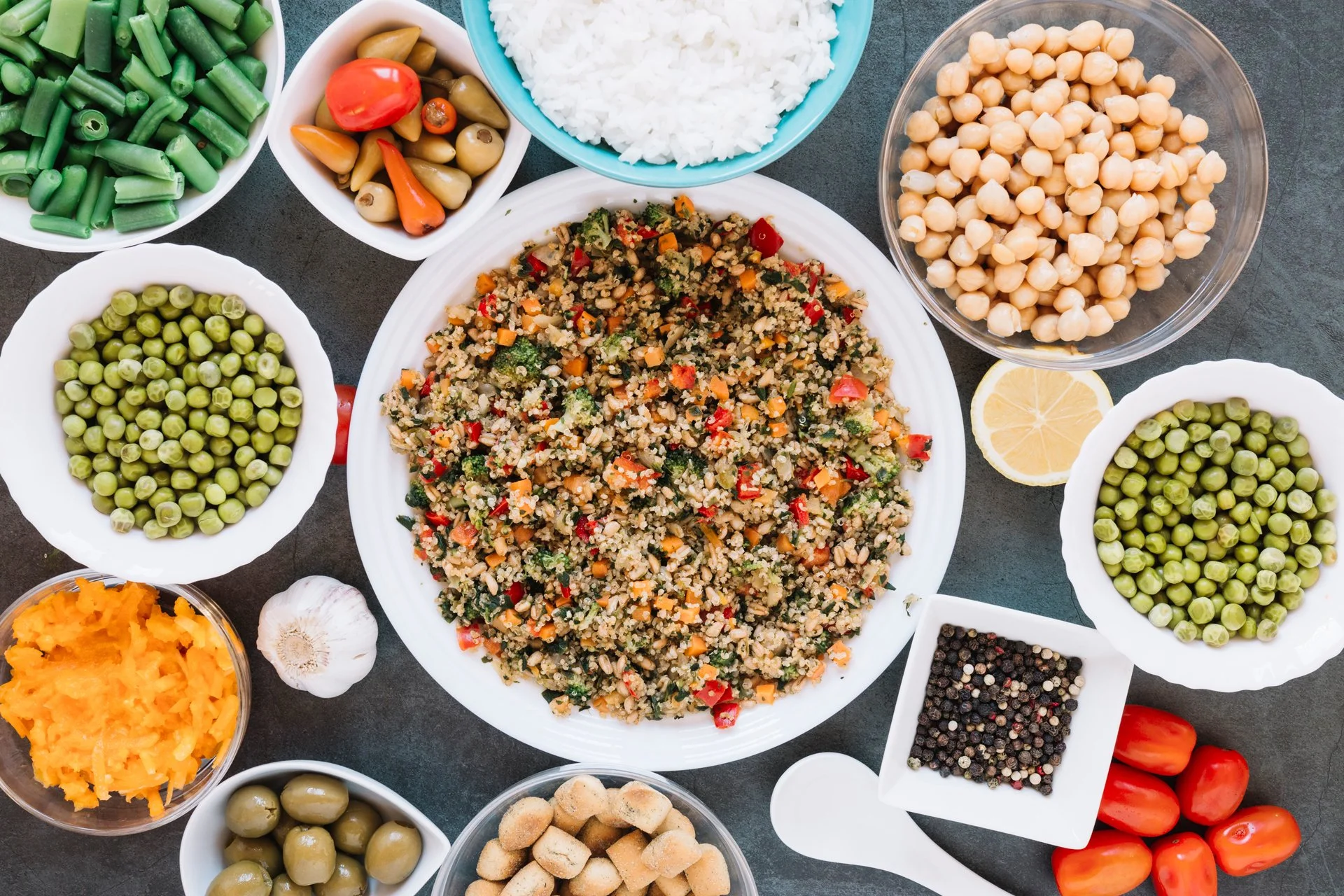
In 2026, Animetrics published its Türkiye Profile study, surveying 2,499 adults across the country to explore how consumers perceive plant‑forward diets, what motivates them to reduce animal consumption, and what barriers stand in the way. The report situates Türkiye within global debates on industrial animal agriculture, emphasizing how health, affordability, and cultural identity shape dietary choices. While meat continues to hold a central place in tradition and social identity, the study reveals a growing curiosity about plant‑based eating, particularly among younger and urban populations who are exposed to global food trends and sustainability narratives.

Lactose Intolerance and Dairy Alternatives in the Middle East: Market and Medical Perspectives
Lactose intolerance is one of the most prevalent food sensitivities in the Middle East, with recent peer‑reviewed studies in Saudi Arabia confirming prevalence rates ranging from 7% to over 45% depending on diagnostic methods. A cross‑sectional study in Riyadh found that nearly half of participants tested positive for lactose intolerance, highlighting the widespread nature of the condition. This medical evidence provides a clear explanation for the rapid expansion of plant‑based dairy alternatives across the region. The IndexBox report on the Middle East food intolerance products market further demonstrates how this health reality has translated into consumer demand, with dairy alternatives now representing the largest segment of intolerance‑related products.

Research by Animetrics on Kuwait: Protecting Farm Animals and Changing Consumer Attitudes
In 2026, Animetrics published its Kuwait study as part of a regional project exploring food systems and farmed animal welfare in Muslim‑majority societies. The Kuwait report provides insight into how cultural traditions, religious values, and modern consumer attitudes shape the country’s relationship with animals and food. Meat remains a central feature of Kuwaiti identity, symbolizing generosity, hospitality, and social belonging, especially during religious and family occasions. At the same time, the research shows that many consumers, particularly younger and urban respondents, are increasingly open to plant‑based diets and alternative proteins, viewing them as healthy and aligned with global sustainability efforts.

Vegan Cat Food in the Middle East: A Quiet Market Finding Its Place
Across the Middle East, vegan cat food remains a small but emerging niche. The market is concentrated in the United Arab Emirates, which accounts for nearly half of regional sales, while Saudi Arabia is showing the fastest growth. Qatar also records high per‑capita demand. Although vegan cat food represents less than one percent of total pet food sales, annual growth rates of fifteen to twenty percent highlight its steady expansion.

The Expansion of Plant‑Based Protein Beverages Across the Middle East: Market Outlook to 2035
The Middle East plant‑based protein beverages market is in an early high‑growth phase, with retail volumes projected to expand at a mid‑to‑high teens compound annual growth rate over the 2026–2035 period. This expansion is being driven by health‑conscious urban populations, rising disposable incomes, and a shift toward convenient, dairy‑free nutrition. According to the IndexBox report on the Middle East plant‑based protein beverages market, these trends highlight both the opportunities and challenges facing the sector.

Research by Animetrics on Qatar: Protecting Farmed Animals and Changing Consumer Attitudes
In 2026, Animetrics released its research on Qatar as part of a regional series examining food systems and animal welfare in Muslim‑majority societies. This study highlights how Qatar’s rapid development, cultural traditions, and global exposure are shaping consumer perspectives on food and the protection of farmed animals. By situating Qatar within the broader Gulf context, the research reveals both the persistence of hospitality rituals centered on meat and the growing openness among younger generations to plant‑based diets and welfare‑oriented practices.
Pathways to Protecting Farmed Animals in the United Arab Emirates: Consumer Perspectives and Shifting Food Systems
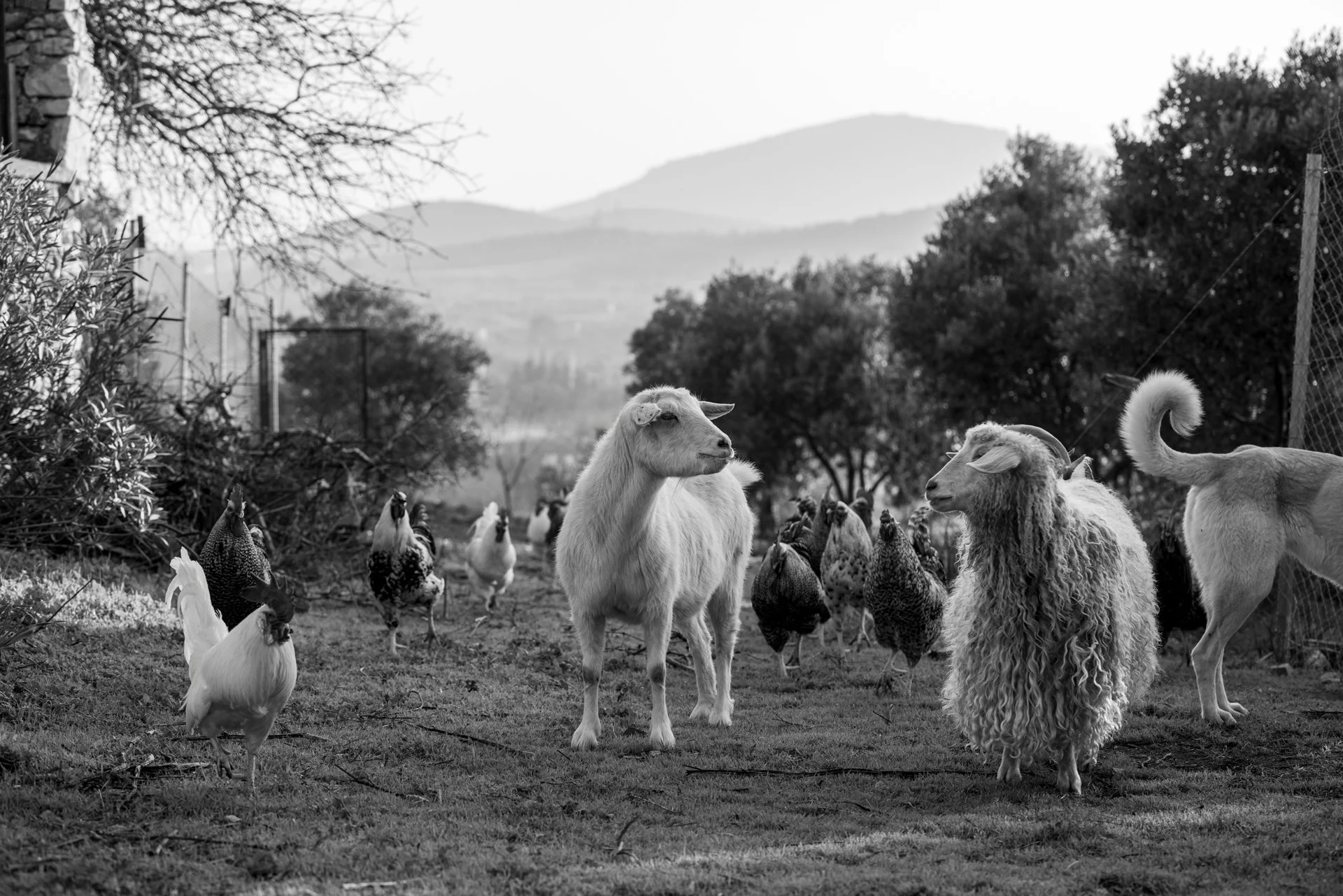
In early 2026, Animetrics released its study on the United Arab Emirates as part of a regional series examining food systems in Muslim‑majority contexts. Building on Lebanon, Saudi Arabia, and Türkiye, this project explores how affluence, rapid modernization, and religious traditions intersect in the Emirates to shape consumer attitudes toward food and animal welfare. The UAE’s position as a global hub of commerce and culture makes it a revealing case, where traditional practices remain central to identity while exposure to international trends and sustainability concerns is reshaping perspectives.