

Precision Fermentation: Unlocking Sustainable Protein Opportunities in the Middle East
Precision fermentation is rapidly becoming one of the most transformative technologies in the global food industry, and its relevance to the Middle East is particularly striking. By programming microorganisms to produce proteins identical to those found in milk, eggs, or collagen, this process offers a scalable, animal-free solution to meet rising demand for sustainable proteins. Globally, the market is projected to reach USD 57.1 billion by 2032, driven by advances in biotechnology and consumer interest in alternatives to traditional animal agriculture. For the Middle East, where food security and resource limitations are pressing concerns, precision fermentation represents not only a global trend but also a strategic opportunity to strengthen resilience and foster innovation.
Global Market Snapshot
Across Europe and North America, precision fermentation has already gained significant traction, with applications ranging from dairy proteins and egg substitutes to collagen and pharmaceutical compounds. Asia-Pacific is also emerging as a strong player, investing heavily in research and commercialization. These regions currently lead the market, but the Middle East presents a unique opportunity to adapt and benefit from this innovation.
Middle East Opportunities
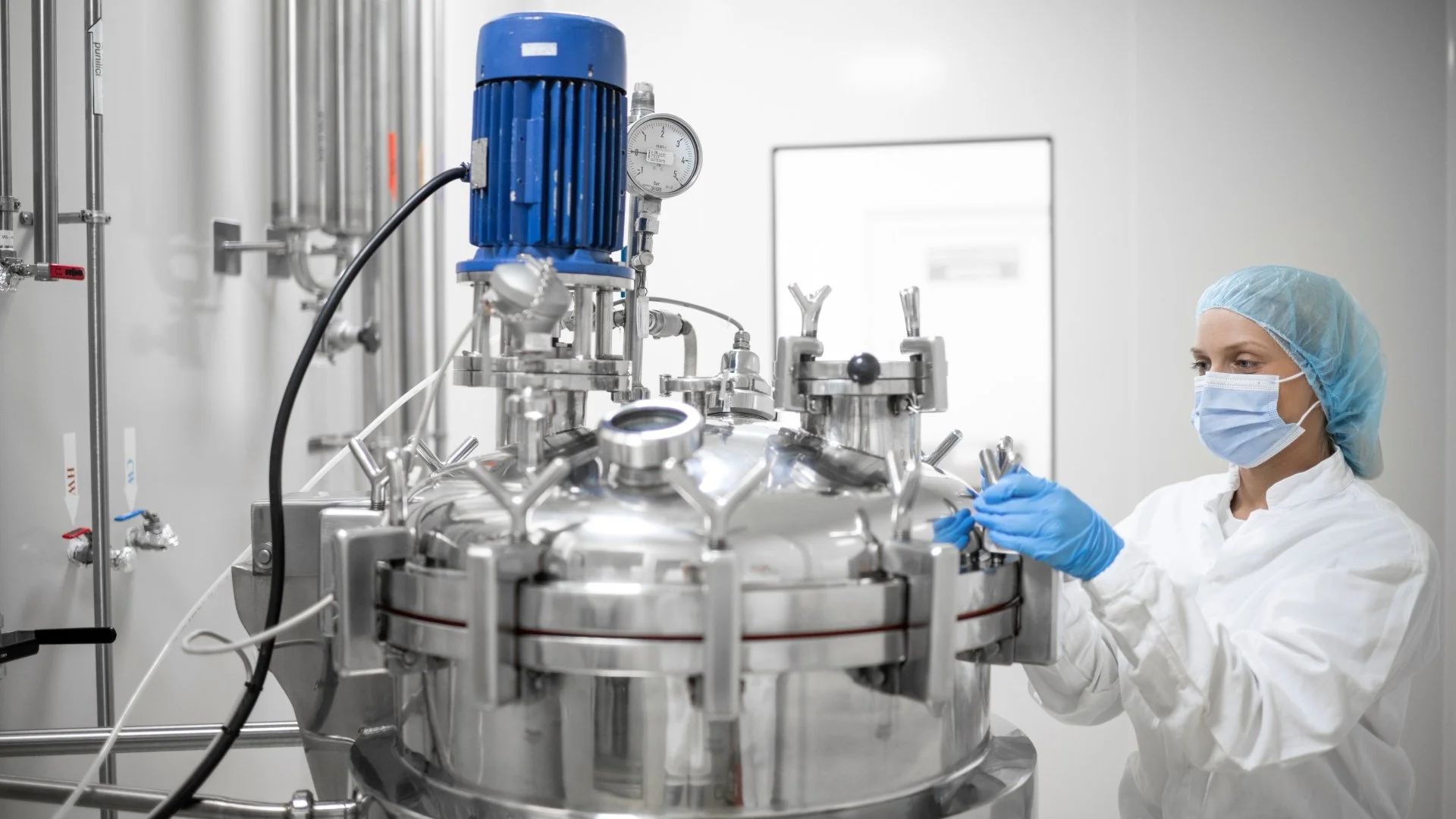
The Middle East faces distinct challenges in food production due to limited arable land and water resources, making food security a pressing concern. Precision fermentation offers a way to reduce reliance on imports by producing essential proteins locally in controlled bioreactors. Because the process does not involve animals, it aligns with sustainability goals and provides a pathway to innovation that is both ethical and practical.
Investment signals are already visible. Fonterra, for example, has invested in precision fermentation facilities in the UAE, demonstrating confidence in the region’s potential to become a hub for sustainable protein production. Academic institutions and startup incubators in Lebanon, the UAE, and Saudi Arabia are also well-positioned to explore research and commercialization, creating a fertile ground for regional leadership in this field.
Challenges Ahead
Despite the promise, several hurdles remain. Regulatory frameworks must be established to ensure safety, proper labeling, and consumer trust. Public awareness is another challenge, as many consumers are unfamiliar with how microbial fermentation can produce proteins identical to those found in animal products. Infrastructure is also a critical factor, since scaling bioreactors and supply chains requires significant investment and technical expertise.
For the Middle East, precision fermentation is more than a global trend; it is a strategic opportunity. By embracing this technology, the region can strengthen food security, attract investment, and position itself as a leader in sustainable innovation.