


Animal‑Free and Vegan‑Labeled Supplements Gain Visibility in MENA Markets
Over the past five years, the dietary supplement market in the Middle East has undergone a noticeable transformation. According to Mintel, new product launches increasingly highlight “dietary‑compatible supplements,” those carrying vegan or no animal-ingredient claims. This steady rise reflects a broader shift in consumer expectations, where animal‑free and vegan‑labeled options are becoming more visible across the region’s pharmacies, e‑commerce platforms, and wellness stores.

Saudi Arabia Vegan Sauces, Dressings and Spreads Market Outlook 2026–2035: A Taste of the Future
Saudi Arabia’s vegan sauces, dressings, and spreads market is entering a dynamic growth phase, with forecasts pointing to a high single‑digit to low double‑digit compound annual growth rate through 2035. Imports continue to dominate the sector, supplying between seventy and eighty‑five percent of consumption, while premium clean‑label products already capture a significant share of retail value, estimated at up to forty percent.
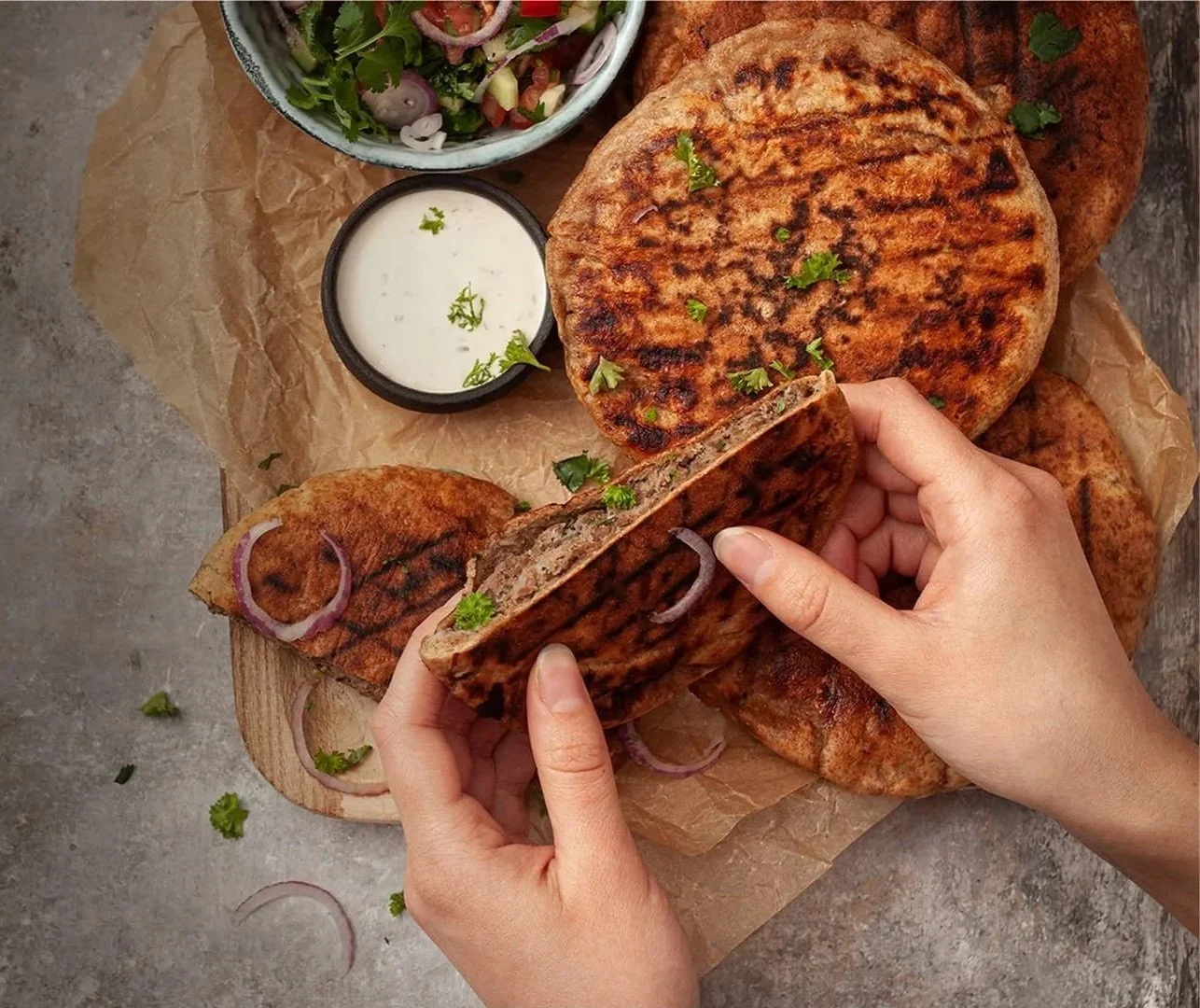
Growth Outlook 2026: Middle East & Africa Plant-Based Market at USD 390M, Rising to USD 560M by 2031
The Middle East and Africa market for plant-based meat and dairy alternatives is projected to reach USD 560.5 million by 2031, growing at a 6.21 percent CAGR. This trajectory reflects structural changes in food systems, government strategies, and rising health awareness across the region, with notable momentum in Saudi Arabia, the United Arab Emirates, and Egypt. Insights from the latest Mordor Intelligence report highlight how these dynamics are shaping the industry’s future.

Saudi Arabia’s Vegan Collagen Sector: Navigating Demand and Barriers
The Saudi vegan collagen sector is entering a dynamic growth phase, with annual expansion projected at 15 to 20 percent through the early 2030s. This momentum is driven by the rise of plant‑based lifestyles and the growing influence of clean beauty trends, which have become central to consumer choices in the Kingdom. Young, health‑conscious consumers are shaping demand, particularly in urban centers such as Riyadh, Jeddah, and Dammam.

Vegan Cat Food in the Middle East: A Quiet Market Finding Its Place
Across the Middle East, vegan cat food remains a small but emerging niche. The market is concentrated in the United Arab Emirates, which accounts for nearly half of regional sales, while Saudi Arabia is showing the fastest growth. Qatar also records high per‑capita demand. Although vegan cat food represents less than one percent of total pet food sales, annual growth rates of fifteen to twenty percent highlight its steady expansion.

Research by Animetrics on Qatar: Protecting Farmed Animals and Changing Consumer Attitudes
In 2026, Animetrics released its research on Qatar as part of a regional series examining food systems and animal welfare in Muslim‑majority societies. This study highlights how Qatar’s rapid development, cultural traditions, and global exposure are shaping consumer perspectives on food and the protection of farmed animals. By situating Qatar within the broader Gulf context, the research reveals both the persistence of hospitality rituals centered on meat and the growing openness among younger generations to plant‑based diets and welfare‑oriented practices.
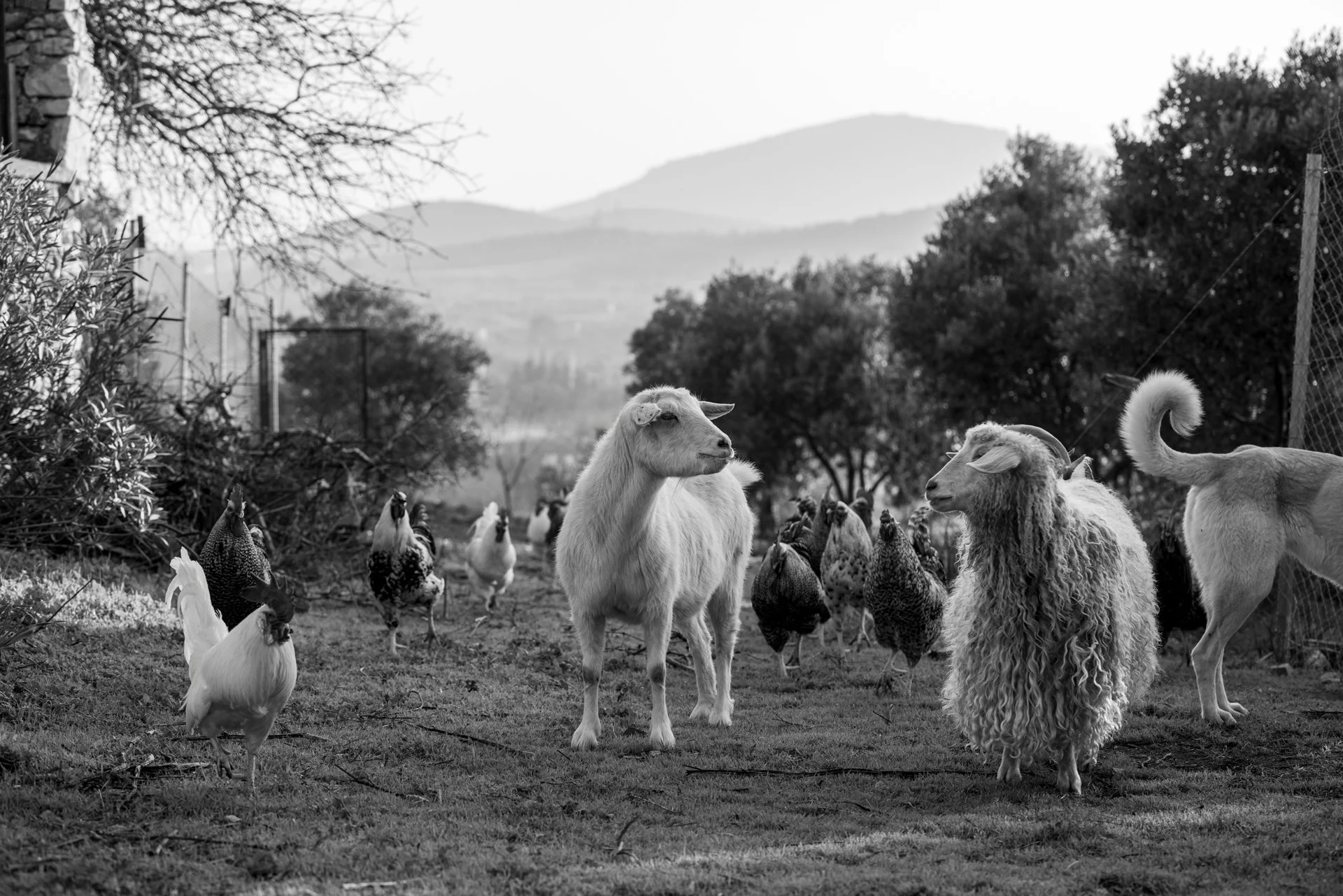
Pathways to Protecting Farmed Animals in the United Arab Emirates: Consumer Perspectives and Shifting Food Systems
In early 2026, Animetrics released its study on the United Arab Emirates as part of a regional series examining food systems in Muslim‑majority contexts. Building on Lebanon, Saudi Arabia, and Türkiye, this project explores how affluence, rapid modernization, and religious traditions intersect in the Emirates to shape consumer attitudes toward food and animal welfare. The UAE’s position as a global hub of commerce and culture makes it a revealing case, where traditional practices remain central to identity while exposure to international trends and sustainability concerns is reshaping perspectives.

Almond Milk Rising: Market Momentum and Consumer Trends Across the Middle East
The almond milk market in the Middle East has expanded rapidly in recent years, reflecting both changing consumer preferences and broader lifestyle shifts. In 2026, the market is valued between USD 320 and 380 million, with forecasts projecting growth to USD 1.1–1.4 billion by 2035. This represents a compound annual growth rate of 12–14%, underscoring almond milk’s position as a leading product within the plant-based beverage category.
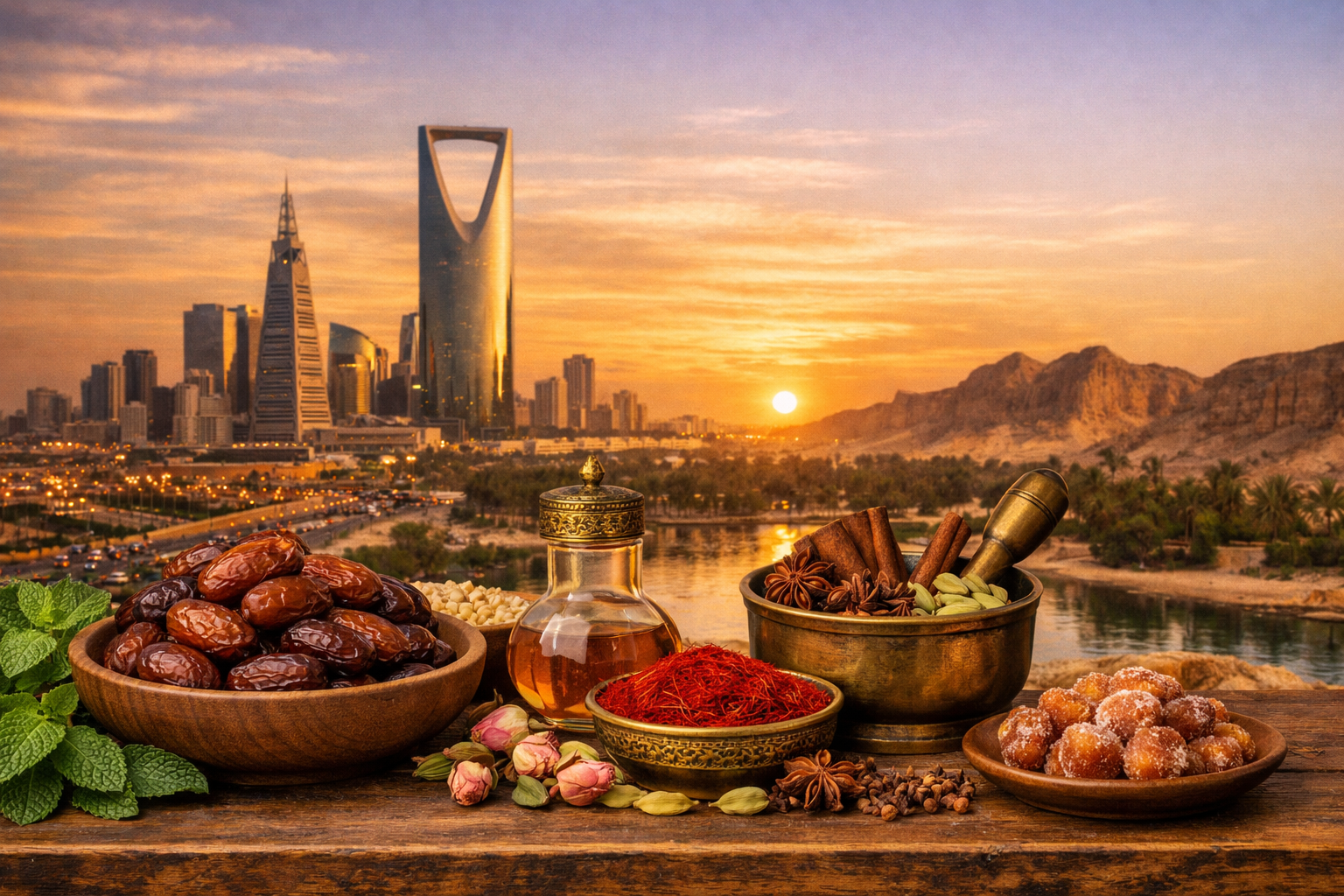
Clean Labels, Cultural Roots: How Plant-Based Flavors Shape Saudi Arabia’s Food Future
Saudi Arabia’s natural food flavors sector is entering a dynamic phase, shaped by consumer demand for preservative‑free products and a growing emphasis on health‑conscious choices. Plant‑based sources already dominate the market, with dates, saffron, rose water, and spice blends anchoring the region’s culinary identity. At the same time, new product launches, such as Milaf Cola, a date‑based soft drink, illustrate how traditional ingredients are being reimagined for modern tastes. This transformation aligns with the country’s Vision 2030 strategy, which prioritizes food security, sustainability, and local manufacturing, positioning natural flavors at the heart of Saudi Arabia’s evolving food future.
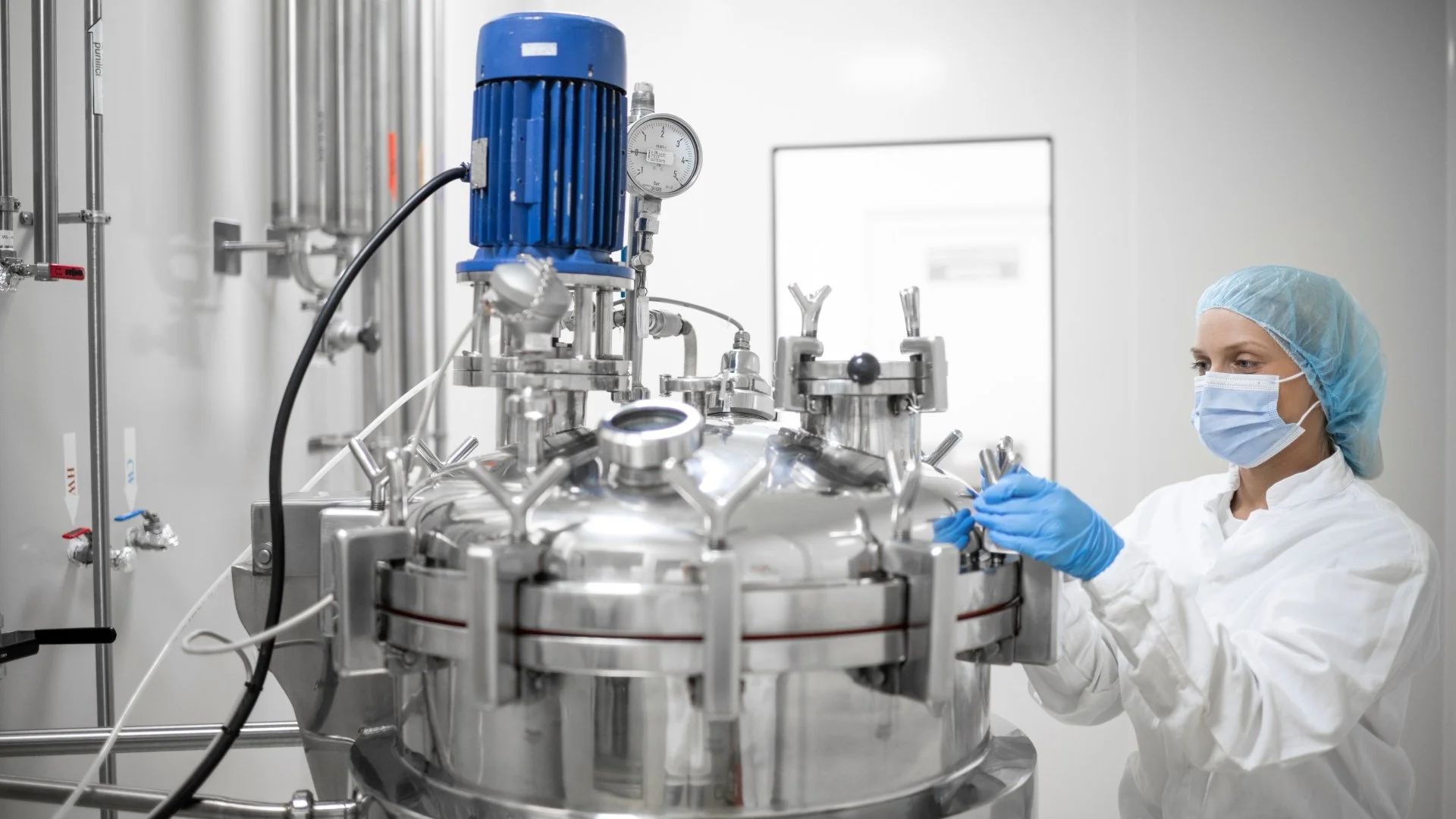
Precision Fermentation: Unlocking Sustainable Protein Opportunities in the Middle East
Precision fermentation is rapidly becoming one of the most transformative technologies in the global food industry, and its relevance to the Middle East is particularly striking. By programming microorganisms to produce proteins identical to those found in milk, eggs, or collagen, this process offers a scalable, animal-free solution to meet rising demand for sustainable proteins. Globally, the market is projected to reach USD 57.1 billion by 2032, driven by advances in biotechnology and consumer interest in alternatives to traditional animal agriculture. For the Middle East, where food security and resource limitations are pressing concerns, precision fermentation represents not only a global trend but also a strategic opportunity to strengthen resilience and foster innovation.

Saudi Arabia’s Non‑Dairy Creamer Market: A Blend of Culture and Innovation
Saudi Arabia is witnessing a remarkable transformation in its coffee culture, and this shift is reshaping the market for non‑dairy coffee creamers. What was once a niche product is now becoming a mainstream choice, driven by the rapid expansion of specialty cafés, the rise of health‑conscious consumers, and the growing appetite for plant‑based alternatives. Market projections show steady growth, with the sector expected to expand from around USD 24.8 million in 2025 to USD 42.7 million by 2034, reflecting a compound annual growth rate of more than six percent.

Saudi Arabia’s Vegan Chocolate Market Forecasts Strong Growth Amid Health and Lifestyle Shifts
Saudi Arabia’s vegan chocolate market is poised for significant growth, with IMARC Group projecting the sector to rise from USD 12.9 million in 2025 to USD 30.9 million by 2034. This reflects a compound annual growth rate of 10.2 percent between 2026 and 2034, underscoring the increasing role of plant-based indulgence in the Kingdom’s evolving consumer landscape.

Vegan Snack Packs in the UAE: A Market Shift Toward Conscious Consumption
Based on a recent report by IndexBox on the UAE marketplace for vegan snack packs, the category is showing clear signs of growth and diversification. What was once a niche offering is now becoming a mainstream choice, with both international health food brands and local specialists competing for visibility and consumer loyalty.
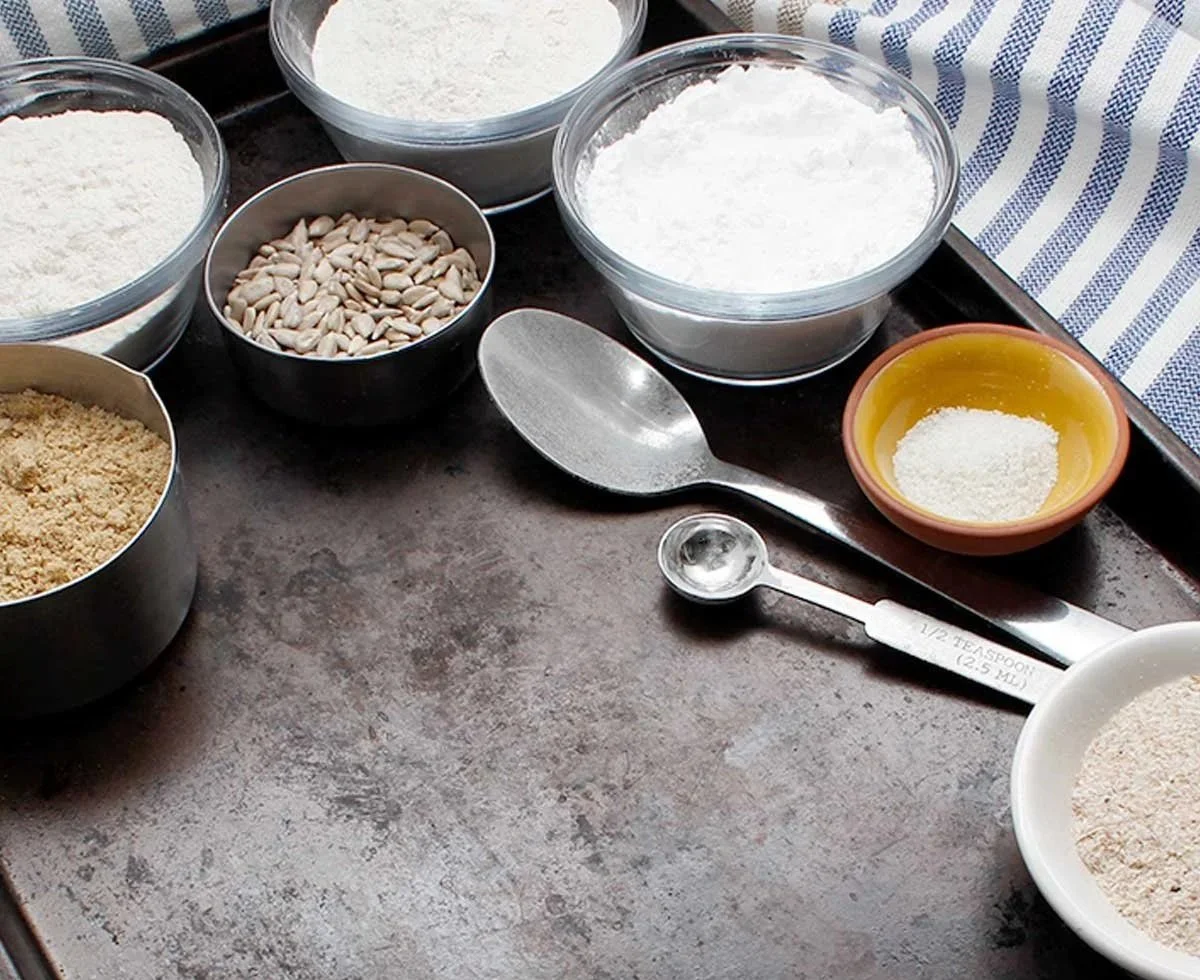
MEA Vegan Baking Ingredients Rise 66% by 2035, Egg Replacers at the Forefront
The vegan baking ingredients market in the Middle East & Africa (MEA) is forecast to expand from USD 25.5 million in 2025 to USD 42.3 million by 2035, marking a 65.9% increase at a CAGR of 5.2%. At the forefront of this expansion are egg replacers & binders, projected as the largest product type segment, reflecting how functional performance and formulation reliability are unlocking mainstream adoption across bakery applications.

Cruelty-Free and Culturally Rooted: The Vegan Cosmetics Surge in Saudi Arabia
Saudi Arabia is no longer just a consumer of global beauty trends — it’s becoming a regional leader in ethical cosmetics. According to a 2025 market report, the Saudi vegan cosmetics sector is projected to grow from USD 165.28 billion in 2024 to USD 267.98 billion by 2030, driven by a compound annual growth rate of 8.45%.
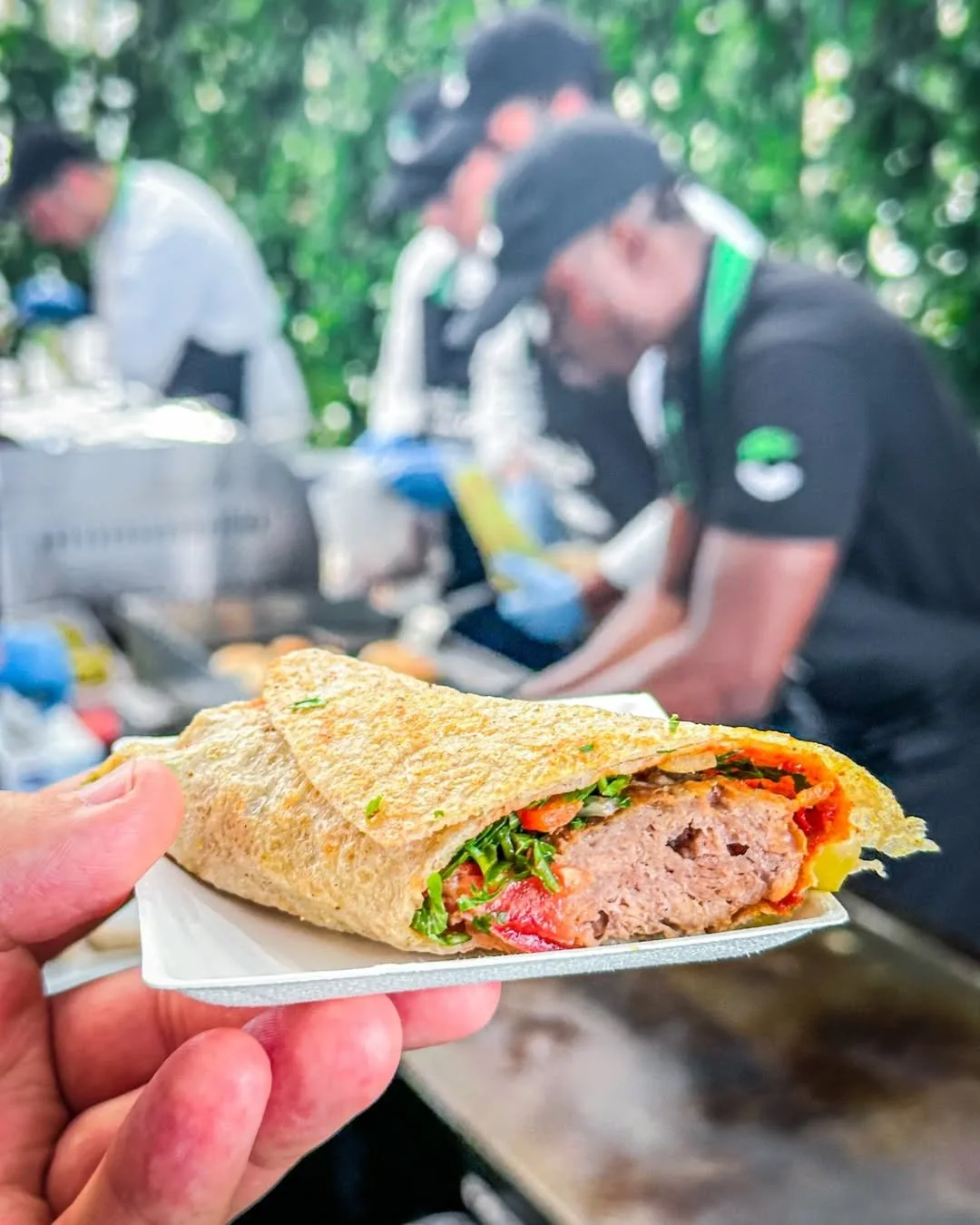
Mapping the Growth of Vegan Protein in the Arab Region: How Conscious Nutrition is Shaping the Future
Consumers in the Arab region and globally are increasingly seeking proteins from sources such as lentils, chickpeas, fava beans, peas, soybeans, rice, and hemp—not only appealing to vegans but also attracting health-conscious individuals pursuing sustainable, functional nutrition. According to the Middle East & Africa Plant-Based Protein Market Outlook, 2030, the region is blending its rich culinary heritage with modern innovations, positioning itself at the intersection of tradition and transformation.
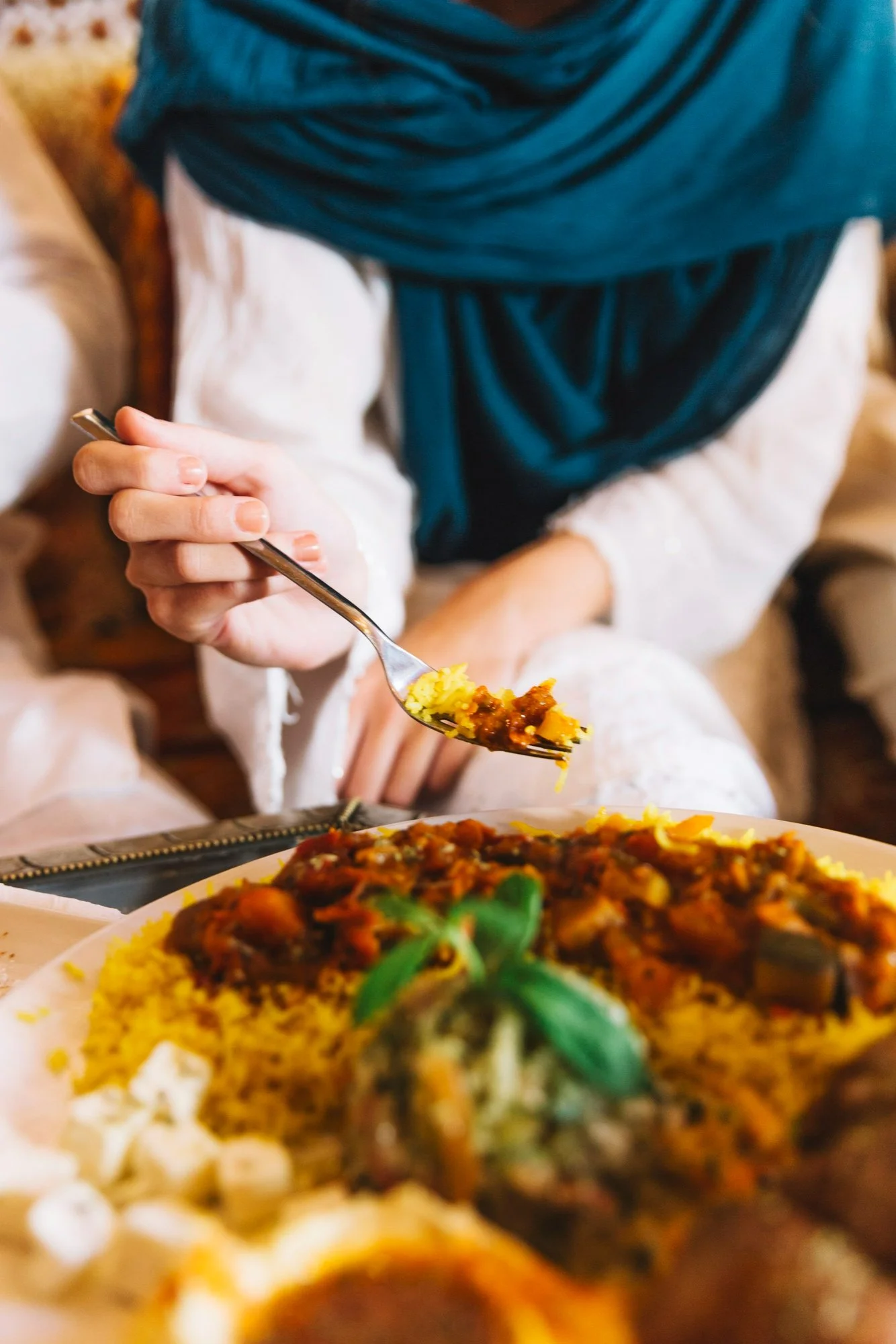
The Protein Paradox: Tradition vs. Transformation in the Middle East — A Region Caught Between Ritual and Reform
The Middle East is experiencing a profound shift in its food identity. For generations, meat has been more than nourishment—it’s been a symbol of hospitality, religious devotion, and cultural pride. From lamb feasts during Eid to grilled kofta at family gatherings, animal protein is deeply embedded in the region’s traditions. Yet today, a new narrative is emerging—one shaped by growing concerns over climate change, public health, animal welfare, and food security. Sustainability is no longer a fringe concept; it’s a regional priority. Conscious and ethical consumption is gaining traction, especially among younger generations who are questioning long-held assumptions about food and its impact.

Plant-Based Revolution in Saudi Arabia: Meat Substitutes Gain Momentum
Saudi Arabia is experiencing a notable shift toward plant-based diets. A recent report on the Saudi Arabia meat substitutes market estimates its value at USD 124.56 million in 2024, with projections to reach USD 168.56 million by 2030, growing at a CAGR of 5.17%. This steady expansion highlights evolving consumer preferences, as more individuals embrace alternative protein sources that promote health, minimize environmental impact, and support ethical consumption values.

The Plant-Based Milk Revolution in Saudi Arabia: Trends, Challenges & Opportunities
Saudi Arabia’s dairy industry is undergoing a significant transformation with the rising demand for plant-based alternatives. As global dietary preferences shift toward sustainability and health-conscious choices, the Saudi market is embracing dairy-free options, presenting immense opportunities for growth
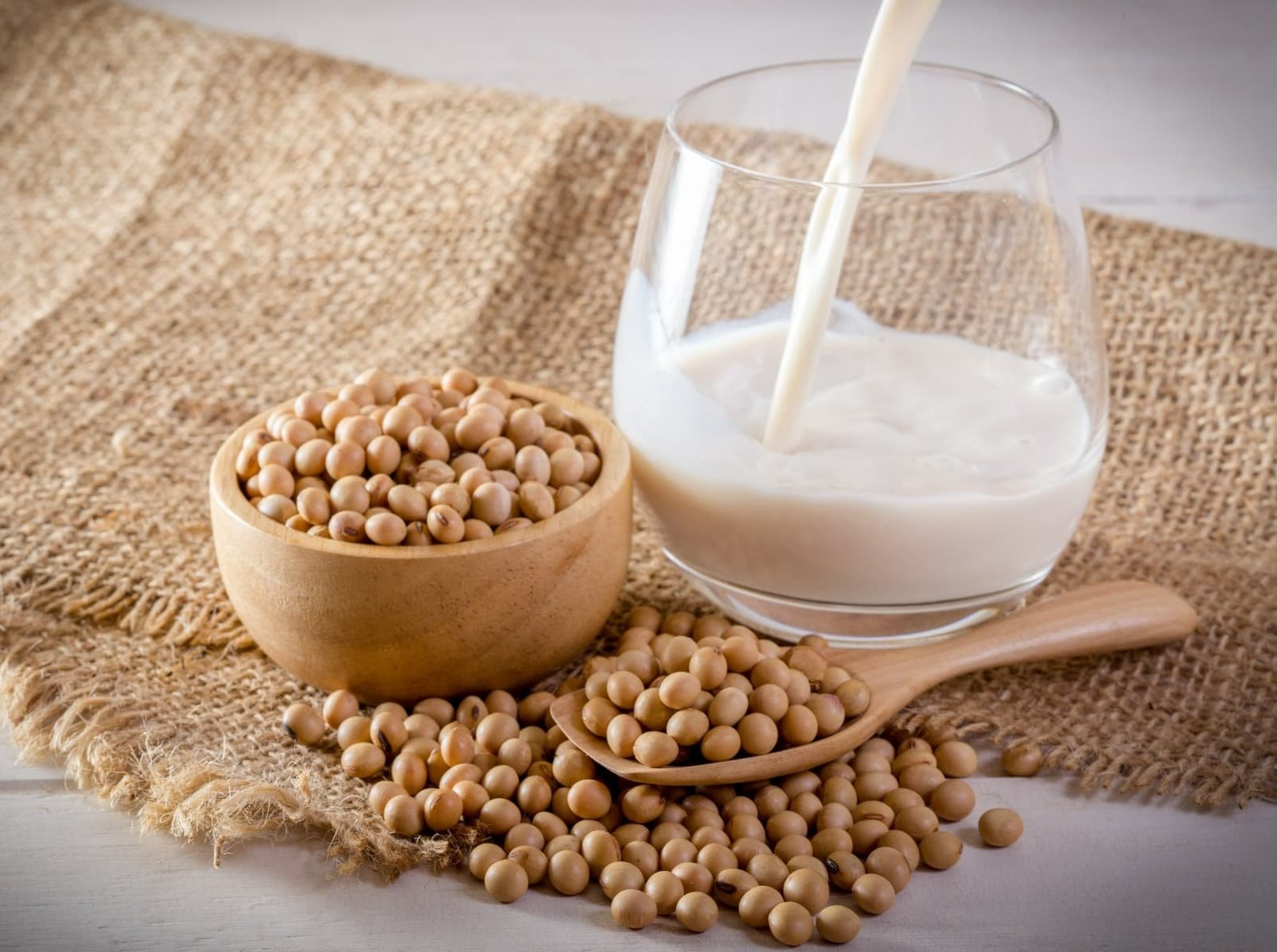
UAE Soy Milk Market: Unprecedented Growth and Promising Future
According to a report published on May 9, 2025, the UAE soy milk market is experiencing remarkable expansion, driven by shifting consumer preferences toward healthier, plant-based alternatives. With rising health awareness, environmental consciousness, and dietary diversification, soy milk has established itself as a leading choice in the non-dairy sector. As demand surges, manufacturers are investing in innovation and market strategies to solidify soy milk’s presence in households, cafes, and retail stores across the region.