

Law, Ethics, and Resilience: An Interview with Ghina Nahfawi on the Fight for Animal Rights
Ghina Nahfawi is one of Lebanon’s most outspoken voices for animal rights. Grounding her work in law, ethics, and public awareness, she has built a movement that challenges weak legislation, confronts cultural traditions, and exposes violations through media. Her activism insists on accountability and demands a more compassionate future for animals in Lebanon and across the region.
Her work confronts weak legislation, misinterpretations of religion, and entrenched practices that perpetuate cruelty, while also offering practical solutions like TNVR and eco‑friendly tourism. In this interview with the Middle East Vegan Society, Ghina shares the experiences that shaped her path, the challenges she continues to face, and her vision for a Lebanon where animals are protected and valued as part of the community.
1. What first inspired you to dedicate yourself to animal rights activism in Lebanon?
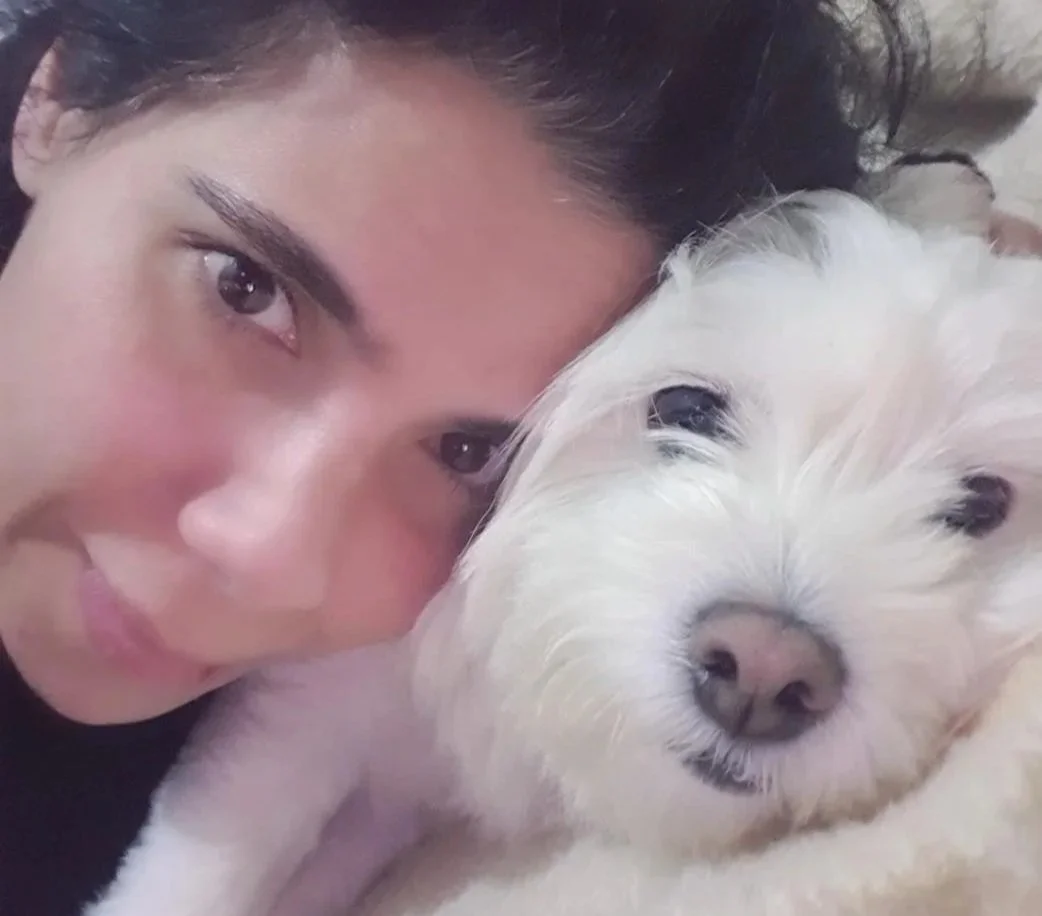
My journey into animal rights activism was sparked by a heart-wrenching encounter with a tiny, abandoned puppy named later on Snowy. I found him wandering the streets, malnourished and scared, and decided to take him in. Witnessing firsthand the neglect and cruelty he suffered opened my eyes to the harsh reality many animals face in Lebanon. The experience ignited a fire within me, and I knew I had to do something. Seeing the widespread mistreatment of animals across the country further fueled my passion, and I've been dedicated to advocating for their rights and welfare ever since.
2. In your activism, you often rely on legal frameworks, and when institutions or individuals fail to uphold them you turn to the public through media to demand accountability. How do you see the relationship between enforcing law, ethics, and awareness in advancing animal rights?
For me, enforcing law, ethics, and awareness are intertwined pillars in advancing animal rights. Laws provide a foundation, but they're only effective if enforced. When institutions or individuals fail to uphold them, public awareness and pressure become crucial in pushing for change. Media plays a key role in shedding light on injustices, mobilizing public opinion, and holding violators accountable. Ethics, on the other hand, drive the movement, informing our actions and advocacy. By educating the public and promoting empathy, we can shift societal norms and create a culture of compassion. Ultimately, it's a three-prangled approach: leveraging legal frameworks, raising awareness, and appealing to ethics to create a more just world for animals.
3. What are the biggest challenges you face as an activist in Lebanon, whether from authorities, cultural traditions, or lack of resources, and how do you maintain the resilience to continue your work in the face of these obstacles?
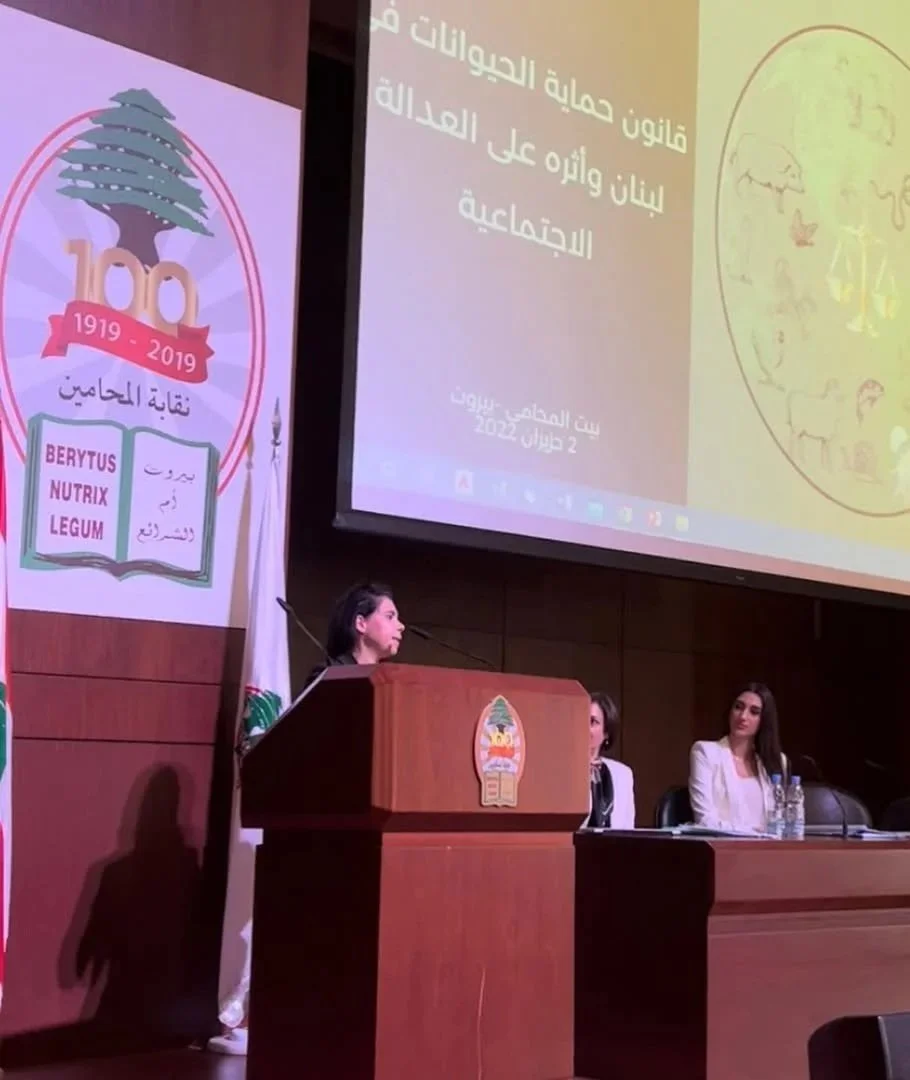
The biggest challenges I face as an activist in Lebanon stem from the weakness of our Animal Welfare Law, which we're actively working to improve. The lack of stringent legislation emboldens abusers, and it's disheartening when authorities underestimate the severity of animal abuse. Cultural traditions and outdated beliefs, such as the notion that certain animals are disposable or should be killed, also pose significant hurdles. Moreover, misinterpretations of religious teachings can be used to justify cruelty, making it even tougher to push for change.
Despite these obstacles, I maintain resilience by refusing to surrender. I believe every small victory, every life saved, and every shift in mindset is worth the fight. Surrounding myself with like-minded individuals and drawing strength from the animals themselves keeps me going. Together, we're building a movement that's determined to create a more compassionate Lebanon, one step at a time.
4. In the context of implementing TNVR programs, how can shelters, organizations, and municipalities effectively execute these measures to ensure they meet both the legal and ethical requirements of animal protection?
Shelters and TNVR programs serve distinct purposes and aren't meant to coexist as interchangeable entities. In TNVR, shelters are temporary havens for post-operative care or permanent residences for dogs with special needs, such as seniors, those with disabilities, or hyper dogs that can't thrive on the streets. These shelters must prioritize hygiene, nutrition, and protection from the elements (weather, etc...).
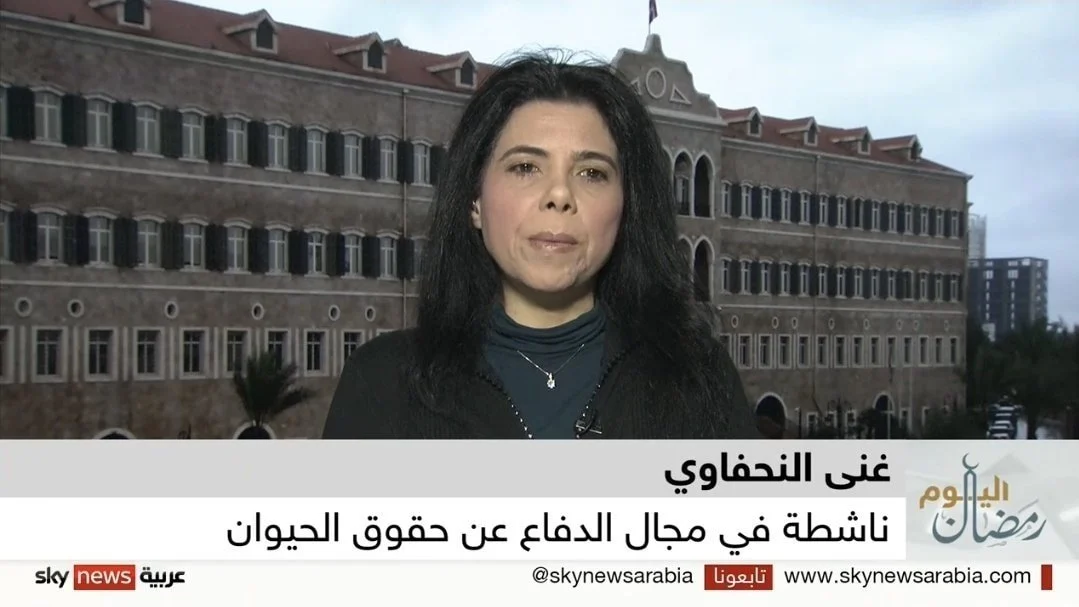
TNVR dogs that are friendly and healthy should be allowed to live freely in our neighborhoods, contributing to street safety and ecosystem balance alongside cats. By adopting this approach, we recognize the value of these animals as community members, rather than viewing them as problems to be solved.
Municipalities MUST implement TNVR as per the national plan outlined by the Ministry of Agriculture and the Syndicate of Veterinary Doctors. They should actively promote TNVR, spread awareness, and fiercely combat animal abuse and killing. Anything less makes them complicit in these crimes – they're the silent killers, perpetuating the cycle of violence. It's time for accountability and action!
5. You often highlight the link between wildlife protection and ecological balance. How do you explain this connection to communities who may see wild animals as threats?
Wild animals aren't just individual creatures, they're part of a delicate ecosystem that supports all life, including humans. When we disrupt this balance, everyone suffers.
Predators keep prey populations in check, herbivores disperse seeds, and scavengers clean up carcasses. Remove one piece, and the whole system is disrupted.
For example, in Lebanon, urban areas with fewer snakes and birds often struggle with rodent infestations. By protecting wildlife, we're actually protecting ourselves and our communities. It's not about romanticizing animals; it's about recognizing our place within nature, not above it.
6. What alternatives do you propose to replace exploitative practices, such as the use of animals in tourism?
Let's promote eco-friendly tourism that prioritizes animal welfare, like wildlife observation tours, sanctuaries, and educational programs. These alternatives raise awareness and support conservation, benefiting both humans and animals.
7. Looking ahead, what is your vision for the future of animal rights in Lebanon, and what message would you like to share with activists across the region?
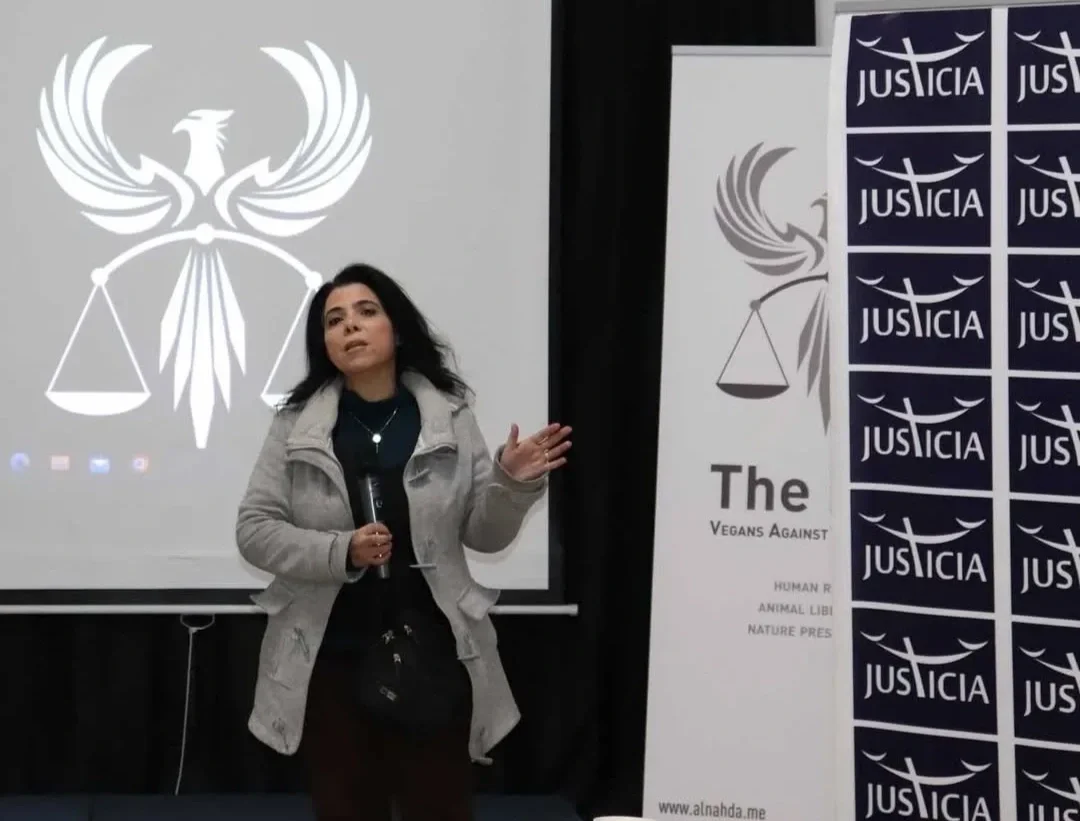
My vision for Lebanon is a future where animals are valued and protected, with strong laws and a compassionate society. I'd like to share this message with activists: Keep pushing boundaries, even when it's tough. Every small victory counts, and together, we can create a wave of change. Let's build a region where animals are treated with kindness and respect, and humans coexist in harmony with nature.
Conclusion
Through her activism, Ghina Nahfawi reminds us that animal protection is inseparable from justice, ethics, and ecological balance. Her vision for Lebanon is one where animals are recognized as community members, safeguarded by strong laws, and respected within a culture of compassion. Her message to activists across the region is clear: persistence matters, every victory counts, and together we can build a future where humans and animals coexist in harmony. Ghina’s resilience and uncompromising voice stand as a beacon of hope for a movement determined to transform Lebanon and the Middle East into a region of compassion and protection.