

Wars across the Middle East Reveal the Fragility of Animal Trade
Wars across the Middle East have repeatedly disrupted shipping routes and exposed the instability of live animal exports. This trade, already marked by precarious conditions, proves especially vulnerable in times of conflict. For example, Eurogroup for Animals, together with a coalition of international animal rights organizations, called on the European Commission to suspend live animal exports after conflict left shipments stranded and exposed the fragility of the system. Their intervention demonstrates how wars accross the Middle East have repeatedly forced recognition of the crisis and the suffering it creates.
Conflict in the region has made this fragility impossible to ignore. With shipping routes disrupted and instability spreading, the suffering inherent in live animal exports is intensified. Wars accross the Middle East reveal that animal trade systems cannot withstand crisis—they collapse, leaving behind both human and animal suffering.
Some effects are already being felt. Reports show that ships carrying Brazilian beef have been left waiting at sea, unable to dock at Middle Eastern ports because of the war. This stark image underscores how quickly trade collapses under conflict, leaving animals trapped in limbo.
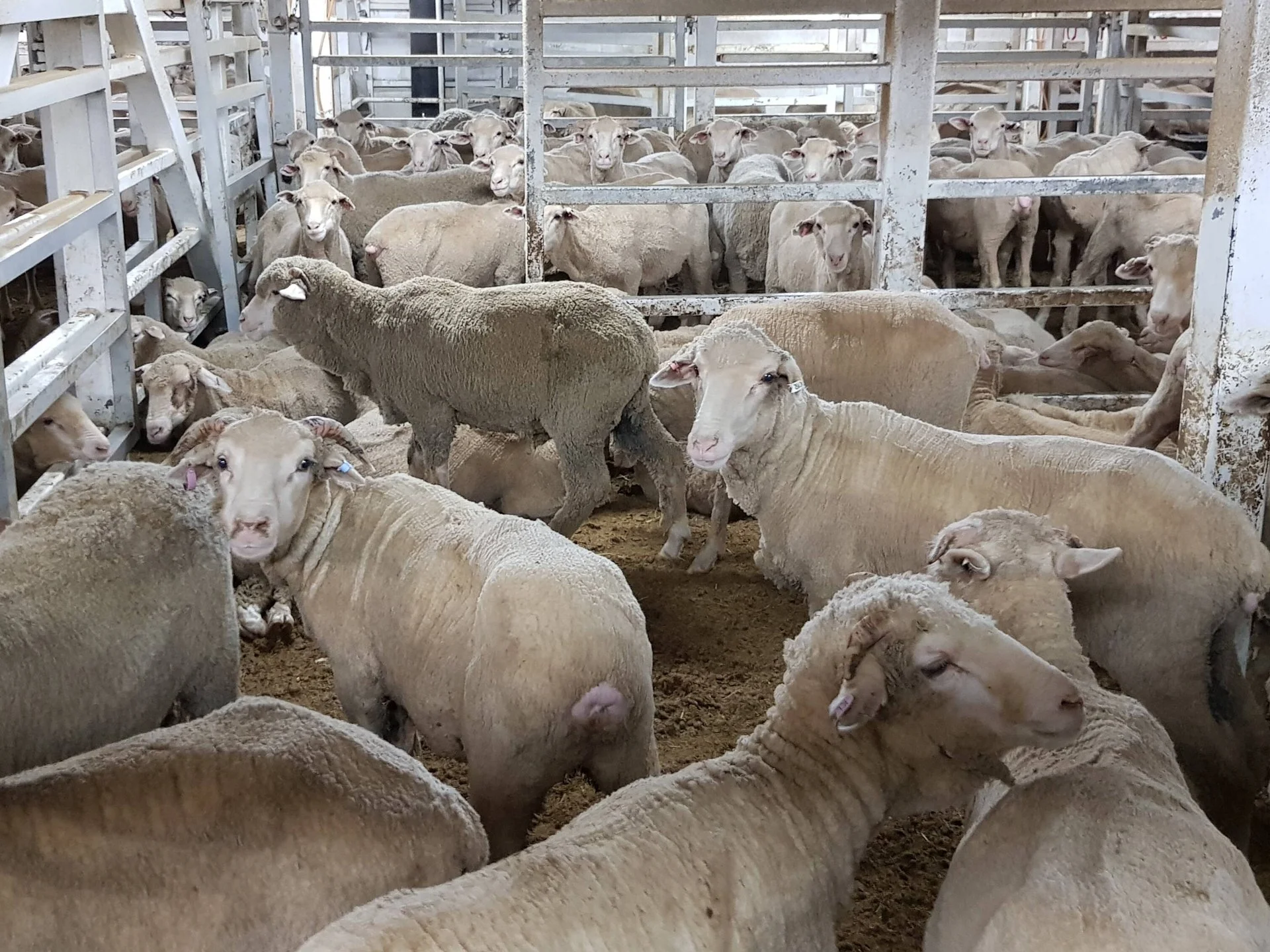
Millions of sheep and cattle are transported annually from Australia and Europe to destinations such as Lebanon, Israel, Jordan, and the Gulf states. According to PETA, animals endure overcrowding, starvation, and disease during these journeys, with mortality rates climbing when voyages are delayed or disrupted. Even in peacetime, shipments are prone to breakdowns, refusals at ports, and extended periods at sea.
PETA has long campaigned against live animal exports, exposing the fragility of the trade through investigations and public pressure. Their exposés have revealed animals collapsing from heat stress, dragged off ships in exhaustion, and slaughtered while still conscious upon arrival. Government records cited in PETA’s campaigns show that more than two million animals have died on live‑export ships before reaching their destinations, often from starvation or disease. These findings underscore that the trade is fragile by design: dependent on unstable routes, vulnerable to disruption, and incapable of guaranteeing safety for the beings it commodifies.
The campaigns have also led to tangible changes. Following years of pressure, Australia introduced seasonal bans on live sheep exports to the Middle East during the hottest months, acknowledging the risks of heat stress that PETA had documented. Public protests and petitions organized by the group have drawn attention to stranding incidents, where tens of thousands of animals were trapped at sea for weeks when ports refused entry. These cases illustrate how quickly the system collapses under stress, leaving animals to suffer in prolonged confinement.
Wars across the Middle East magnify these risks further. Delays, diversions, and abandonment of shipments extend the suffering of animals already weakened by overcrowding and disease. The instability of the region makes clear that live animal trade collapses under crisis, exposing systemic suffering that PETA’s campaigns and international coalitions have consistently brought to light.