

Abu Dhabi Introduces New Guidelines for Testing Cultivated Meat, Precision Fermentation, and Alternative Proteins
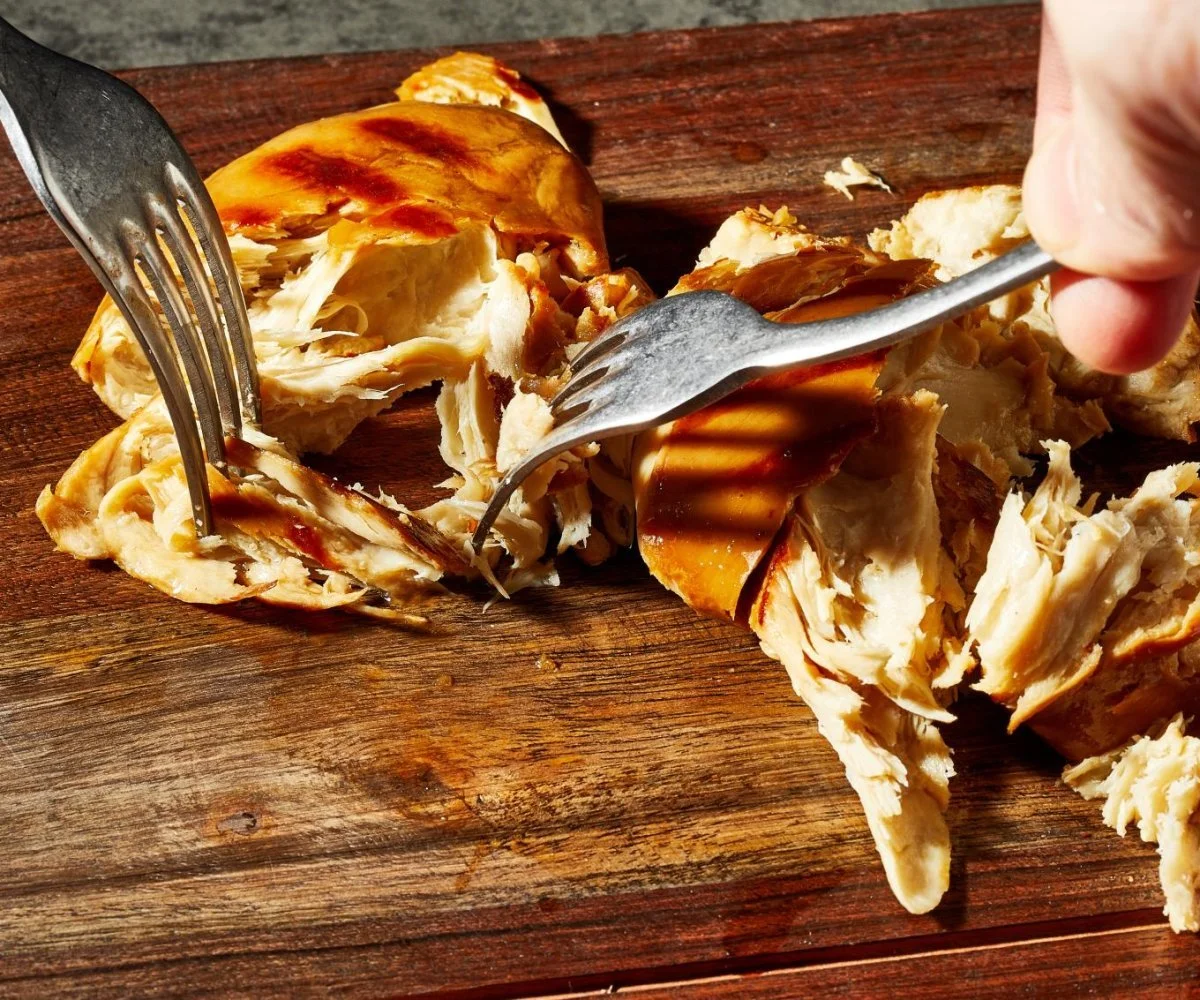
Abu Dhabi has introduced a new regulatory framework allowing companies to conduct controlled tasting and sensory evaluation trials of cultivated meat, precision-fermented proteins, and other novel food products before obtaining full approval for commercial sale in the United Arab Emirates.
Abu Dhabi Advances Its Precision Fermentation Industry with New Food Manufacturing Partnership
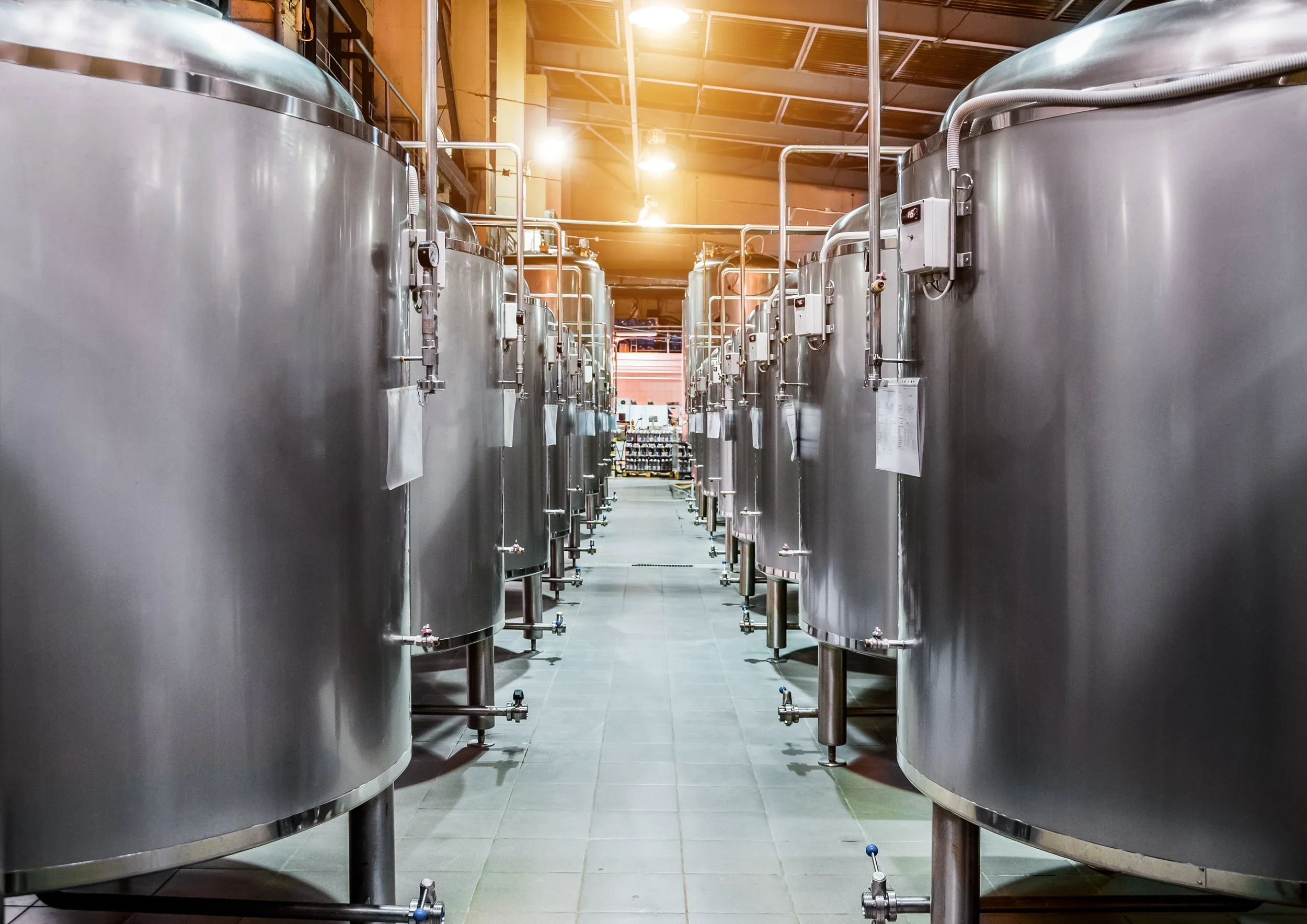
UAE-based Al Ghurair Foods has announced an agreement to supply locally manufactured dextrose syrup to a planned 4-million-liter industrial-scale protein fermentation facility in Abu Dhabi. The agreement marks another step towards establishing a local precision fermentation industry, bringing together food manufacturing, biotechnology, and alternative protein production.
COP31 to Feature 60% Meat-Free Catering and Fully Plant-Based Cafés
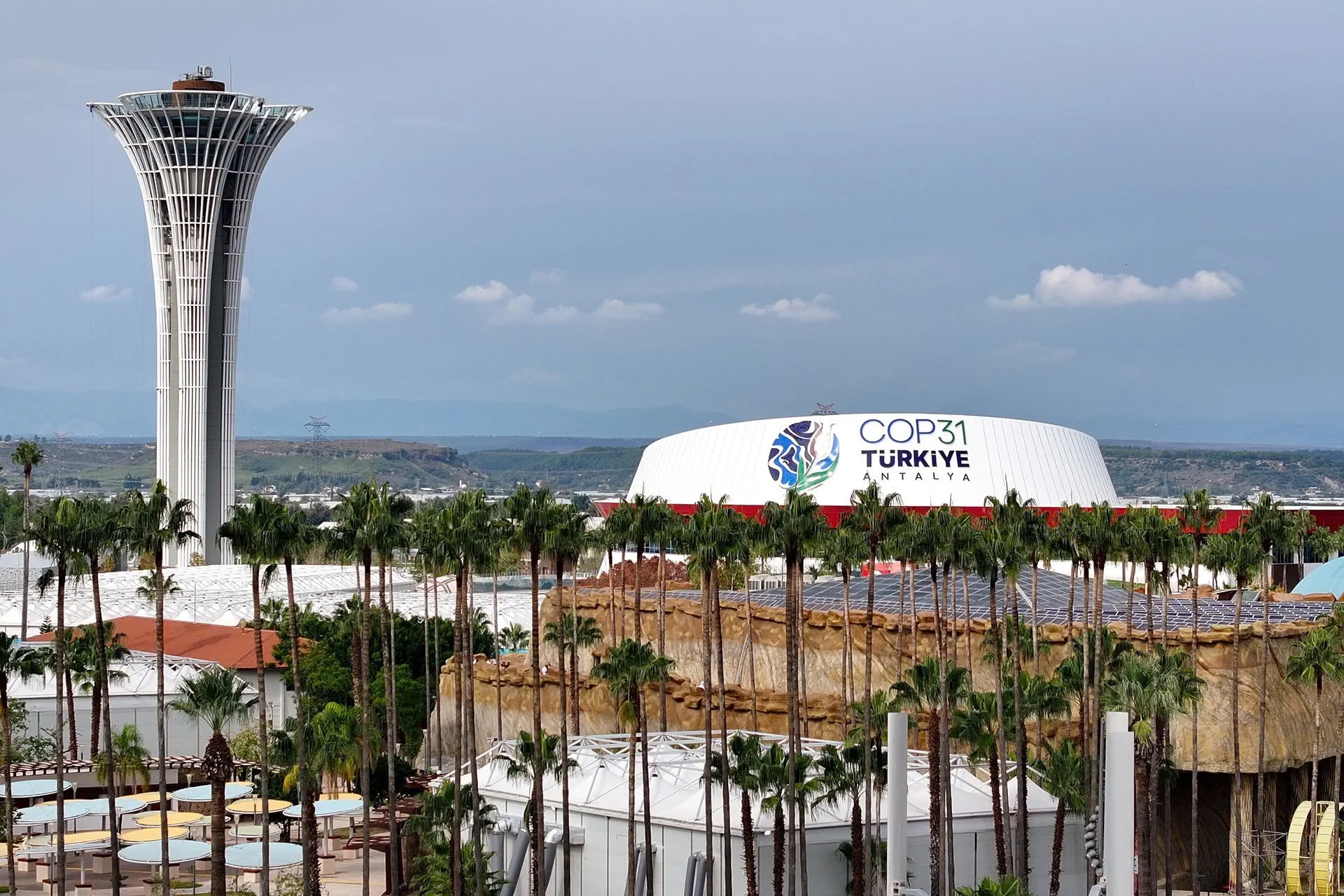
The upcoming United Nations climate conference, COP31, is set to significantly expand its plant-based food offerings, with organizers aiming for 60% of catering to be meat-free. The conference will also feature two fully plant-based cafés and host two vegan businesses from Antalya, Türkiye, at the venue's food court.
Enbat Opens Sustainable Food Systems Centre at Qatar Foundation's Green Island
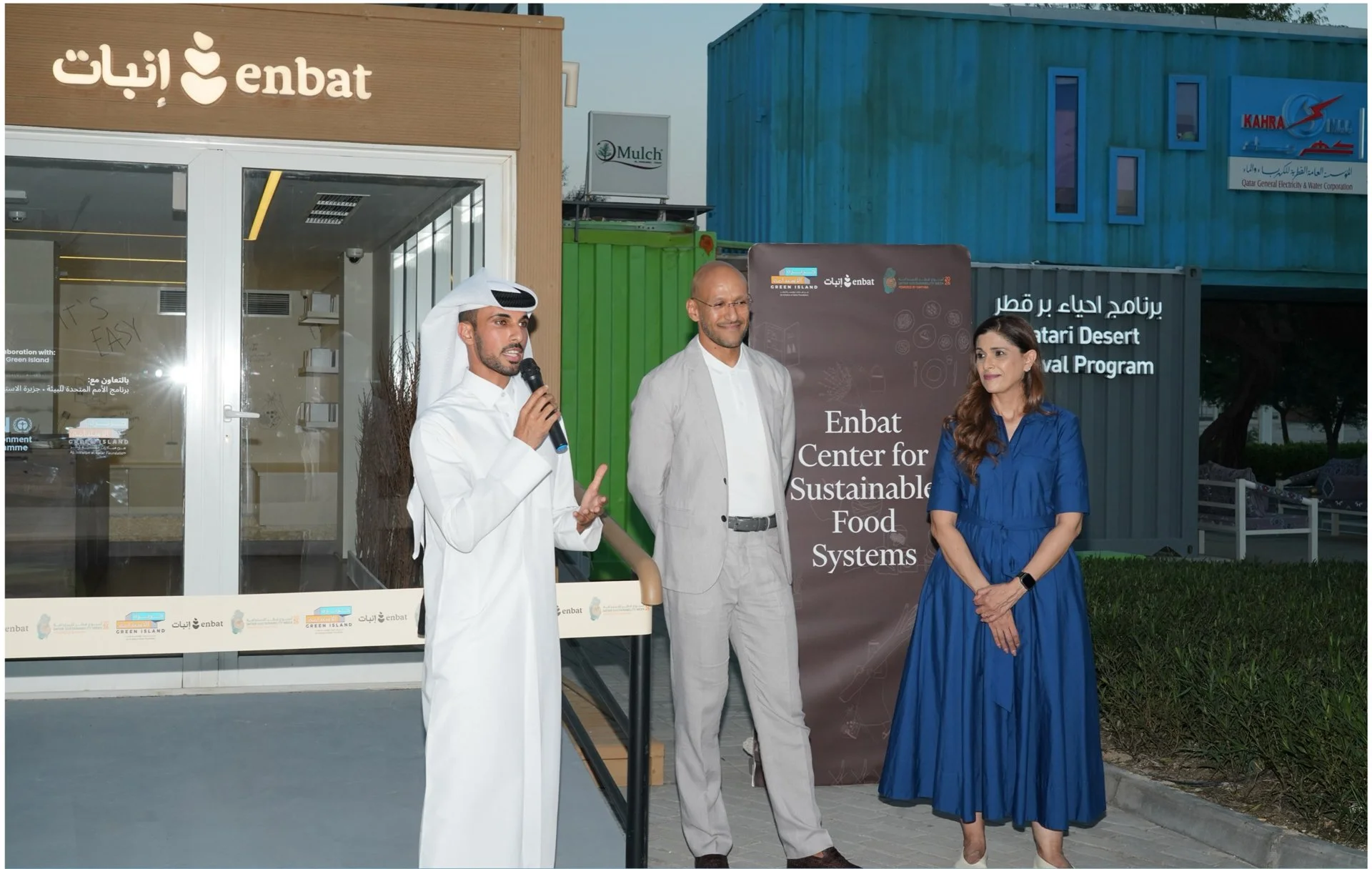
QATAR CITY, Qatar - Enbat Group has officially opened the Enbat Center for Sustainable Food Systems at Green Island in Education City, a sustainability and environmental education hub operated by Qatar Foundation. The launch took place during Qatar Sustainability Week and brings a new space dedicated to exploring the challenges and opportunities facing modern food systems. The center is the result of a partnership between Enbat Group and Green Island, an initiative of Qatar Foundation that focuses on environmental awareness, recycling, education, and community engagement.

Plant-Based Innovation Gains Visibility in Qatar Despite Deep-Rooted Food Traditions
A recent episode of Qatar in Motion highlighted the growing visibility of plant-based food innovation in Qatar, featuring Raw Middle East among a selection of locally founded businesses. The inclusion of a plant-based food company alongside one of Qatar's prominent food producers, Mazzraty, known for its dairy and poultry products, is particularly notable in a country and a wider region, where food traditions have long been centered around animal-based cuisine.

Lebanon’s Forgotten Victims: Wildlife and Companion Animals Facing Aggression and the Annihilation of Habitats
Aggression is often described in numbers: civilian deaths, casualties, destroyed homes, and displaced families. Yet behind these statistics lies another tragedy that rarely makes headlines: the suffering of animals. From forests burned to rubble to villages reduced to ruins, the toll of Israeli forces’ aggression in South Lebanon extends far beyond human communities. As WIRED Middle East reported this year, animals and habitats become casualties, damaged first, restored last, and almost never counted in the official record. In South Lebanon, the reality of aggression is visible in the annihilation of habitats and in the daily work of rescuers such as Kassem Haidar and Houssein Hamze, who risk their lives to save companion animals left behind, feed strays wandering ruined streets, and transport wounded beings to safety.

From Australia to the Middle East and North Africa: The Collapse and Cruelty of Live Sheep Exports
Over the years, numerous incidents have been recorded in the trade of live sheep from Australia to the Middle East and North Africa. Ships have sunk, animals have suffocated in extreme heat, and entire consignments have been rejected at ports only to face brutal slaughter. Together, these incidents expose a system in crisis, where animals continue to be crammed into ships, enduring fear, heat, and neglect, only for many to perish before reaching port. The collapse reflects both the instability of the trade and the mounting evidence of its cruelty.

No Moo: Saudi Arabia’s Plant-Based Milk Brand Making Waves
No Moo, a Saudi plant‑based milk brand founded in Alkhobar in 2022, has established a visible presence in cafés and supermarkets across the Kingdom. With its colorful cartons, eco‑friendly packaging, and barista‑quality texture, the brand is steadily expanding its reach. Its pistachio milk, in particular, offers a distinctive regional flavor that sets it apart from international competitors while appealing to health‑conscious consumers.

Foot and Mouth Disease in the Middle East: Governments Report Billions in Economic Losses, Cattle and Sheep Bear the Suffering
In 2025 and 2026, the Middle East experienced a significant rise in foot and mouth disease outbreaks, particularly with the SAT1 serotype spreading across several countries. Governments often report billions in economic losses, trade bans, and vaccination campaigns. Behind these figures, however, are cattle and sheep enduring painful blisters, weakness, and mass culling, realities that are rarely reflected in official statements.

Skinload, the UAE’s Homegrown Vegan Beauty Pioneer, Launches Inclusive Shades in Saudi Arabia
Skinload, the UAE-born vegan skincare and cosmetics brand, has announced its entry into Saudi Arabia along with the launch of five new BB cream shades designed to reflect the diverse complexions of Middle Eastern consumers. This milestone highlights the growing demand for ethical and inclusive beauty across the region. The new shades were shaped by customer feedback and represent a commitment to inclusivity, as highlighted in Skinload’s LinkedIn announcement, where the brand emphasized its mission to listen to its community and celebrate diversity in vegan beauty.

Plant‑Based Dining Normalized at Swiss International Scientific School Dubai
At the Swiss International Scientific School Dubai, one of the largest international schools in the UAE, plant‑based cuisine has become a normalized part of daily life. The catering provider, Swiss Canonica, operates a six‑week rotating international menu where vegan main dishes are featured every day, alongside starters, Chef’s Specials, and desserts.

Global Calls to Ban Live Animal Transport Gain Urgency After Oman Tragedy
Animal welfare organizations worldwide are intensifying their demands for a ban on live animal maritime transport. Governments in New Zealand and Britain have already outlawed the practice, while Australia has legislated a complete phase‑out of live sheep exports by May 2028. Advocacy groups insist that the Middle East must urgently follow suit, ending a system that subjects millions of animals to suffering and death at sea. This renewed pressure comes in the wake of a devastating incident off the coast of Oman in late May 2026.

A Turning Point for Animal Welfare: Egypt Aligns with Global Standards on Stray Management
Egypt has announced a landmark shift in animal welfare and public health. The Ministry of Agriculture has unveiled a unified national strategy for managing street animals, prohibiting poisoning, mass culling, and unauthorized relocation. For the first time, sterilization, rabies vaccination, and the Trap‑Neuter‑Return (TNR) program are formally recognized as the country’s sole scientific method for controlling stray populations.

Dailish Expands to the UAE with Golden Prestige Vegan Skincare
The UAE has welcomed a new player in the ethical beauty space as Korean skincare brand Dailish officially launches its Golden Prestige Collection. This expansion marks the brand’s first entry into the Gulf region, reflecting the growing demand for vegan-certified, science-backed skincare among conscious consumers.

Mezete: Jordan’s Fully Vegan Middle Eastern Cuisine Reaches the U.S.
Mezete, a Jordanian brand created by Kasih Food Production Co., is redefining how Middle Eastern cuisine is experienced in the United States. Building on Kasih’s decades of expertise in producing tahini and halva, Mezete has developed a portfolio that is fully vegan, halal certified, Non‑GMO, and preservative‑free. With nationwide distribution through Whole Foods Market and major chains such as Giant Eagle, Albertsons, Meijer, and ShopRite, the brand is introducing American consumers to authentic plant‑based staples that go far beyond hummus. This expansion reflects both the cultural richness of the Levant and the growing demand for clean‑label vegan foods in mainstream markets.

Animal Welfare Groups Urge South Africa to Ban Live Animal Exports, Mostly Destined for the Middle East
South Africa is facing growing pressure from animal welfare organizations, veterinarians, and international NGOs to ban the export of live animals by sea. Most of South Africa’s shipments are destined for the Middle East and Mauritius. These groups argue that the trade is cruel by its very nature and that no amount of regulation can erase the suffering endured by animals during long voyages. The urgency of reform was underscored in 2024 when the vessel Al Kuwait left Cape Town with 19,000 cattle.

Countdown to 2028: Australia’s Ban on Live Sheep Exports and the Middle East’s Dilemma
Australia’s landmark decision to legislate the end of live sheep exports by May 2028 marks one of the most significant animal welfare reforms in modern history. For decades, millions of sheep have been shipped across oceans in overcrowded vessels, enduring extreme heat and high mortality before facing slaughter abroad. The Middle East has been among the largest destinations for these shipments, with countries such as Jordan, Kuwait, Saudi Arabia, the United Arab Emirates, Oman, and Qatar continuing to import live animals. As the countdown to 2028 begins, the question is no longer whether this trade will end in Australia but how Middle Eastern markets will respond to a global shift away from live animal transport.

Will Saudi Arabia’s Single‑Cell Protein Innovation Reduce or Intensify Animal Suffering?
Saudi Arabia’s plan to build the world’s largest single‑cell protein (SCP) plant marks a significant moment in the evolution of global food systems. Developed in partnership with Denmark’s Unibio International, the facility will use methane to cultivate microbial protein at unprecedented scale. This raises a pressing ethical question: will such innovation reduce the suffering of animals by displacing fishmeal and soy, or will it reinforce the structures of factory farming by serving primarily as feed within the same intensive systems?

Denied Entry in Turkey, A Voyage of Suffering and Death: The Spiridon II Live Export Tragedy
The Spiridon II livestock carrier became a symbol of suffering earlier this year after nearly 340 cattle perished during a voyage that stretched on for weeks. Denied entry at several ports, including Turkey, the vessel remained stranded at sea while conditions on board deteriorated rapidly. Calves were born mid-journey, many unable to survive; animals collapsed in overcrowded pens; and mothers struggled to nurse their young. The tragedy has drawn international scrutiny, exposing the inherent cruelty of the live export trade, a system that treats sentient beings as cargo, vulnerable to delays, outdated vessels, and profit-driven decisions.

A Night Under the Levantine Sky: A Vegan Fundraising Event Supporting HEAL Palestine
On March 14, at the Appalachian Collegiate Center in the University Union, Binghamton University, New York, Students for Justice in Palestine (SJP) partnered with the Food Co-op to host “A Night Under the Levantine Sky”. The fundraiser blended Palestinian cultural heritage with the Co-op’s vegan philosophy, offering guests a taste of Palestine through food, music, and community. Fifty percent of the event’s proceeds were donated to HEAL Palestine, an apolitical nonprofit that delivers aid to Palestinian children and families, ensuring the evening carried both cultural and humanitarian impact.