

From Australia to the Middle East and North Africa: The Collapse and Cruelty of Live Sheep Exports
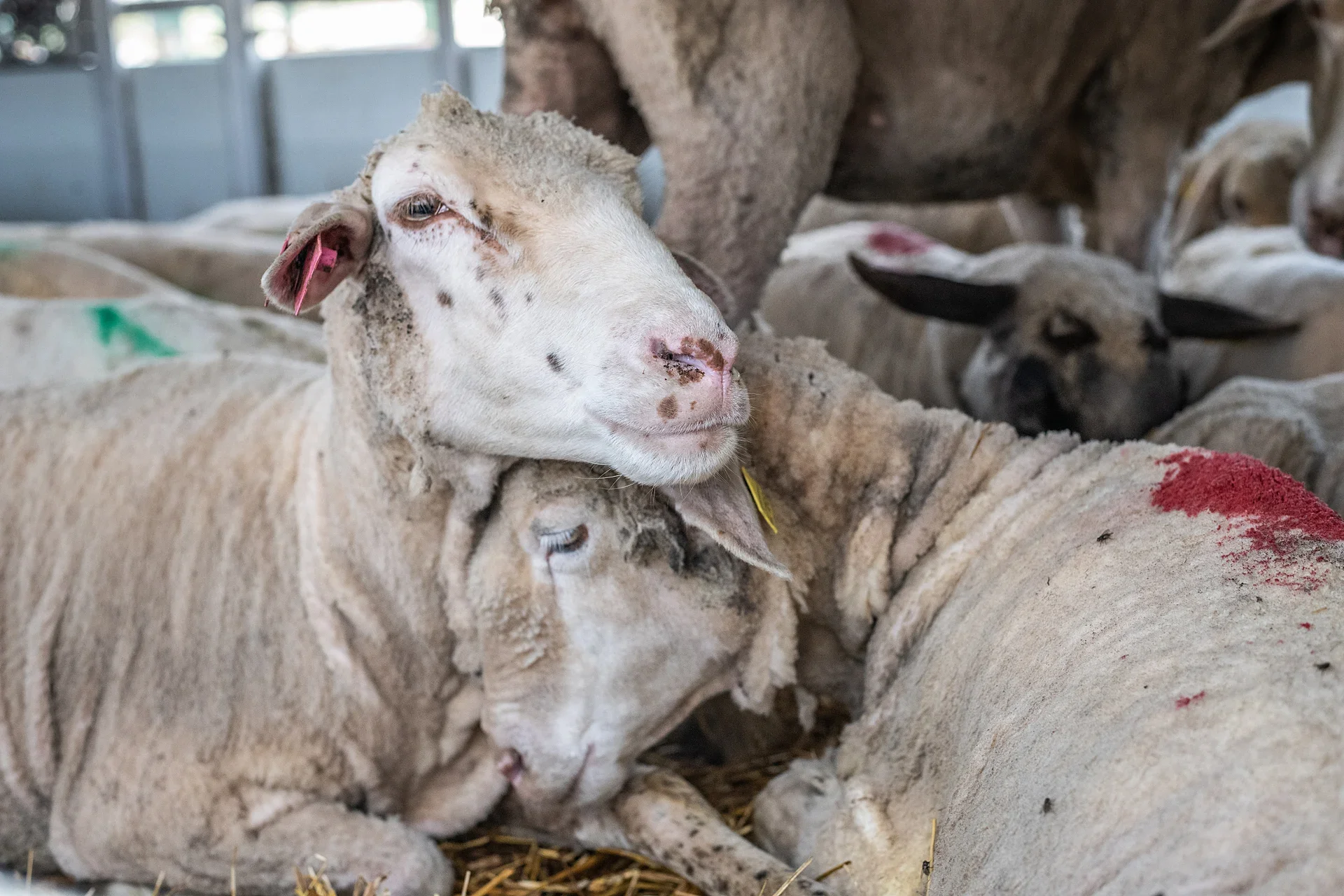
Over the years, numerous incidents have been recorded in the trade of live sheep from Australia to the Middle East and North Africa. Ships have sunk, animals have suffocated in extreme heat, and entire consignments have been rejected at ports only to face brutal slaughter. Together, these incidents expose a system in crisis, where animals continue to be crammed into ships, enduring fear, heat, and neglect, only for many to perish before reaching port. The collapse reflects both the instability of the trade and the mounting evidence of its cruelty.
The cruelty of live transport was tragically underscored in May 2026, when the vessel MSV Haji Ali sank in the Strait of Hormuz near Oman, killing around 4,000 sheep and goats. The incident sparked renewed global calls to ban live animal transport, with advocates pointing to existing bans in New Zealand and Britain, and Australia’s planned phase‑out by 2028. The Oman tragedy highlighted the urgent need for Middle Eastern countries to follow suit, as animals continue to suffer and die in transit.
This was not the first time the trade has been exposed for its brutality. In 2017, another tragedy unfolded aboard the Awassi Express, where 2,400 sheep died from heat stress during a voyage to the Middle East. The case led to charges of cruelty against the exporter, Emanuel Exports. Veterinarian Dr. Lynn Simpson, who worked on live‑export ships, described the trade as “shipping’s modern slave trade."
The suffering stretches back even further. In 2012, official figures recorded 19,407 sheep deaths during voyages. That same year, twenty thousand sheep were stranded for more than forty days after their ship was refused port in Bahrain. When finally unloaded in Pakistan, thousands were killed by being beaten, stabbed, or buried alive, despite protests from the Australian government.
Animal rights advocates, including Animals Australia and PETA, argue that live export is not a religious necessity but a profit‑driven practice. Shipping animals alive across oceans forces them into confinement, fear, and suffering, only for many to perish before reaching Middle Eastern ports. From the farms in Australia to the ships crossing oceans, sheep are reduced to commodities, enduring pain and death for a trade collapsing under the weight of its own brutality.