

Lebanon’s Forgotten Victims: Wildlife and Companion Animals Facing Aggression and the Annihilation of Habitats
Aggression is often described in numbers: civilian deaths, casualties, destroyed homes, and displaced families. Yet behind these statistics lies another tragedy that rarely makes headlines: the suffering of animals. From forests burned to rubble to villages reduced to ruins, the toll of Israeli forces’ aggression in South Lebanon extends far beyond human communities. As WIRED Middle East reported this year, animals and habitats become casualties, damaged first, restored last, and almost never counted in the official record.
In South Lebanon, the reality of aggression is visible in the annihilation of habitats and in the daily work of rescuers such as Kassem Haidar and Houssein Hamze, who risk their lives to save companion animals left behind, feed strays wandering ruined streets, and transport wounded beings to safety. Alongside these individuals, animal rescuer organizations have also mobilized, providing structure and support to relief efforts. Their work, together with the warnings of the National Council for Scientific Research (CNRS‑L) and the activism of groups such as Green Southerners, makes clear that animals are not collateral damage but victims in their own right, enduring displacement, injury, and annihilation in silence.
South Lebanon’s Habitats for Wildlife and Companion Animals Under Israeli Aggression
South Lebanon has become a frontline of Israeli bombardments and fires that have devastated forests, olive groves, and limestone escarpments. These natural areas once sheltered diverse wildlife, from striped hyenas and golden jackals to migratory birds. Now, many species are being driven into residential zones or wiped out entirely as their habitats collapse.
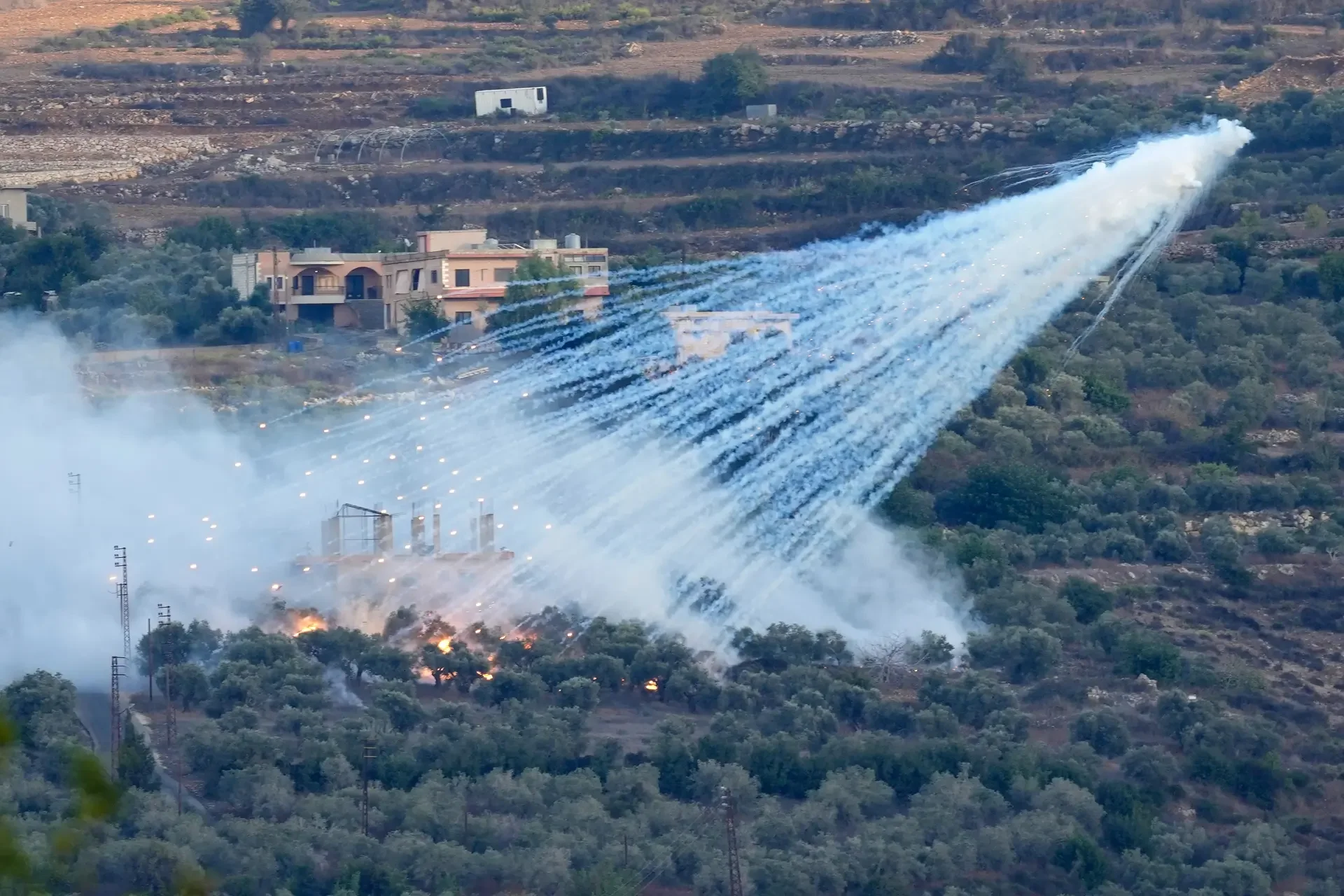
Reports from Amnesty International and environmental groups such as Green Southerners confirm that Israeli forces used white phosphorus munitions in these attacks, a highly reactive chemical that burns at extreme temperatures and leaves long‑lasting contamination in soil and water. The result is not only the annihilation of habitats but also toxic residues that threaten biodiversity and human health for years to come.
South Lebanon has become a frontline of Israeli bombardments and fires that have devastated forests, olive groves, and limestone escarpments. These natural areas once sheltered diverse wildlife, from striped hyenas and golden jackals to migratory birds. Now, many species are being driven into residential zones or wiped out entirely as their habitats collapse.
Environmental activist Hisham Younes of Green Southerners explained that “entire landscapes have been annihilated in Bayada and Naqoura,” describing how detonations shattered the karstic terrain that sustained countless animal colonies. The destruction is not limited to wildlife: grazing lands for farmed animals such as sheep and goats have been burned, orchards uprooted, and villages reduced to rubble, leaving both humans and animals displaced.
Animals Facing Displacement and Suffering
Animals caught in aggression zones endure displacement similar to human refugees. Migratory birds are forced off their routes by explosions and fires, while farmed animals such as sheep and goats lose access to pastures destroyed by shelling. Companion animals often suffer silently when families flee, left behind in villages that cannot be evacuated. In southern towns, dogs and cats wander abandoned streets, surviving on scraps or succumbing to hunger and disease. Farmers have reported losing entire herds of farmed animals to bombardments, describing not only economic devastation but also the erasure of lives. “We lost thirty goats in one night,” a farmer from Majdal Zoun told local media. "They were trapped in the pen when the shelling started.”
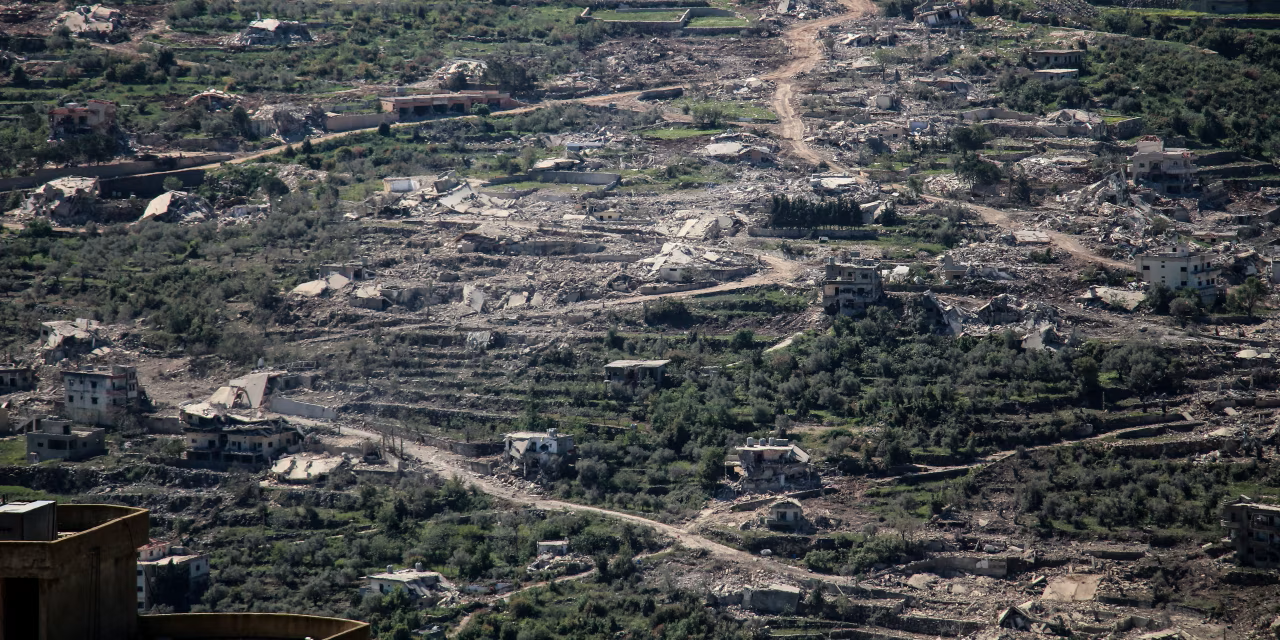
Destroyed Homes in Southern Lebanon
Animal Protection NGOs and Individual Rescuers
Lebanese animal welfare organizations have stepped in to mitigate this suffering. Animals Lebanon, in partnership with FOUR PAWS International, has rescued trapped animals, reunited companion animals with displaced families, and provided temporary care for those separated during evacuations. “We found cats hiding under collapsed buildings, terrified and starving,” said Jason Mier, executive director of Animals Lebanon, in an interview with Al Jazeera. “They are victims too, but rarely acknowledged.”
Give Me A Paw, supported by the International Fund for Animal Welfare (IFAW), has delivered food and veterinary care to animals across forty-two aggression‑affected communities in South Lebanon. Their volunteers describe heartbreaking scenes of dogs waiting at the doors of destroyed homes, refusing to leave in hope their families might return.
BETA Lebanon, one of the country’s oldest rescue groups, shelters thousands of abandoned animals. “Every round of aggression brings waves of new arrivals,” a BETA spokesperson explained to Reuters. “Dogs, cats, and even horses left behind in villages, injured, traumatized, and in need of care. We do what we can, but the numbers are overwhelming.”

Alongside these organizations, individuals have emerged as unsung heroes. Kassem Haidar, a rescuer from South Lebanon, has become known for risking his life to save abandoned and injured companion animals during bombardments. Driving through destroyed villages, he enters deserted homes to retrieve animals left behind, feeds strays wandering ruined streets, and transports wounded beings to safety. “I promised myself I would not leave a single injured animal behind,” Haidar told Beirut.com. His work is self‑funded, relying on donations, yet his determination has made him a lifeline for countless dogs, cats, and farmed animals.
Alongside these organizations, individuals have emerged as unsung heroes. Kassem Haidar, a rescuer from South Lebanon, has become known for risking his life to save abandoned and injured companion animals during bombardments. Driving through destroyed villages, he enters deserted homes to retrieve animals left behind, feeds strays wandering ruined streets, and transports wounded beings to safety. “I promised myself I would not leave a single injured animal behind,” Haidar told Beirut.com. His work is self‑funded, relying on donations, yet his determination has made him a lifeline for countless dogs, cats, and farmed animals.
Equally committed is Houssein Hamze, who runs the Mashala Shelter in Nabatieh, caring for more than 200 abandoned pets and strays. Even after his own home was destroyed under airstrikes, Hamze refused to leave, treating the animals as his own children and ensuring they had food, water, and safety amid chaos. His resilience, alongside Haidar’s street‑level rescues, highlights the courage of individuals who step in where institutions cannot, showing that compassion in aggression is not only institutional but deeply personal, carried out by those who refuse to let animals suffer and die unseen.
The Forgotten Animal Casualties
Animals are rarely included in official counts of casualties, yet their suffering is undeniable. From habitats annihilated by detonations to companion animals abandoned in evacuated towns, the impact of Israeli aggression extends far beyond human communities. These losses remain largely unrecorded, even though they represent a significant dimension of the overall devastation.