

Plant-Powered Journeys: From Mediterranean Mezze to African Stews, Emirates Elevates Vegan Cuisine
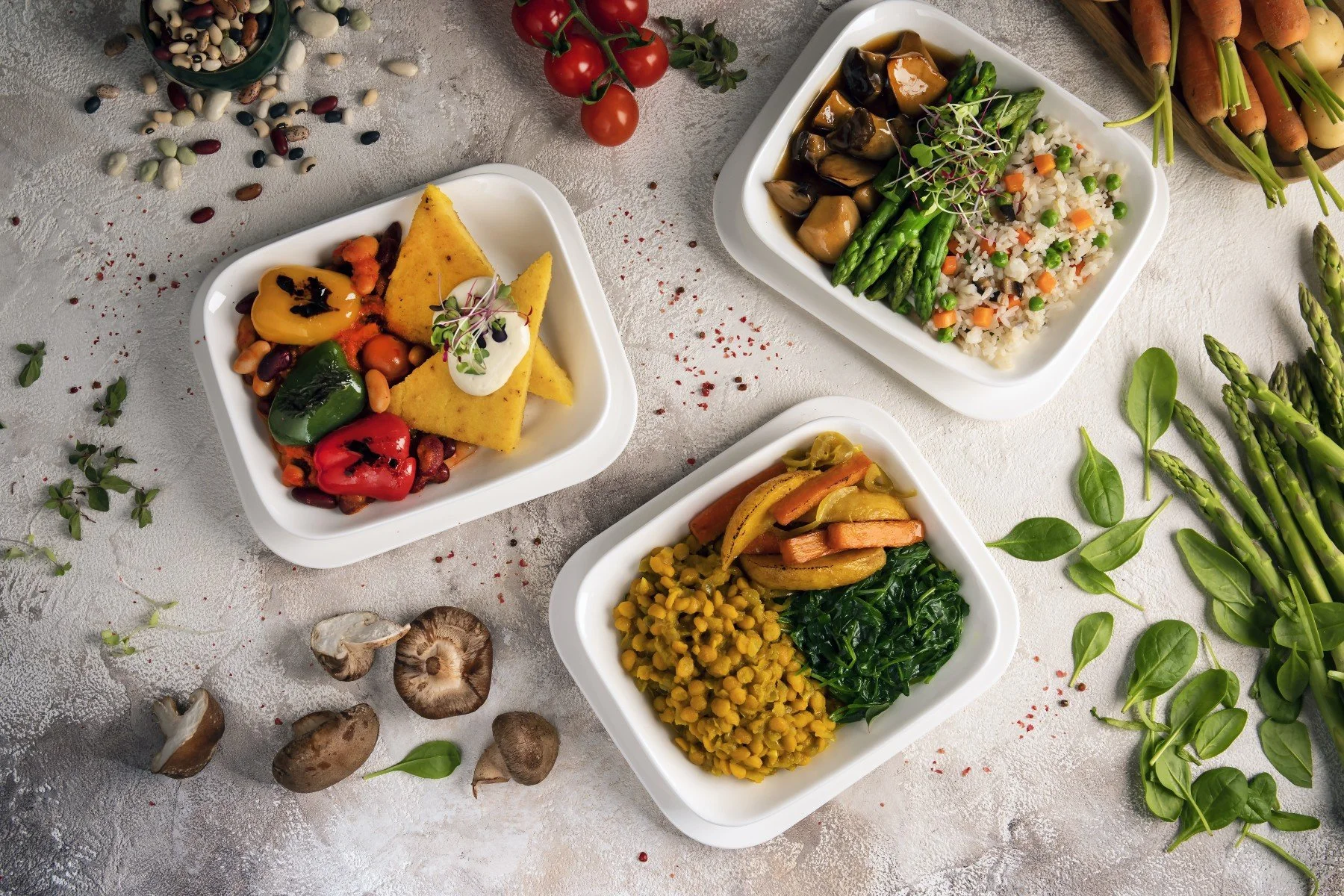
Emirates Airlines unveiled a bold new chapter in its culinary story: a move away from engineered substitutes and toward authentic, whole-food creations. The airline’s chefs are crafting dishes that feel vibrant, rooted in tradition, and unmistakably genuine.
Passengers can now savor flavors inspired by Mediterranean mezze and Levantine grain salads, Asian noodle bowls with fresh vegetables and aromatic spices, and a wide range of African stews, from chakalaka in South Africa and sukuma wiki in Kenya, to Ugandan groundnut stew, Tunisian lablabi, Senegalese thieboudienne, Ivorian attiéké, Guinean peanut stew, Egyptian koshari, and Tanzanian mchicha.
As Chef Christiaan Kamhuber explains, “We want to highlight vegetables, grains, and legumes as the heroes of the plate, rather than trying to mimic meat. It’s about celebrating authentic flavors and traditions, not substitutes.”
Echoing this vision, Doxis Bekris, Emirates Vice President of Food & Beverage Design, adds: “Our focus now is on legumes, grains, nuts, seeds, and seasonal vegetables. These ingredients offer natural depth of flavor, texture, and nutrition without relying on ultra-processed alternatives. It’s not about what’s missing, it’s about what is gained in authenticity, flavor, and creativity.”
Global Inspiration, Local Resonance
The menus draw inspiration from cultures that have long celebrated plants at the center of the table. This isn’t a trend, it’s a return to culinary roots. By showcasing dishes from Africa, Asia, and the Mediterranean, Emirates positions itself as a carrier of heritage as much as of passengers.
Numbers That Tell a Story
Half a million vegan meals served annually across Africa and globally.
488 vegan recipes now in rotation across 140 destinations, a 60% increase since 2024.
Top destinations for vegan meal requests include London, Sydney, Bangkok, Melbourne, Frankfurt, and Mumbai, with growing demand across African hubs like Nairobi, Tunis, Cairo, and Dakar.
Interestingly, many non-vegan passengers are choosing plant-based meals in-flight, citing lighter digestion and freshness.
From Farm to Fork
Supporting this philosophy, Emirates sources fresh produce from Bustanica, the world’s largest hydroponic vertical farm. Leafy greens like arugula, spinach, and mixed salad greens are grown pesticide-free and delivered directly to catering facilities. This ensures freshness while aligning with sustainability goals.
A Taste Across Classes
Economy Class: Pumpkin frittata, spinach cannelloni, vegan chocolate mousse cake.
Premium Economy: Kimchi fried rice, coconut cake with pineapple compote.
Business Class: Braised mushrooms in five-spice soy, coconut panna cotta.
First Class: Pumpkin and barley risotto, strawberry tart with pistachios, sticky date pudding with salted caramel.
Lounges: Baharat-spiced kofta, amaranth porridge, and the signature Emirates Green Burger.
Emirates’ shift reflects a broader hospitality movement: a celebration of plants not as substitutes, but as authentic culinary experiences. For travelers, this isn’t about compromise, it’s about discovery. Each dish tells a story of tradition, sustainability, and creativity, offering passengers a taste of cultures where plants have always been the centerpiece.