


MEA Vegan Baking Ingredients Rise 66% by 2035, Egg Replacers at the Forefront
The vegan baking ingredients market in the Middle East & Africa (MEA) is forecast to expand from USD 25.5 million in 2025 to USD 42.3 million by 2035, marking a 65.9% increase at a CAGR of 5.2%. At the forefront of this expansion are egg replacers & binders, projected as the largest product type segment, reflecting how functional performance and formulation reliability are unlocking mainstream adoption across bakery applications.

Vegan Travel Dining: A New Era for Middle Eastern Flyers
Global tourism is evolving fast, and travelers increasingly want experiences that reflect their values, with food at the center of this shift. Vegan dining is no longer a niche request; it is becoming a standard expectation across airlines and cruise lines, blending cultural authenticity with ethical and health-conscious choices. In this article we explore what travelers can expect when choosing vegan options in the sky and at sea, highlighting airlines that are leading the way, sharing insights from the latest global guide, and offering practical tips for stress-free journeys tailored to Middle Eastern travelers.
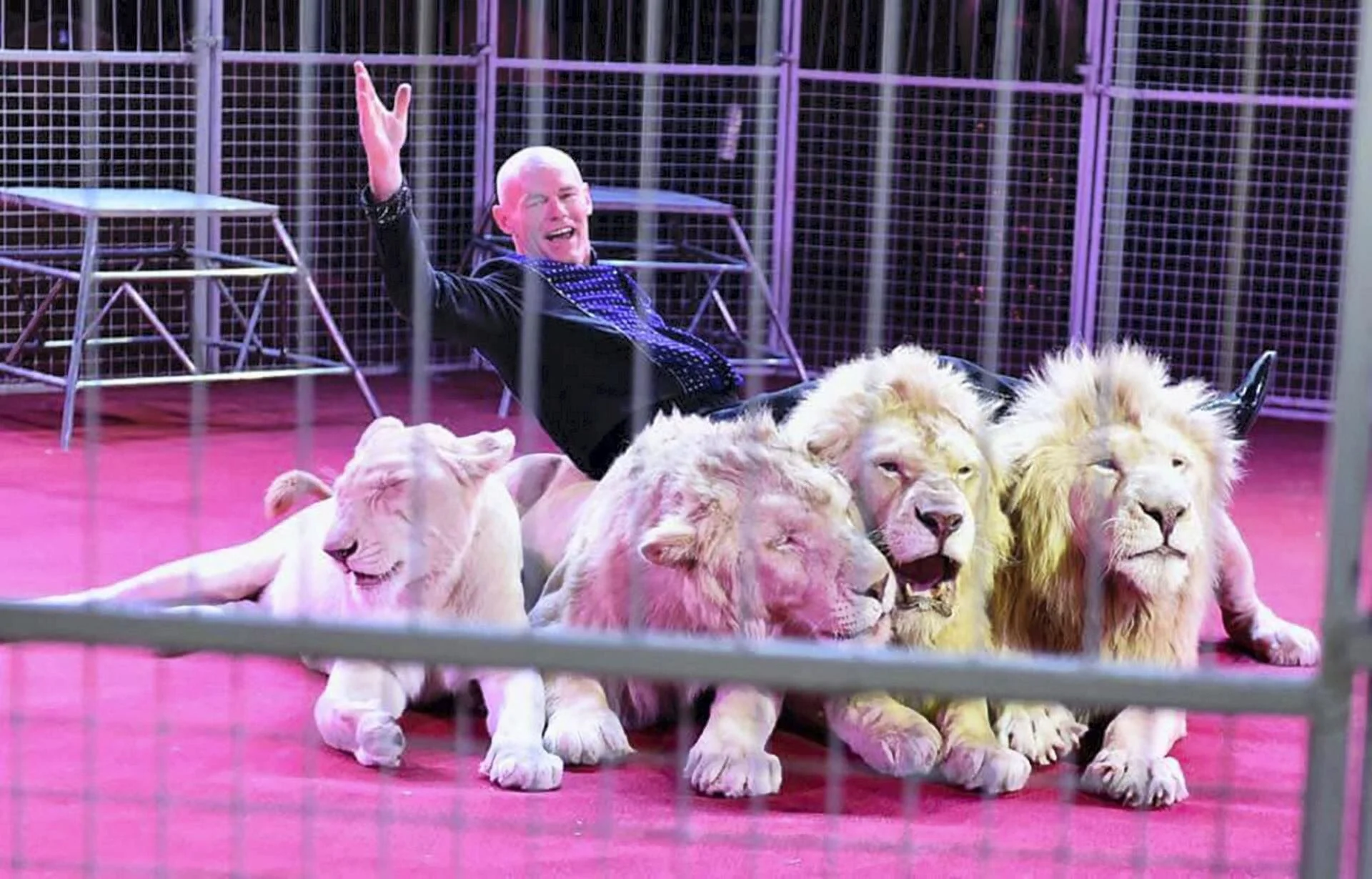
Unseen Animal Suffering of the Season: Rethinking Holiday Joy
The holidays bring families together in search of festive activities. Children are on school break, parents look for ways to create joyful memories, and communities promote outings that promise discovery and entertainment. Zoos, aquariums, circuses, farm visits, animal rides, and even pet shops are marketed as wholesome experiences, places where children can “learn about animals,” enjoy a spectacle, or receive a “special gift.” Yet industries built on animal exploitation intensify their efforts during this season, carefully staging what looks like joy at the expense of animals’ wellbeing.

Surviving and Thriving During the Holiday Season as a Vegan in the Middle East
The holiday season across the Middle East is a time of warmth, family gatherings, and feast. It is also a season of social rituals: relatives surprising children with pets as gifts, families planning outings to zoos or animal shows, and communities gathering around traditions that often involve animals. For vegans, these moments can bring challenges: tables filled with traditional animal-based dishes, social expectations, and the occasional raised eyebrow. Yet this season doesn’t have to be about “survival.” With creativity, confidence, and compassion, it can become a time of joy, connection, and even advocacy.
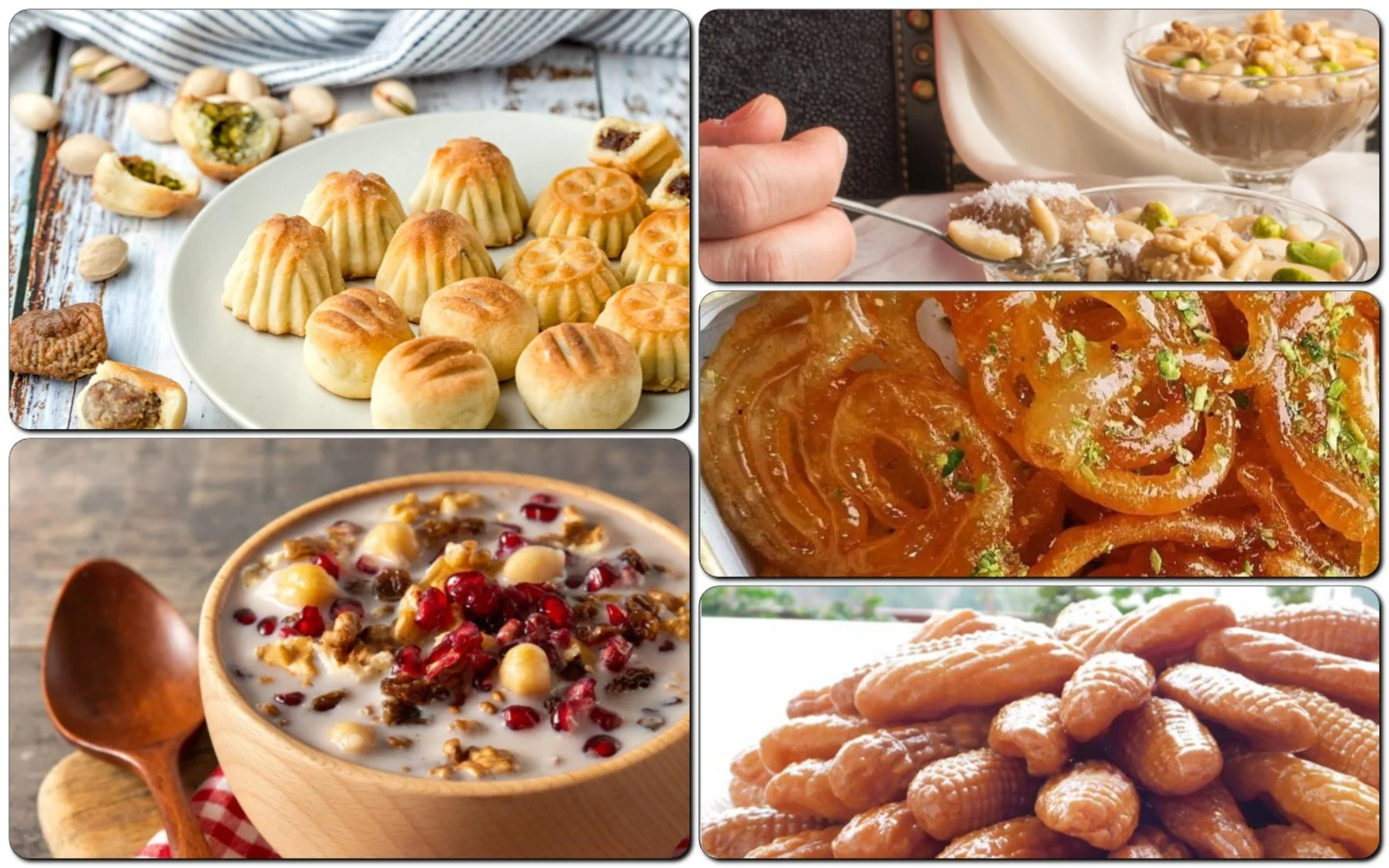
Vegan Festive Sweets: A Journey Through Middle Eastern Traditions
What do sweets mean in times of celebration? Why do certain flavors return each year, tied to rituals of joy, resilience, and hospitality? Across the Middle East, festive desserts such as Meghli, Maakaron, Qamhiyeh, Maamoul, and Zlabia are more than indulgence. They are memory, community, and continuity. They ask us: how do flavors carry stories, how do they connect us to one another, and how might they evolve when compassion guides our choices

The Pet Gift Crisis: Hidden Consequences of Animals Given as Presents
Across festive seasons and special occasions, animals are often wrapped in ribbons and presented as surprises. The gesture may appear joyful and heartwarming, yet beneath the surface lies a troubling reality. When living beings are treated as gifts, their futures are placed at risk. What begins as a moment of celebration can quickly unravel into neglect, abandonment, and overcrowded shelters, revealing the hidden consequences of turning companionship into commodity.

Another Peer‑Reviewed Study Shows Vegan Diet Outperforms Mediterranean for Weight Loss
A new study published in Frontiers in Nutrition has found that a low‑fat vegan diet leads to greater weight loss than the Mediterranean diet. Conducted by researchers at the Physicians Committee for Responsible Medicine (PCRM) in Washington, D.C., the randomized, cross‑over trial compared the two diets in overweight adults. The Mediterranean diet, which emphasizes fruits, vegetables, legumes, fish, low‑fat dairy, and olive oil, was long considered a benchmark for healthy eating. The vegan diet, by contrast, excludes all animal products and focuses on fruits, vegetables, grains, and legumes, while limiting oils and nuts. In this study, the vegan diet proved more effective for weight management.

Peer‑Reviewed Study Shows Vegan Diet Equals Mediterranean in Nutrition, Excels in Sustainability
A new peer‑reviewed study published in Frontiers in Nutrition by researchers from the University of Granada and the Spanish National Research Council (CSIC) has confirmed that a well‑planned vegan diet can be nutritionally adequate and comparable to the Mediterranean diet. Importantly, the study also highlights the vegan diet’s environmental advantages, showing that it can dramatically reduce carbon emissions, land use, and water consumption, making it both a healthy and sustainable choice.

Plant-based brand Vegan 2025 Expands Into GCC and Egypt, Valued at $500 Million
Plant-based brand Vegan 2025, now valued at 500 million dollars, is making headlines with its expansion into GCC and Egyptian markets. The company’s rapid growth reflects rising demand for halal-certified, climate-smart, and culturally resonant food choices across the region. Over the past 18 months, Vegan 2025 has achieved a tenfold increase in sales, positioning itself as one of the fastest-growing plant-based brands in the Middle East. Its valuation underscores investor confidence in the future of alternative proteins.

Global Food Week 2025 Signals a New Era of Plant-Based and Alternative Protein Innovation in the Middle East
Global Food Week 2025 in Abu Dhabi marked more than a celebration of ideas. It became a launchpad for concrete action, positioning plant-based innovation and alternative proteins at the heart of the region’s food security strategy. Leaders emphasized that cultivated proteins, fermentation-based foods, and plant-rich diets are no longer distant concepts but urgent solutions for a Middle East facing climate stress, water scarcity, and shifting consumer expectations
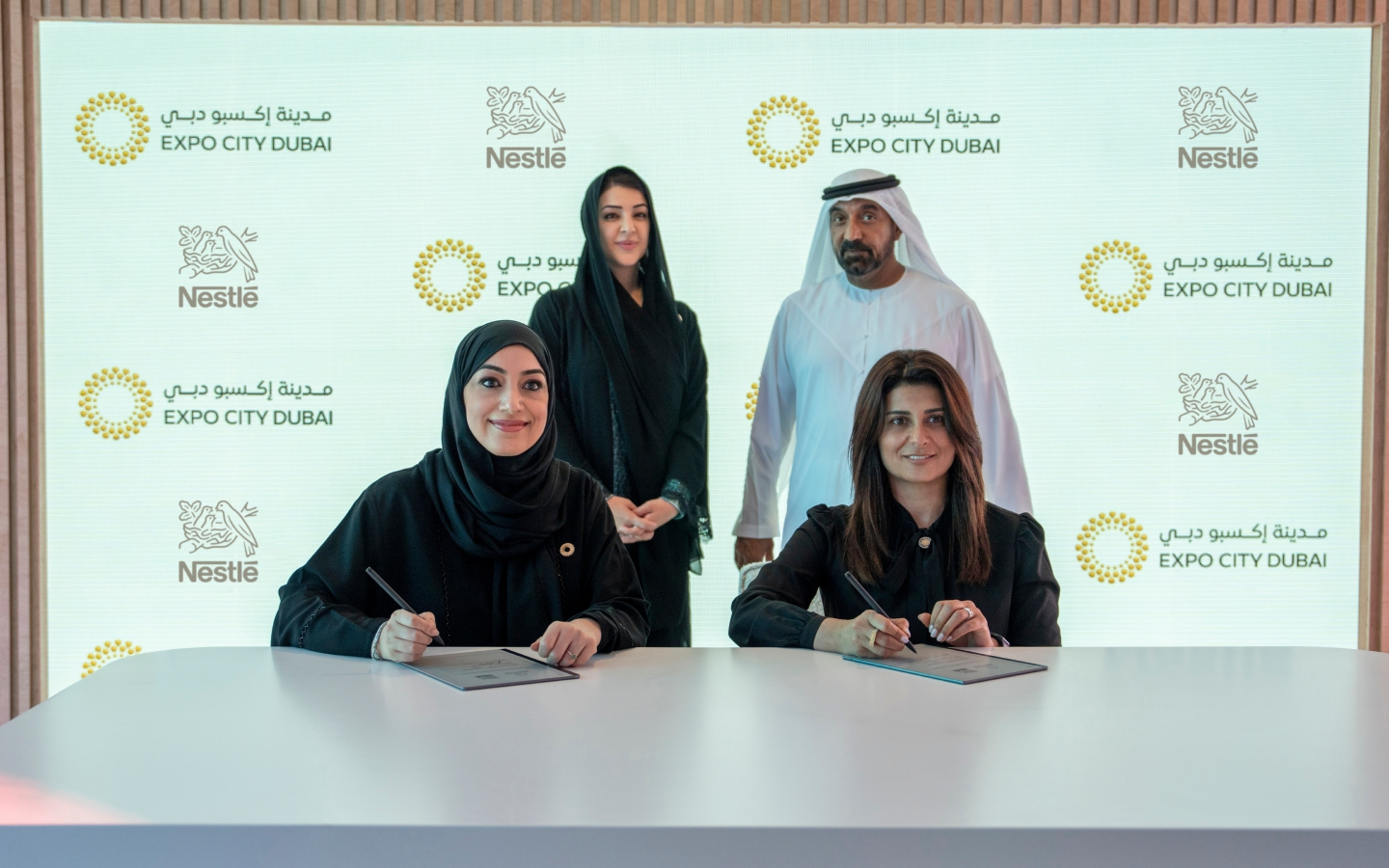
Nestlé Commits to Plant‑Based Growth; Advances Net Zero Agenda in UAE
Nestlé is relocating its Middle East and North Africa headquarters to Expo City Dubai in 2025, placing itself at the heart of the UAE’s Green Innovation District alongside organizations driving sustainability and circular economy solutions. This move aligns with Nestlé’s recent commitment to plant‑based growth, a shift that marks more than a corporate milestone. For decades, global food giants have been tied to animal‑based supply chains and practices often criticized as environmentally damaging and ethically questionable. By setting measurable plant‑based targets, participating in the FAIRR initiative, and embedding these goals into Dubai’s innovation hub, Nestlé signals that the future of food in the Middle East is turning toward sustainability, innovation, and ethical consciousness.

Ships of Suffering: 3,000 Cattle Trapped by Live Export off Turkey
For weeks, nearly 3,000 cattle have been stranded aboard the Spiridon II off Turkey’s coast. Denied entry on October 21, 2025, after veterinary inspectors discovered missing ear tags, absent electronic ID chips, and mismatched records for 469 animals, the ship has remained anchored offshore, unable to unload its cargo. On November 8–9, the vessel was briefly allowed to dock to load fodder and bedding, only to be forced back out to sea. By mid‑November, conditions had worsened: animals confined in cramped, unsanitary spaces, food and water running low, and reports of between 48 and 58 cattle dead. Many of the heifers are pregnant, raising fears of miscarriages and further suffering. Footage from the deck shows white bags believed to contain dead bodies, a haunting image of lives lost to bureaucracy and profit.

Interviewing Maya Kawas: Vegan, Fighter, Disruptor of Norms
In a region where cultural traditions and social expectations often resist ethical change, Maya Kawas stands out as a bold and unapologetic advocate for animal rights. A Lebanese vegan activist, Muay Thai fighter, and influential content creator, she uses her voice and platform to challenge inherited norms around food, strength, and morality. From martial arts tournaments to grassroots outreach, Maya confronts cultural conditioning and calls for systemic change. Her journey, from a childhood shaped by compassion to a public role in political and social advocacy, reflects a deep commitment to justice, consistency, and courage. Whether through street activism, digital campaigns, or political engagement with AlNahda, she continues to push boundaries and invite others to question what they’ve been taught to accept.

Oman’s First Plant-Based Meat Startup Prepares for Market Launch
Developed under Sultan Qaboos University’s Scientific Incubator Programme, Nabatenio blends cultural insight with nutritional science to offer a sustainable alternative to conventional meat. Led by student entrepreneur Deena Said al Kalbani, the startup has created one of Oman’s first vegan meat substitutes, now poised for commercial launch, as reported by Muscat Daily.
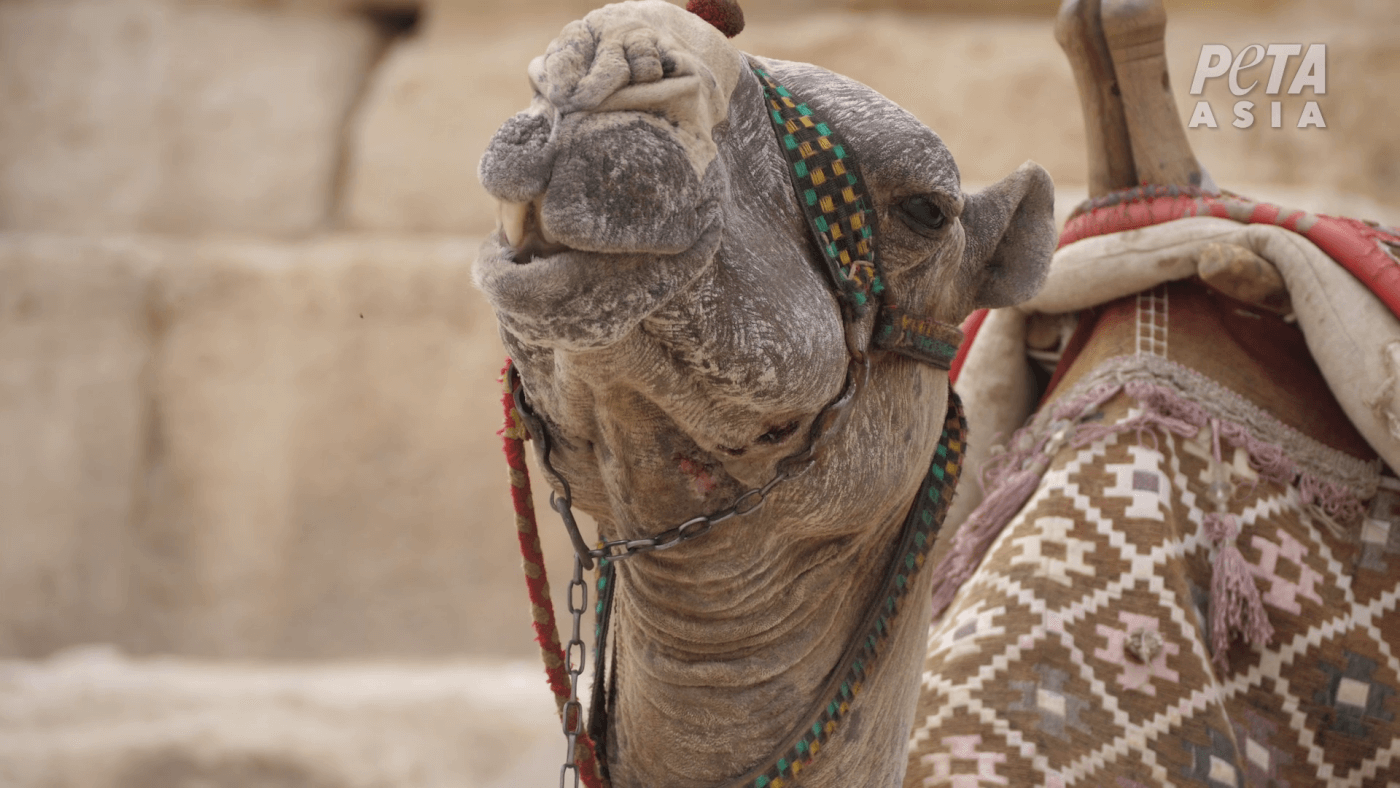
PETA Exposes the Hidden Cruelty Behind Tourist Rides as Egypt Celebrates Its Grand Museum Opening
As the Grand Egyptian Museum opens its doors to the world, inviting travelers to marvel at the legacy of ancient civilization, a quieter truth lingers just beyond the spotlight. In newly released footage, PETA Asia’s latest exposé unveils a sobering reality: camels bearing untreated wounds, horses collapsing from exhaustion, and discarded animal corpses scattered near Egypt’s iconic pyramids.

Gaza’s fallen healer: Honoring Dr. Moaz Abo Rokba’s Legacy of Relentless Animal Care
Dr. Moaz Abo Rokba, a 30-year-old veterinarian in Gaza, was known for his relentless commitment to animal care. He was one of the few professionals in the region trained to perform surgical procedures on animals including complex operations. Even after being displaced and losing his clinic, he refused to stop helping injured animals—performing surgeries in the streets, collaborating with rescue groups, and continuing his work under fire. Dr. Moaz was killed by an Israeli airstrike on the first day of the ceasefire in October 2025, while returning to Jabalia to assess damage in his neighborhood. His wife, Rania Abu al-Foul, said, “Everyone in Gaza knew Moaz was innocent. He was only trying to heal animals. And yet, they killed him.”

Global Food Week 2025 Concludes with a Bold Vision for Plant-Based Protein in the Middle East
Global Food Week 2025 has officially wrapped in Abu Dhabi, leaving behind a clear message: the future of food in the Middle East is plant-powered, sustainable, and technologically driven. With the UAE unveiling its renewed National Food Security Strategy and spotlighting plant-based and cultivated proteins, the event marked a turning point for advocates of sustainable and climate-resilient food systems.

Abu Dhabi’s Leap Toward Animal-Free Proteins: A Turning Point for Ethical Food Systems
In a region where food security and sustainability are urgent priorities, Abu Dhabi is making headlines with a bold move: partnering with precision fermentation pioneers Vivici and The Every Company to build a massive animal-free protein facility. Backed by the Abu Dhabi Investment Office, this four-million-litre plant will produce dairy and egg proteins—without cows or chickens.

NÜITREE’s Plant-Based Beverage Revolution: Expanding Ethical Nourishment Across the Middle East
In Dubai Investment City, a quiet revolution is brewing — one that could reshape how the Middle East nourishes itself. At the heart of it is plant-based milk: a symbol of ethical innovation, sustainability, and regional pride. NÜITREE, the region’s first dedicated plant-based beverage company, has partnered with SIG Group to scale production of plant-based milks and other vegan beverages across the UAE and beyond. This isn’t just industrial progress. It’s a cultural shift toward compassion, clean nutrition, and Middle Eastern leadership in ethical food systems.

Cruelty-Free and Culturally Rooted: The Vegan Cosmetics Surge in Saudi Arabia
Saudi Arabia is no longer just a consumer of global beauty trends — it’s becoming a regional leader in ethical cosmetics. According to a 2025 market report, the Saudi vegan cosmetics sector is projected to grow from USD 165.28 billion in 2024 to USD 267.98 billion by 2030, driven by a compound annual growth rate of 8.45%.