

Fava Bean Protein Market for Falafel and Mezze Records 8.9% Growth, Signaling Global Opportunities for Plant‑Based Foods
The global fava bean protein market for falafel and mezze is expanding rapidly. Industry reports project growth from USD 1.2 billion in 2026 to USD 2.8 billion by 2036, recording a compound annual growth rate of 8.9 percent. Traditional falafel protein currently holds the largest share at 38.2 percent, while quick service restaurants account for 45.3 percent of end user demand. Leading companies such as Ingredion, Roquette, Puris, AGT Food and Ingredients, Axiom Foods, and Vestkorn Milling are driving innovation in this sector.
Fava bean protein is gaining popularity because it is soy-free, non-GMO, and offers a clean flavor profile with high thermal stability. These qualities make it suitable not only for authentic Middle Eastern dishes like falafel, hummus, and mezze, but also for a wide range of plant-based foods across different cuisines. The growth of this market demonstrates how traditional ingredients can be adapted to meet the global demand for clean-label, vegan products.
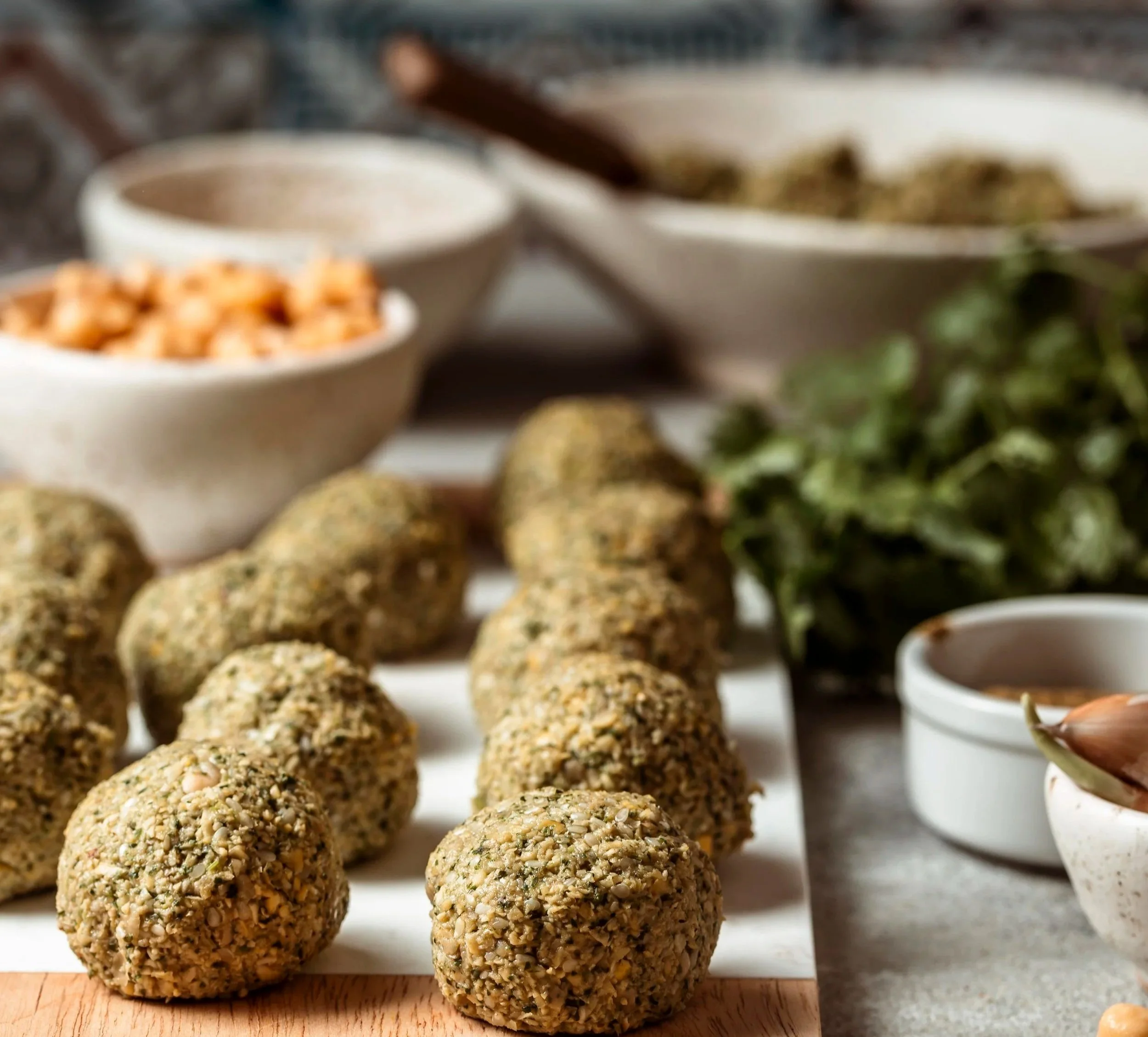
Fava beans themselves are deeply rooted in Levantine history. For centuries, they have been a staple food across the region, valued for their versatility and nutritional richness. They are naturally high in protein, fiber, and essential vitamins, making them a cornerstone of traditional diets. From ful medames in Egypt to stewed fava dishes in Lebanon and Syria, the bean has long been celebrated as both affordable and nourishing. This cultural heritage now intersects with modern innovation, as fava bean protein is refined and marketed for global plant-based applications.
Falafel and mezze serve as examples of how fava bean protein can be successfully integrated into ethnic foods. At the same time, the expansion of this market opens opportunities for producers worldwide to incorporate fava bean protein into diverse culinary contexts, from plant-based burgers and snacks to fusion dishes. For consumers, this trend represents greater access to nutritious, cruelty-free alternatives that align with the rising flexitarian and vegan movements.
The momentum behind fava bean protein shows that plant-based innovation is not limited to one region or cuisine. It is part of a global shift toward sustainable eating, and the Middle East’s traditional dishes help illustrate its potential while connecting modern demand with ancient food culture.