


Lebanon’s Dairy Campaign, Health Risks, and the Rise of Plant‑Based Alternatives
The Lebanese Ministry of Agriculture has promoted local dairy production and encouraged its consumption through national campaigns. While these initiatives have sought to boost the sector, dairy consumption in Lebanon and across the wider region nevertheless raises serious health concerns. The realities of dairy production also raise ethical questions about animal treatment that contrast with the cheerful imagery used in promotional campaigns. In light of these implications, several Lebanese producers are now offering plant‑based cheese alternatives, some of which are V‑Label certified, providing consumers with safe, transparent, and ethical options that directly address these concerns.

Research by Animetrics on Kuwait: Protecting Farm Animals and Changing Consumer Attitudes
In 2026, Animetrics published its Kuwait study as part of a regional project exploring food systems and farmed animal welfare in Muslim‑majority societies. The Kuwait report provides insight into how cultural traditions, religious values, and modern consumer attitudes shape the country’s relationship with animals and food. Meat remains a central feature of Kuwaiti identity, symbolizing generosity, hospitality, and social belonging, especially during religious and family occasions. At the same time, the research shows that many consumers, particularly younger and urban respondents, are increasingly open to plant‑based diets and alternative proteins, viewing them as healthy and aligned with global sustainability efforts.

Meat, Masculinity, and Justification: Insights from Recent Studies in Turkey
A study published in BMC Psychology in 2025 validated Turkish versions of meat‑eating justification scales, showing how individuals rationalize consumption through frameworks such as the “4Ns” (Natural, Necessary, Normal, and Nice) and linking these rationalizations to attitudes like social dominance orientation, speciesism, and masculinity. Complementing this, research conducted at Istanbul University in 2019 examined how male athletes perceive meat as indispensable to performance, reflecting entrenched ideals of strength, dominance, and virility. Taken together, these studies reveal how meat is elevated not only through structured rationalizations but also through symbolic associations, exposing the persistence of norms that reinforce its status rather than questioning its necessity.

Research Reveals the Health Benefits of Daily Chickpea & Black Bean Consumption
For centuries, the Middle East has embraced nutrient-rich foods, with chickpeas standing out as a staple. Originating in the Fertile Crescent, they’ve shaped Levantine cuisine, featuring in hummus, falafel, and hearty stews. But beyond their culinary significance, chickpeas have now gained scientific recognition for their cholesterol-lowering and inflammation-reducing properties. At the NUTRITION 2025 conference, scientists from the Illinois Institute of Technology presented findings showing that daily legume consumption—including chickpeas and black beans—can provide measurable health benefits. Their 12-week study on 72 adults with prediabetes tracked the effects of eating one cup of chickpeas, black beans, or rice per day, with striking results.
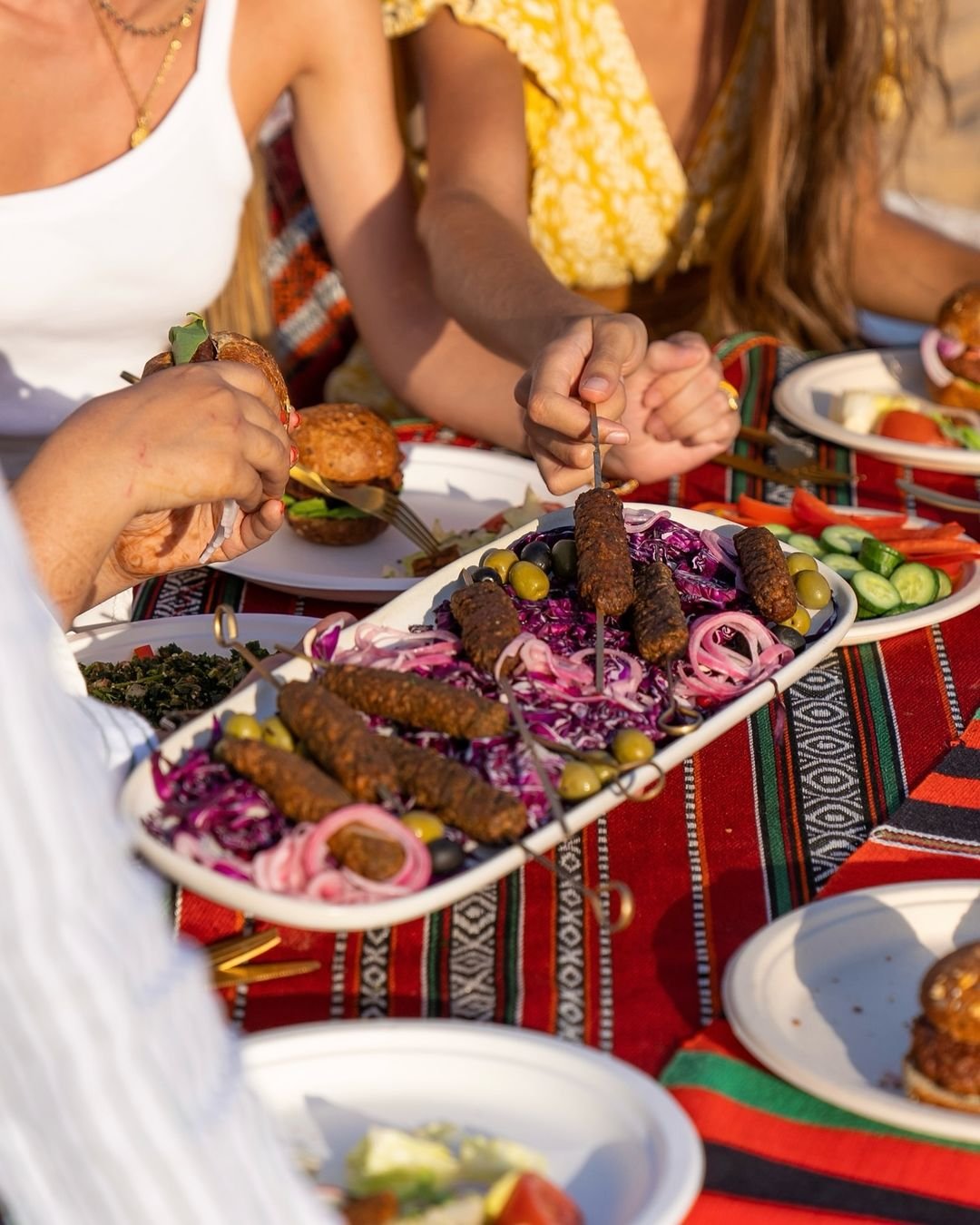
Understanding Emiratis' Willingness to Replace Meat with Alternative Proteins
Replacing animal protein with alternative sources is gaining popularity for creating sustainable food systems and reducing greenhouse gas emissions. Understanding consumers' views on alternative proteins in the UAE is crucial for widespread adoption. This study investigates the influence of dietary habits, objective knowledge, attitudes, subjective norms, and perceived behavioral control on the willingness to replace meat with alternatives among Emiratis in the UAE. Further, the factors that drive this willingness are explored.