

Captivity Under Scrutiny: Reports of Neglect and Rescue in Zoos Across the Middle East and North Africa
Across the Middle East and North Africa, zoos and circuses have long been presented as places of leisure, education, or cultural tradition. From Gaza’s Rafah Zoo to Egypt’s Giza Zoo, from Lebanon’s roadside collections to Riyadh Zoo in Saudi Arabia, and from Al Ain Zoo in the UAE to Rabat Zoo in Morocco, these institutions are part of the region’s history. Yet recent rescues and investigations reveal a different reality: lions starving in Gaza, cubs like Sara suffering neglect in Lebanon, fatal attacks in Egyptian zoos and circuses, and disturbing reports during Giza Zoo’s 2026 reopening. These cases show that captivity itself creates harm, regardless of modernization or welfare claims, and that rescue remains the only meaningful response.
Gaza
The Rafah Zoo in Gaza became a symbol of suffering during years of conflict. Lions were photographed barely able to lift their heads, their ribs protruding, with one described as “barely looking up.” Monkeys clung to rusted bars, and birds were kept in filthy cages without veterinary care. The zoo’s owner admitted that feeding the animals had become nearly impossible due to shortages and destruction caused by bombings. Some lions were eventually evacuated to Jordan’s Al Ma’wa sanctuary, where they received treatment and space to recover. Others died in captivity, underscoring how war magnifies the cruelty of zoos and leaves animals as forgotten victims.

Lebanon
Lebanon’s roadside zoos have revealed disturbing neglect. Lions chained in cages and bears displayed outside restaurants were common sights until rescues intervened. In 2019, three lions from a private zoo in southern Lebanon were flown to South Africa’s Born Free sanctuary, highlighting the scale of abuse in unlicensed facilities.
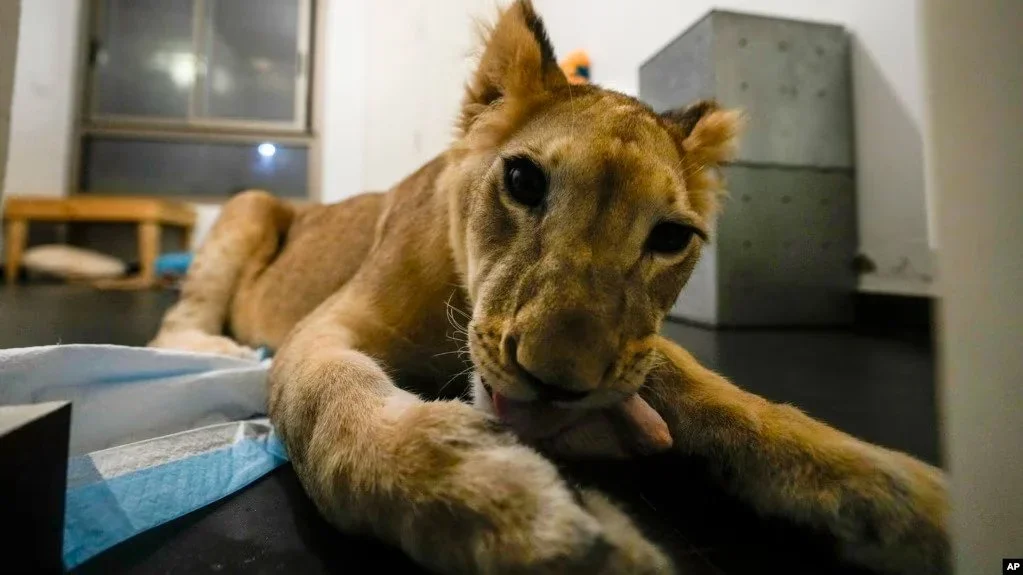
One of the most documented cases is Sara, a lion cub born in captivity in Lebanon. She was kept in a small cage, malnourished, and exposed to neglect and instability. Through the efforts of Animals Lebanon, Sara was confiscated and prepared for relocation to a sanctuary abroad, where she could finally receive proper care. Her journey illustrates how individual rescues expose systemic problems: private collections and roadside zoos continue to operate under poor conditions, and animals only find relief when removed from captivity.
Egypt
Egypt’s zoos and circuses have faced repeated criticism for poor welfare and dangerous practices. Giza Zoo, founded in 1891, has long struggled with outdated enclosures. During its modernization program, reports of animal deaths and incinerations sparked outrage. In 2026, its reopening was overshadowed by disturbing reports: chimpanzees distressed by construction noise, alleged killings of lions and other big cats, mishandling of carcasses, and neglected cages still in use.
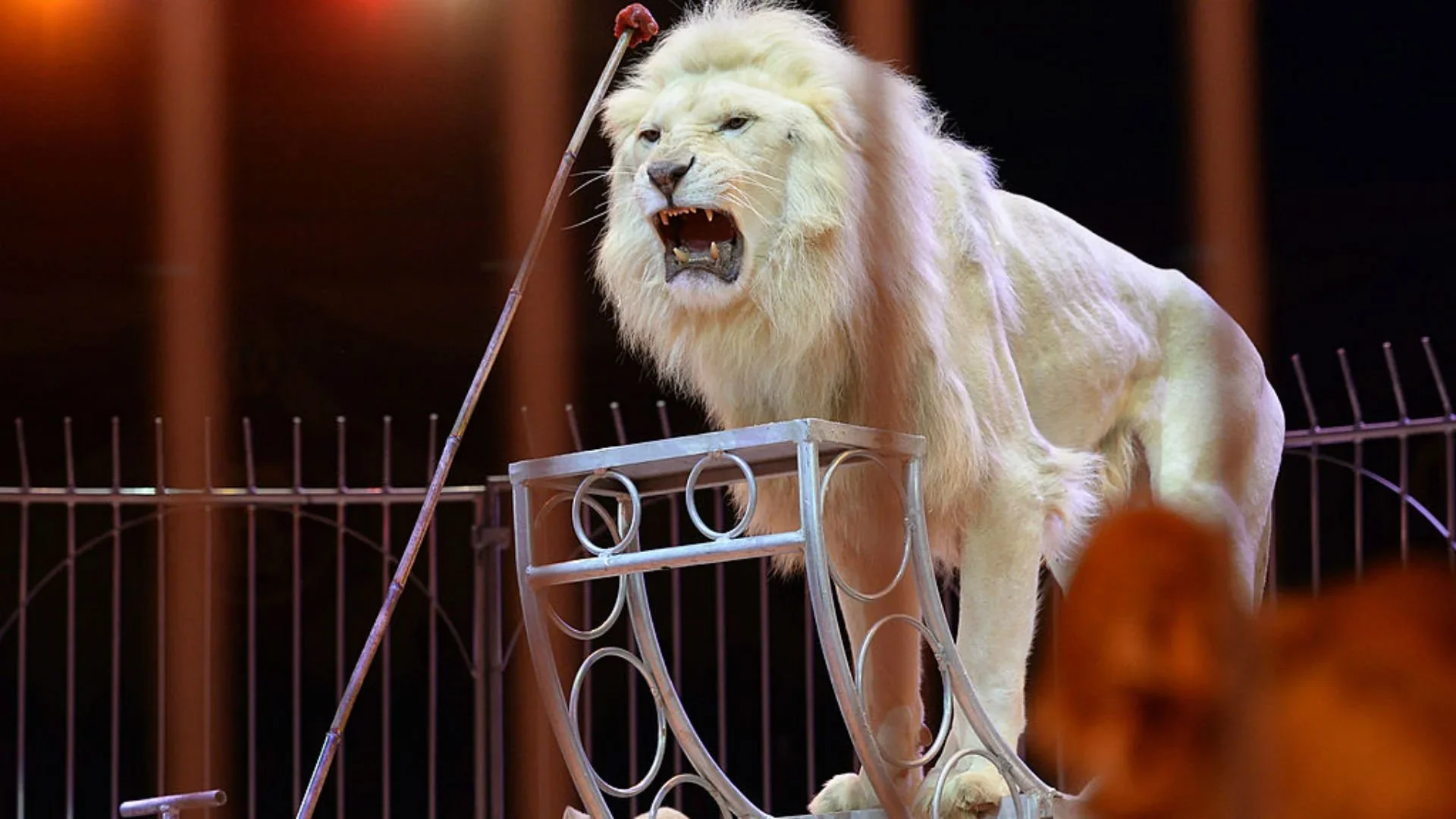
Other facilities have also faced scrutiny. Alexandria Zoo has been criticized for overcrowding and poor welfare standards, while Africa Safari Park near Cairo markets captivity as “safari.” In February 2025, a zookeeper at Fayoum Zoo was fatally mauled by a lion. Two months later, in April 2025, a lion attacked its trainer at the National Circus in Tanta, leading to an arm amputation. These incidents underline the risks of forcing wild animals into unnatural roles.
Animal rights groups, including the Egyptian Society for Animal Rights, have condemned abusive training methods and inadequate safety measures. Campaigns have called for a nationwide ban on the use of wild animals in circuses and zoos, aligning Egypt with global trends in countries that have already outlawed such practices.
Gulf
In the Gulf, Dubai Safari Park absorbed confiscated animals and invested in climate‑controlled habitats, but it remains a zoo attraction. Al Ain Zoo in Abu Dhabi houses thousands of animals, while Emirates Park Zoo continues to operate as a family destination. These facilities highlight the tension between welfare improvements and the persistence of captivity.
Saudi Arabia
Saudi Arabia’s Riyadh Zoo and Taif Zoo still function as traditional zoos. Alongside them, conservation centers such as Shaybah and the Arabian Leopard Breeding Centre have focused on species protection. In 2024, the breeding centre celebrated the rare birth of triplets, a success for the critically endangered Arabian leopard. These efforts show that conservation can exist, but they also underline that zoos remain places of confinement.
North Africa
In North Africa, Rabat Zoo in Morocco and Tunis Zoo in Tunisia both serve as major urban zoos, but have faced criticism for welfare standards. Friguia Park in Tunisia markets itself as semi‑safari yet still relies on captive displays. Tripoli Zoo in Libya, once a major attraction, has struggled due to conflict. Algeria’s Zoo de Ben Aknoun remains one of the largest in the region, though welfare conditions vary. National parks such as Souss‑Massa in Morocco and Bouhedma in Tunisia have played a role in housing confiscated animals, combining conservation with rehabilitation.
Conclusion
The stories from Gaza, Lebanon, Egypt, and beyond make one truth clear: animals in zoos and circuses suffer, and humans are also placed at risk when wild animals are forced into unnatural roles. Whether it is lions barely surviving in Rafah, Sara’s journey from a Lebanese cage to safety, or the tragedies at Fayoum Zoo and the National Circus in Tanta, each case demonstrates that captivity cannot be justified. Even when authorities promise modernization, as in Giza Zoo’s reopening, the evidence shows distress, neglect, and exploitation. The lesson is simple: animals thrive only when removed from cages. Sanctuaries and conservation programs outside captivity offer genuine care and protection, while zoos remain relics of cruelty that should be left behind.