

What Travelers Should Know: Spotting Exploitation and Choosing Alternatives in the Middle East
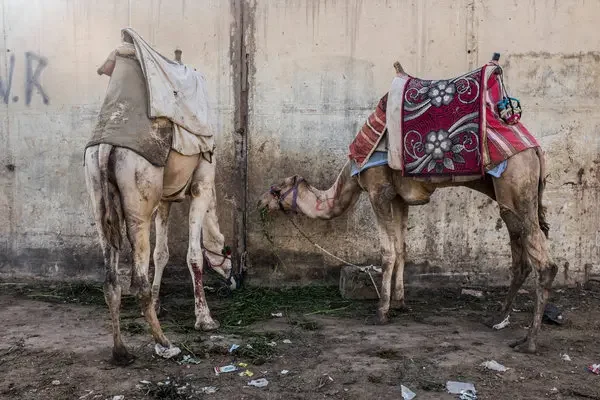
Travel often arrives as a promise: to witness history, to meet new people, to feel the scale of places that shaped human stories. Across the Middle East, that promise can be complicated by scenes many visitors find hard to reconcile with the wonder of monuments, deserts, and coasts. At archaeological sites, desert safaris, coastal resorts, and urban promenades, animals frequently appear as part of the visitor experience, with working equids carrying people up steep paths, camels posed for photographs, dolphins performing in tanks, and animals presented for staged photos. Investigations and reports from animal‑welfare organizations, including high‑profile exposés by groups such as PETA alongside local advocates and international media, have documented animals showing signs of exhaustion, untreated injuries, and chronic neglect: bodies and behavior reveal long hours, inadequate rest, and stress from repeated handling and confinement.
Vegan and Animal Rights Advocate James Cromwell Urges Egypt to End Cruelty to Camels and Horses at Pyramids
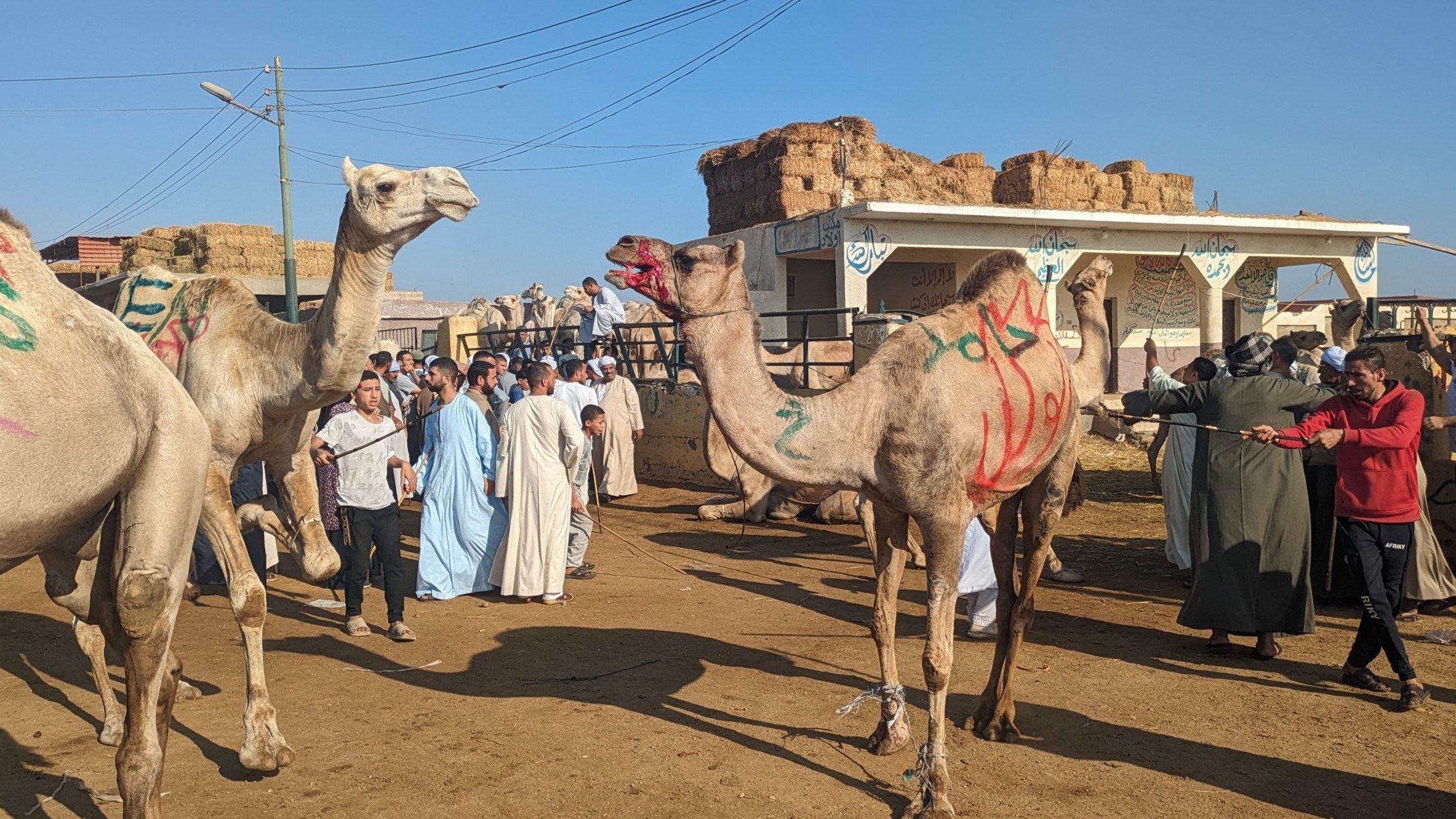
Renowned actor, vegan, and animal rights advocate James Cromwell has written an urgent letter to Egypt's tourism and antiquities minister, Sherif Fathy, urging him to stop the widespread mistreatment of camels and horses forced to carry tourists at the pyramids in extreme heat.

In Egypt, horses and camels are abused while officials do nothing. Take Action Now!
It has been years since the Ministry of Tourism and Antiquities and the Giza Governorate agreed to prohibit rides. Following PETA Asia's exposé few months ago, they repeated that promise - in the haziest language possible - yet nothing has changed.
Please help end this cruelty by pushing officials to prohibit animal rides at Egypt's most popular tourist attractions.