

Interview with Yal Solan and Samer Beyhum, the creative duo behind Alternative Kitchen
We recently had the chance to interview Yal Solan and Samer Beyhum, the creative duo behind Alternative Kitchen.Yal, a Lebanese singer‑songwriter, multidisciplinary artist, and vegan activist, and Samer, a filmmaker, educator, and vegan chef, co‑founded this platform to highlight Levantine cuisine through plant‑based recipes, giving a nod back to our culture while carrying the environmental and ethical advocacy it represents. Together, they use recipes, podcasts with guests, and live cooking events to make vegan living accessible and culturally rooted, while also tackling broader issues such as consumerism, gender dynamics, and environmental justice. In this interview, they share how their journeys and creativity converge to position food as a cultural and ethical statement, a silent rebellion that challenges traditions, opens new paths for compassion and justice, and inspires a shift toward a kinder, more sustainable future.
1- What inspired you both to create Alternative Kitchen, and how do your personal journeys into veganism along with your backgrounds in art, activism, filmmaking, and education shape its mission and complement each other?
Samer: When I was a child growing up in Lebanon during the “civil” war, I once saw a beautiful sight in the middle of all the gloominess that surrounded our lives at the time: thousands of birds flying over Beirut. I looked up in awe at the sky, but my wonder was interrupted by the sound of machine guns firing indiscriminately at the migratory birds. I remember getting extremely upset and wishing that one day I could do something about it. Eventually, I became an environmental activist, but one habit I could not kick was eating animal-based food, and it weighed heavily on me. Strange how we are forced from a young age to take life for granted. Then the COVID-19 Lockdown came; we were going through an economic crisis, and imported meat was tainted and being sold at inflated prices, so I decided then and there to turn vegan and explore a new, healthy, and moral way of eating. After a few weeks, I started feeling the difference: no bloating, clearer thoughts, and I felt more energetic.
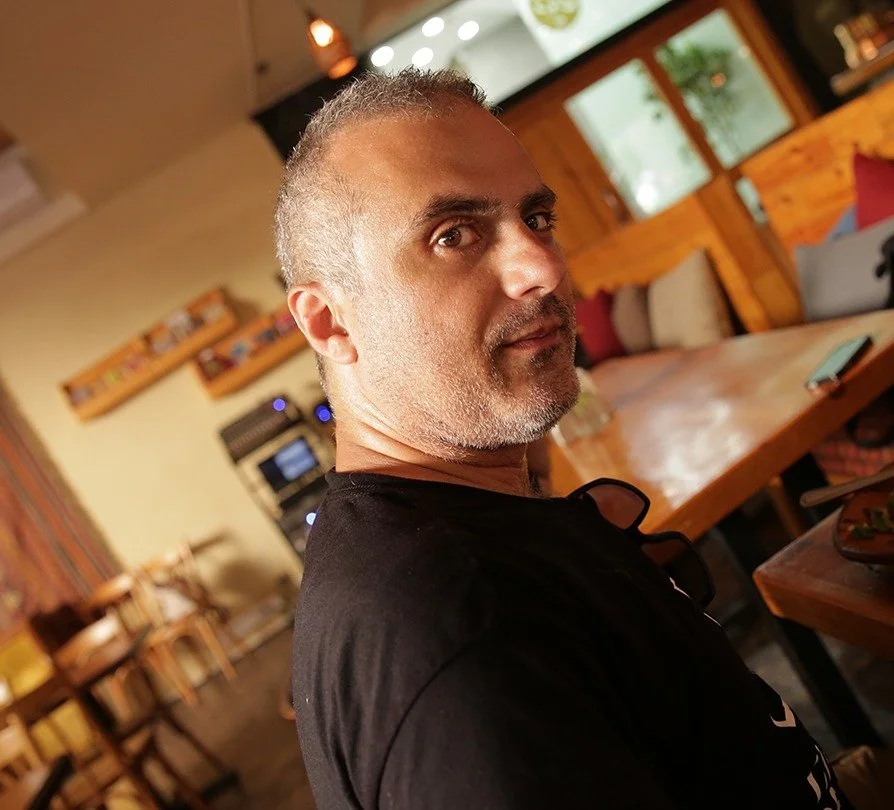
Being someone who loves to cook, I started developing my own vegan recipes and kept being encouraged by my friends to open a “restaurant,” which I did not intend to do, but then Yal convinced me to apply as a guest chef at some venues, and I did. This activity became an extension of my activism because it allowed me to have conversations with people while serving them plant-based food, and those conversations were all about dispelling the myths of being vegan.
It became very apparent to me that most people have a misconception about plant-based food, and these misconceptions stemmed from four main issues: that veganism is a foreign and Western imported idea, that vegan food is expensive and for elitists, that our cuisine is meat-based, and that veganism makes your body weak and unhealthy. All of these arguments are false, but the people making the arguments were so convinced by them that it shows how much consumerism and advertising have programmed us to take this false sense of market abundance for granted. While discussing this with Yal we decided that we needed to reach a wider audience and raise awareness. So we came up with the idea of the Alternative Kitchen to advocate for a plant-based diet through food rather than through direct and confrontational messaging. We felt it was important not to antagonize people but rather bring them to the table, have them try our food and then have a discussion about it and dispel the myths.
Yal: Couldn’t have said that better. My personal journey with veganism happened in 2017, after I took a workshop on physical and spiritual well-being (thank you, Inner Engineering!). During that workshop, I was exposed to the fact that the human body is not designed to eat dead animals, but optimally, plant-based food. Back then, I started with just quitting meat and chicken, and already experienced an amazing difference in my body, mind, and energy. Not only was it visceral, and very real, it was also scientific, having largely to do with our anatomy, physiology, and how our bodies function. It made me think how absurd it is that people go through life not being able to feel into the very bodies they live in, and stuffing them with whatever trash, torture and death advertised on screens and menus as “protein”.
And to get through the mental layers of people’s cognitive dissonance, apathy, capitalism, religious dogma - all through no fault of their own, just misconceptions passed down in history and tradition - is definitely not an easy task.
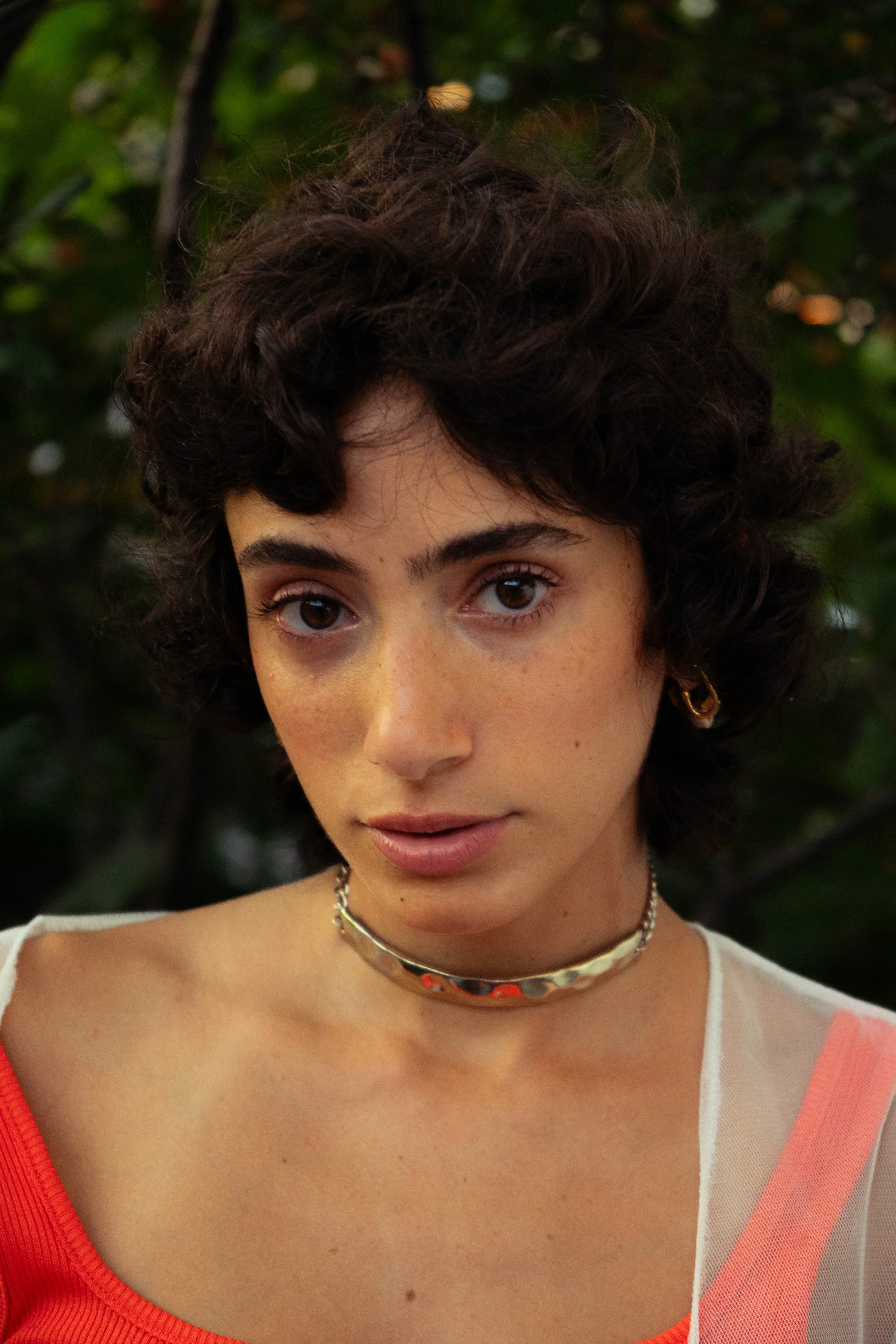
The conversation on veganism is often met with resistance, and not very fruitful (no pun intended!). But it didn’t silence the part of me that wanted to give people the chance to discover the joy of veganism, of connecting to what you eat, of knowing the power of legumes and beans and nuts and seeds (the very source of life), of feeling this good in your body, and aligning your values with the way you live your life, and being aware of the consequences of what you choose to eat, on other beings and the home we live in.
This is where the Alternative Kitchen came in. Samer already is an amazing, experienced, and creative chef, and I was looking for a cute, friendly, non-intimidating way to share the message of veganism online. And what better way than food through some fun recipes!
2- Your platform emphasizes simple, affordable recipes while also showcasing creative storytelling and production. How do you balance accessibility with creativity, divide roles between you, and what has been the most rewarding feedback from your community?
Samer: Collaboration is a form of art. When done well, it yields fruitful results. As a filmmaker and educator, I can attest to the power of collaboration by what I tell my students: A film is not made by one person alone; it takes a team to make one. Dividing the roles was easy; I would make the recipes, and Yal, who has a better sense of humour than I do, laced the recipes with humour, facts, and figures. Very early on, we decided that it would be a good idea to start with very simple things like making almond milk, which is incredibly easy and cheap to do. Why almond milk? Because during the 2019 economic collapse, store-bought almond milk prices skyrocketed and became unaffordable to most people. So we thought, let us show people how to do it better and for much less. I think one very rewarding piece of feedback for me was someone’s total disbelief that it was really that simple and cheap to make almond milk.
Yal: The way I tell this to people is Samer is the back-end of the Alternative Kitchen, and I am the front-end! His experience with cooking, filmmaking, post-production are complementary to my on-camera presence, my background in graphic design and branding strategy, knack for copywriting, social media, and a lot of puns. Even our other musical skills matched perfectly when it came to the jingle creation of Alternative Kitchen: I sang the melody for the song (composed by my bandmate Camille Feghali!), and Samer recorded and mixed the vocals and the music.
I’d agree that the most rewarding thing is people’s surprise, and joy when they discover they can make their own recipes, send us photos and tell us how yummy they turned out, and yes, how easy it is! I also love when people ask curious questions, and we become a platform where fruitful discussions happen between commentators (at least some of the time!)
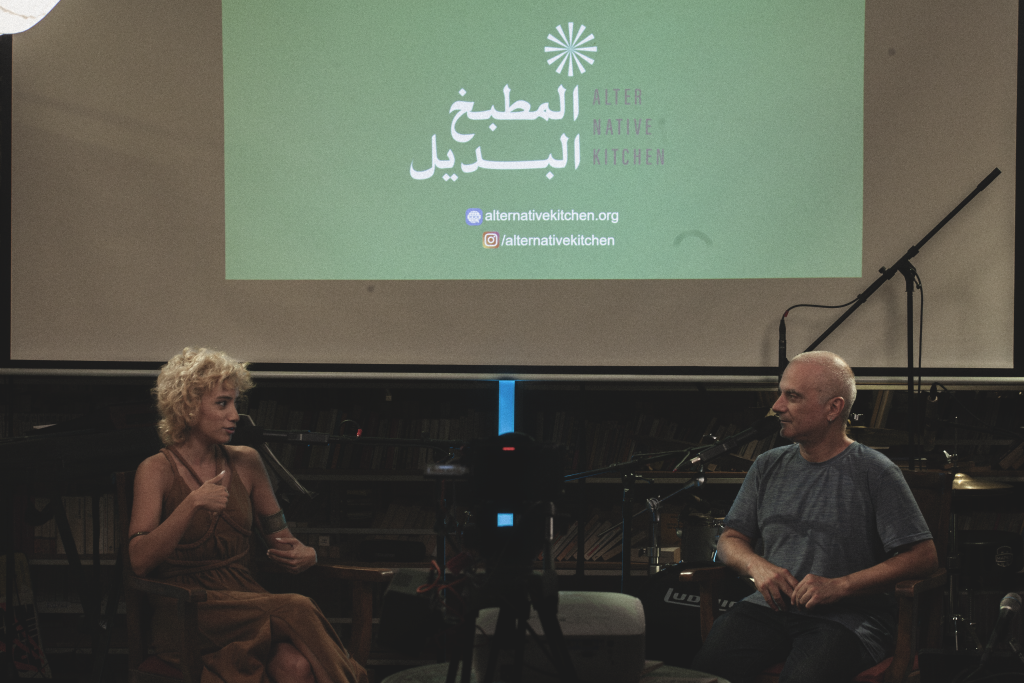
Alternative Kitchen launch party, October 2025. Photo Courtesy of adan.sm
3- You’ve linked your project to broader issues like animal rights, consumerism, toxic masculinity, and environmental justice. How do you see culinary traditions, everyday eating habits, and the way we prepare and share meals as powerful tools for cultural transformation?
Samer: We are Mediterraneans; our favourite pastime is coming together at a table to share food, and when we do that, we have conversations. Nothing brings us together as much as the dinner table. It felt natural to use that as the starting point for conversations about what we eat and especially to discuss what we are eating and why. Most people have been made to forget that our cuisine is very rich with plant-based dishes by origin and that our ancestors only ate meat on special occasions rather than as regularly as people do today. We remind people of this important fact constantly, and they have conceded this point. Then people start telling us about how they, or a friend they know, went on a vegan diet and got sick because of it and that the doctor ordered them to return to a “proper” diet. This is a gross misconception; the problem is not the plant-based diet itself but rather how we actually prepare our food, or rather not prepare it and order from some fancy niche restaurant or buy off-the-shelf ready-made plant-based food products that are optimised for sale rather than nutritional value. By the way, the same is true for non-plant-based food products; ordering out or getting ready-made food of any kind is not healthy in the long run and produces all sorts of other issues. The problem is not the plant-based diet itself but rather our fast-paced eating habits that stem from a very consumerist ideology that has convinced us that productivity equals time, and the more time we spend on food, the less time we are being productive. The consumerist solution to this: fast-food or restaurant food, which is often not balanced and not healthy, whether plant-based or not. The real solution, as evidenced by Maya Kawas, a vegan kickboxer, is to make our own nutritionally balanced food. Just like eating meat was an occasional thing our ancestors did, so was dining out. It was always a treat to eat out and not the normal thing to do.
Yal: Capitalism and consumerist habits are indeed the main part of the problem. People eat meat because that’s what’s normalized, encouraged, and available, unaware of the cost it does to their bodies in the long run, such as clogging their blood vessels and setting them up for cardiac disease, diabetes, and colon cancer, to name a few. They stick to eating animals out of convenience, and shifting to alternative diets is not made easy in the system we live in.
But if we slow down and think for a minute that when we come together to dine and share precious moments, we are feasting on tortured corpses. We eat cow flesh and her secretions during those weekend lunches with our families, making memories, unaware that we deprived a cow of her babies on the other hand. Hypocritical, no? A cow, who lost every single baby she had, and had her breasts milked so humans can perversely drink it, away from the baby who is starving for it, so we can bond with our kin on her behalf.
I once read “before you eat your food, take a moment to think about where it came from”. And that largely made me turn vegan. A fast-paced life disconnects us from the process of food - and the environmental footprint and the cruelty it took to make it - and how we are linked to the beings and Earth we live on. It “objectifies” food, instead of allowing us to build an intimate relationship with what we are letting inside our own bodies.
But back to the way we prepare and share meals, we believe the previous generations had wisdom that we lost along the way. How did they know adding lemon to lentils increases iron absorption? They grew their own food, they relied on planting the Earth in a reciprocal relationship, and they instinctively knew how to nourish themselves with simple food that doesn’t tax your energy, and without eating dead animals everyday because they’re insecure about their protein levels. There’s something extremely wrong with how we approach our food today, and a cultural awakening urgently needs to happen, because it is costing us our health, our children’s health and our planet itself.
4- How do you envision Alternative Kitchen evolving as a bilingual hub for vegan advocacy in the Middle East?
Samer: Personally, I feel that the more we grow, the more we should reach out and collaborate with other similar-minded people and organisations doing good work out there. I feel that one stumbling block we have in Lebanon is that we let our differences get in the way, and rather than working together, we work against each other. My hope is that, through the Alternative Kitchen, we do more than advocate for animal rights and compassion for them, but also advocate for unity and common cause. Because just like in filmmaking, no one can do this alone, and it takes a big multi-generational effort to make a paradigm shift in the right direction.
Yal: I definitely believe in the power of storytelling, through innovative recipes and through hosting like-minded vegan heroes in our country and region, joining forces as Samer said. I believe that slowly, the world is waking up: global warming is becoming more widespread, this generation is more aware of caring for their bodies and minds, needless cruel traditions of religion are starting to be questioned by many.. and Alternative Kitchen will already be there to support them with as many resources as possible, and (hopefully) impact those that have yet to open their eyes to the state of the world.
5- What upcoming projects or collaborations are you most excited about for Alternative Kitchen?
Samer: We have a few projects that we are already working on, which we feel will go further than just advocacy. Other than producing more podcasts with interesting individuals, we hope to launch an interesting initiative: a directory service so that people can find the contacts they need in emergency situations. We have a chat group where we occasionally get someone who just witnessed something atrocious like a box full of chicks dumped in the garbage. What happens is that by the time someone finds a number to give them to call for a complaint or support it may be too late, or too much time would have passed. The directory will serve as an instant information source that people can use with guidelines to go with it. This would also work if someone wants to report on illegal hunting or any form of animal cruelty. We also hope through this directory to convince venues to create vegan options in order to get them listed on our directory. Another project we are working on is a documentary about hunting culture in Lebanon and how that ties in with how we raise our children, especially boys, to see themselves as men. And we hope to make a few events where we pop up with some of our new recipes, such as plant-based cold cuts, roasts, suchi, and more.
Conclusion
Through their stories, Yal Solan and Samer Beyhum demonstrate that veganism is not simply about changing what we eat but about reshaping how we live, connect, and care for one another and the world around us. Alternative Kitchen stands as a testament to the power of creativity and collaboration, blending recipes, art, and activism into a movement that challenges misconceptions and opens doors to compassion. By rooting their work in Levantine traditions while addressing urgent global issues, they show that cultural transformation can begin at the table, in the choices we make every day, and in the conversations we share. Their journey is both a call to awareness and an invitation to imagine a kinder, more sustainable future.