

From Beirut, Hayek Hospital’s Vegan Vision Educates, Prevents, and Inspires the World
Hayek Hospital in Beirut, the world’s first fully vegan hospital, has become a hub for education and a living example of how healthcare can evolve beyond treating symptoms to tackling root causes. Within its walls, medicine and nutrition converge, offering not only care but also a vision of prevention and compassion. This commitment is reflected in initiatives that highlight the link between food and disease. On World Heart Day and World Day Of The Sick, the hospital reminds visitors and patients of the dangers of animal-based products. Such actions show that Hayek Hospital is not content with treating illness; it is determined to challenge its causes and inspire change.
Philosophy
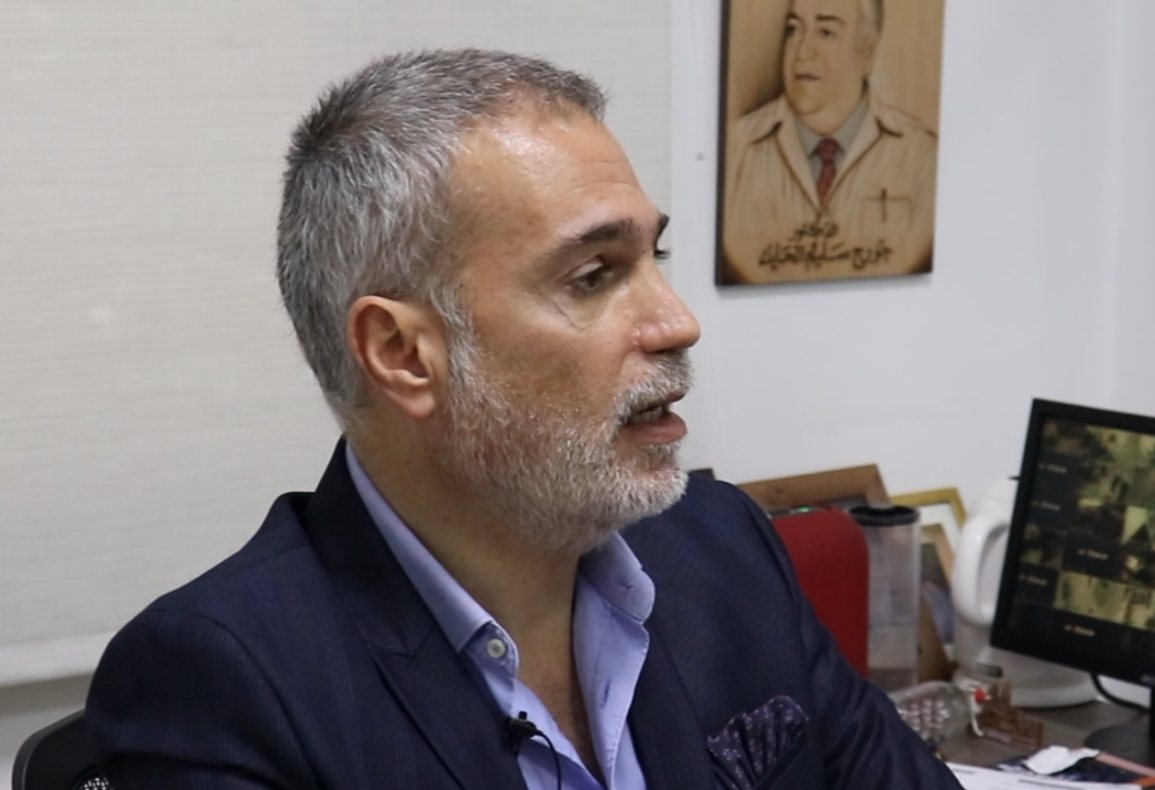
The hospital’s stance is radical yet logical. Georges Hayek, the owner, has been clear: “It is immoral and unethical to be offering carcinogenic food.”
In practice, the hospital has become a hospital that treats illness and refuses to serve its cause, a framing that captures its philosophy. This conviction has turned Hayek Hospital into a cultural center where conferences, campaigns, and daily meals all reinforce the same message: prevention is the most powerful medicine.
Conferences and Education
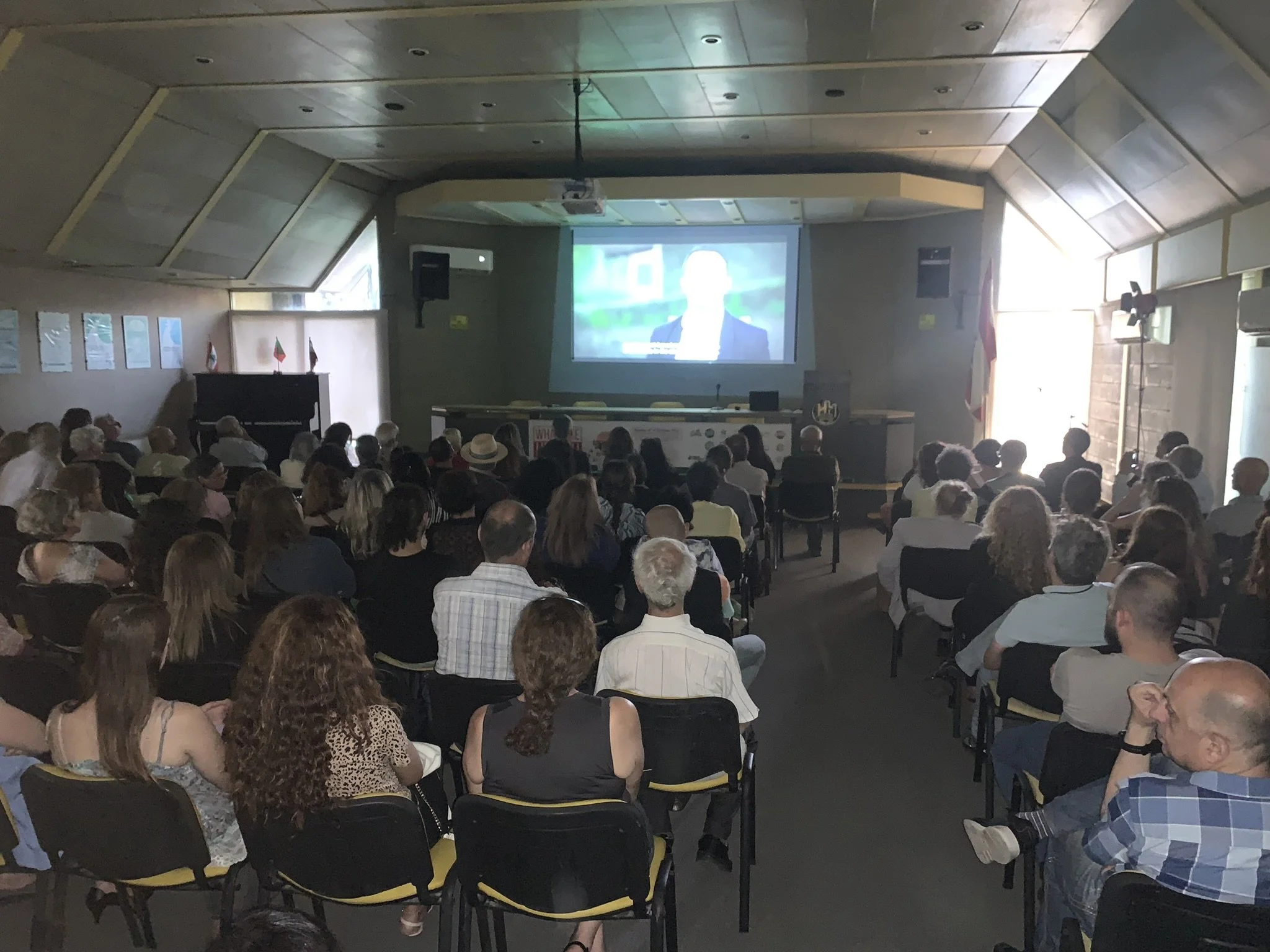
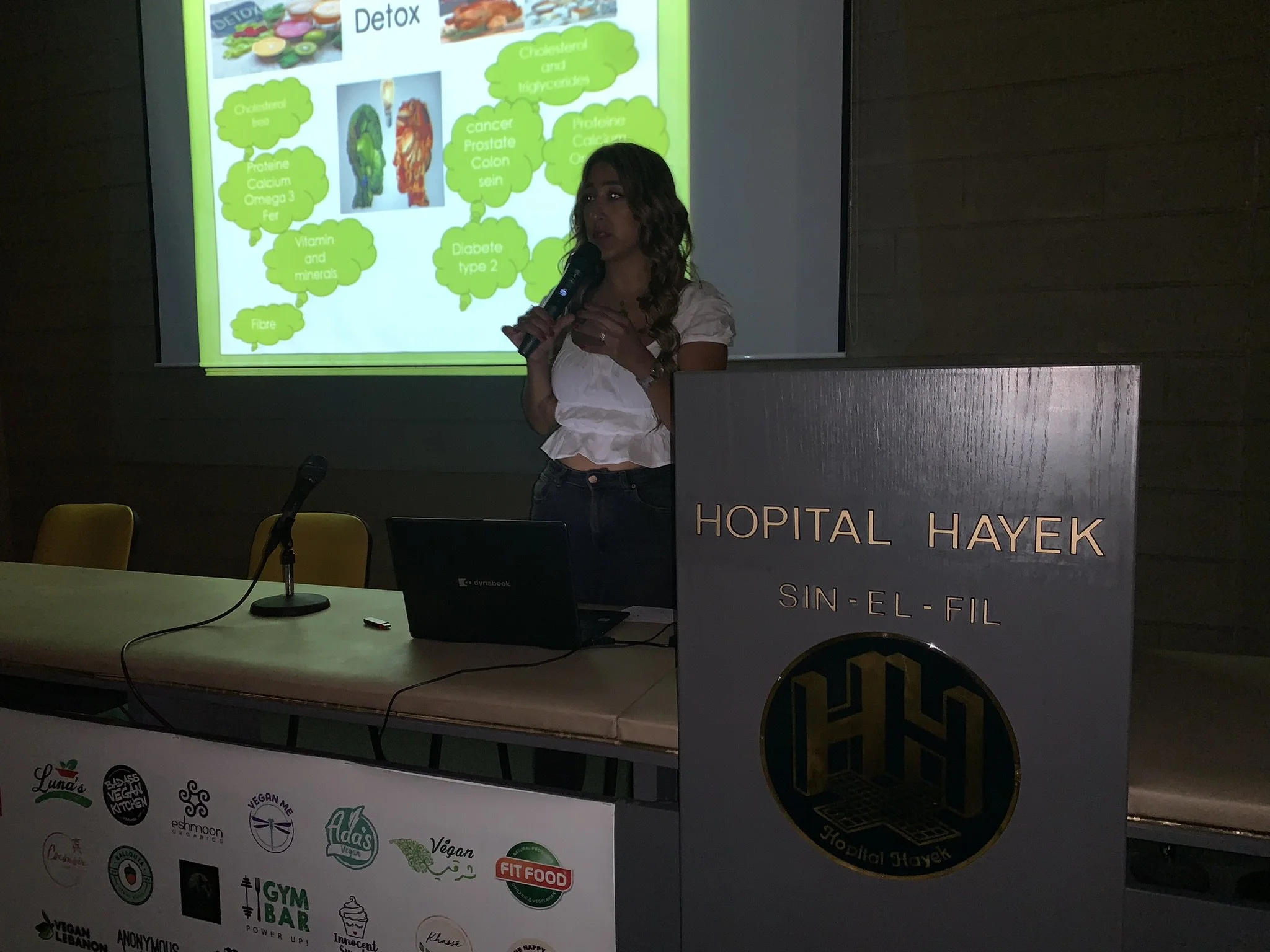
Conferences have amplified this mission. Why Vegan Conferences brought together experts, activists, and the public to discuss the ethical, environmental, and health dimensions of plant‑based living. Conferences such as The Silent Killers on Your Plate focused on how animal products contribute to chronic disease and how whole‑food, plant‑based diets can prevent and even reverse illness progression. These gatherings transformed the hospital auditorium into a stage for dialogue, education, and transformation.
Global Outreach
Georges Hayek, founder of the Lebanese Vegans NGO and owner of Hayek Hospital, has extended this message beyond Lebanon. He has participated in the European Vegan Summits and appeared in numerous international reportages and interviews, where he detailed how the hospital transitioned to being fully vegan, guided by the feedback of patients, doctors, and staff.
In interviews, he has been candid: “A lot of people ask me if I am proud of being the first vegan hospital in the world. I would be extremely happy if I know that other hospitals are copying me. My catering just removed all animal products. We exposed all the dangers, all the risks of eating meat and dairy and eggs versus the benefits of adopting a plant‑based diet. I thought it was well about time for us to evolve into not just treating symptoms but tackling the root cause of diseases and cancers.”
He adds: “I didn’t know I would be the first ever vegan hospital in the world, but it is immoral and unethical to be offering carcinogenic food. Research shows that deadly diseases and pandemics are predominantly caused by animal agriculture and the way we deal with animals. So it was logical for me to stop and remove all animal products from the hospital. This is what we all should do in a non‑vegan world. Try to push boundaries in order to reach, hopefully one day, a vegan world.”
The Vegan Cafeteria
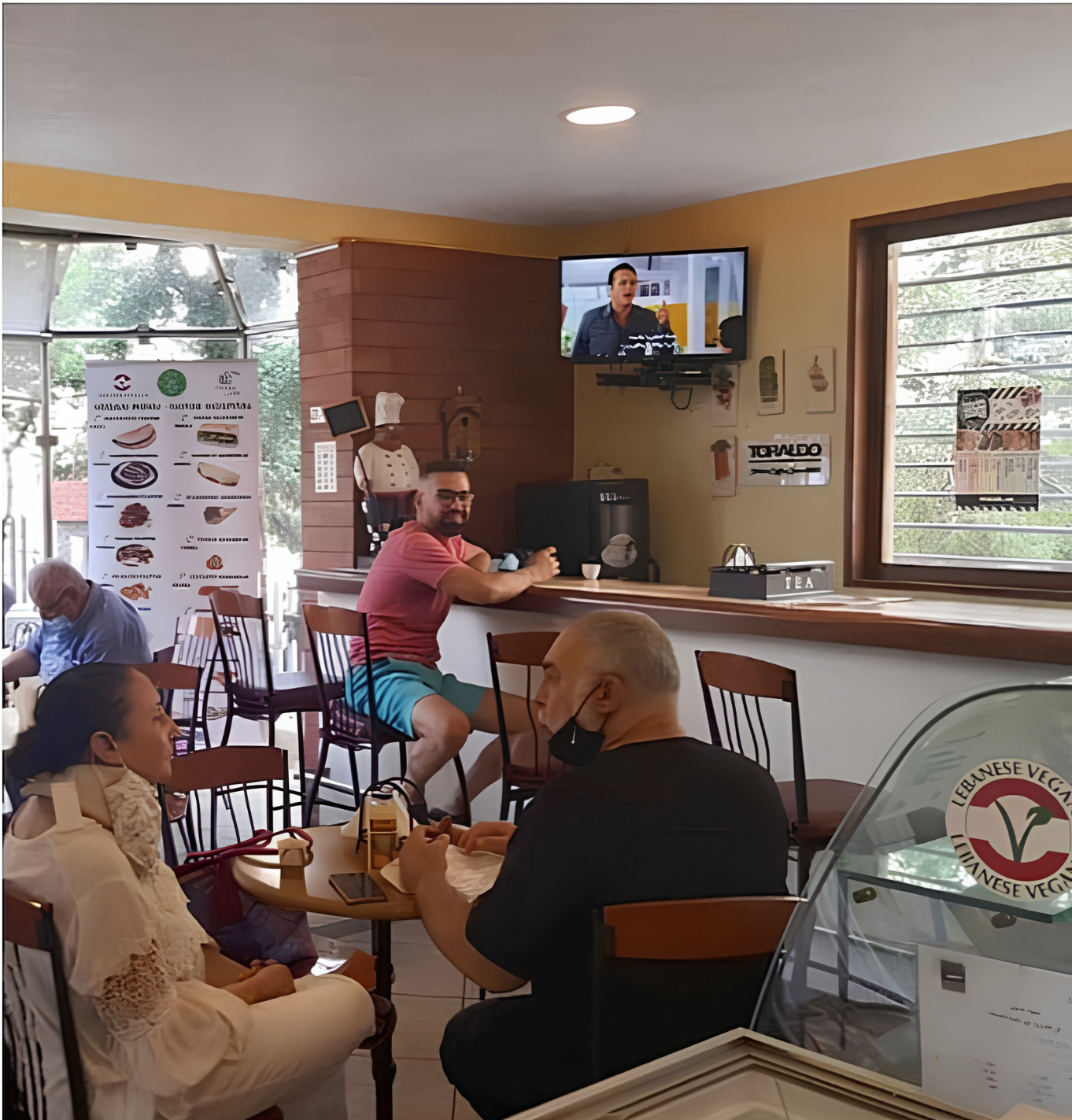
The philosophy is visible in the hospital’s cafeteria.
Here, patients, staff, and visitors discover familiar Lebanese and international dishes prepared entirely plant‑based. Mughrabiyya with chickpeas, stuffed zucchini and grape leaves, kibbeh bel sayniyeh, mujaddara, spinach with rice, potato soufflé, and ablama are served alongside salads, fruits, bread, and desserts. Each tray is complete, proving that vegan food is abundant, satisfying, and rooted in tradition.
The cafeteria is not just a dining space; it is a daily reminder that prevention begins on the plate.
Conclusion
Hayek Hospital is therefore more than a medical institution. It is a place where conferences inspire, initiatives educate, and meals embody a philosophy of prevention. It is also a symbol that healthcare can evolve when ethics and science meet on the plate. From Beirut, its vision radiates outward, proving that compassion and prevention are not luxuries but necessities. The question is no longer why Hayek Hospital turned vegan, but why other hospitals around the world are still serving carcinogenic food and fueling disease, pandemics, and environmental collapse.